Last Updated on October 4, 2026
Choosing the right pan can change the way you cook and enjoy your meals. When it comes to cookware, cast iron and stainless steel are two popular options, but which one is best for you?
Understanding the differences between these pans can help you make smarter decisions in the kitchen. Whether you want to sear a steak perfectly or whip up a quick stir-fry, knowing the strengths and weaknesses of cast iron and stainless steel will save you time, money, and frustration.
Ready to find out which pan fits your cooking style and needs? Keep reading to discover the key facts that will guide your choice.
Cast Iron Pan Features
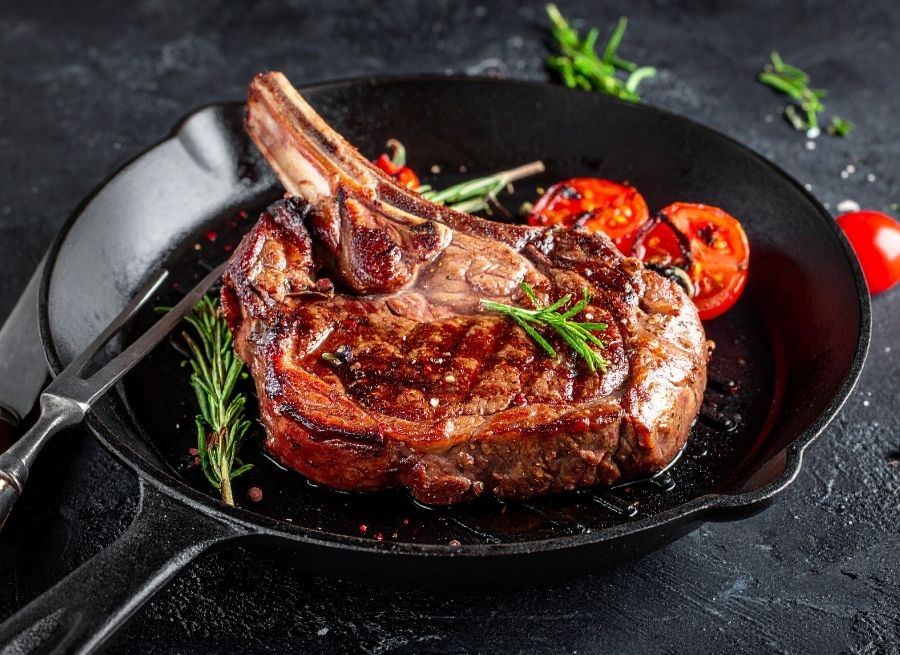
Cast iron pans have stood the test of time in kitchens worldwide. Their unique features make them a favorite for many cooks. Understanding these features helps decide if a cast iron pan fits your cooking style.
These pans offer durability and special cooking benefits. They require care but reward with excellent performance. Let’s explore what makes cast iron pans special.
Material And Construction
Cast iron pans are made from molten iron poured into molds. This process creates a thick and heavy pan. The solid construction helps it last for decades. The heavy weight gives a firm feel and stability on the stove. Cast iron is naturally non-stick when properly cared for.
Heat Retention And Distribution
Cast iron holds heat very well. It heats slowly but stays hot for a long time. This quality helps cook food evenly. The pan’s thickness spreads heat across the surface. Food cooks without hot spots or burning easily. This makes it ideal for searing and frying.
Seasoning And Maintenance
Cast iron pans need seasoning to build a non-stick surface. Seasoning means coating the pan with oil and heating it. This creates a protective layer that improves with use. Cleaning requires care to keep seasoning intact. Avoid soap and harsh scrubbing. Dry the pan completely to prevent rust. Regular seasoning keeps the pan smooth and shiny.
Read More – Top 6 Cookware Mistakes That Can Ruin Your Pots And Pans
Stainless Steel Pan Features
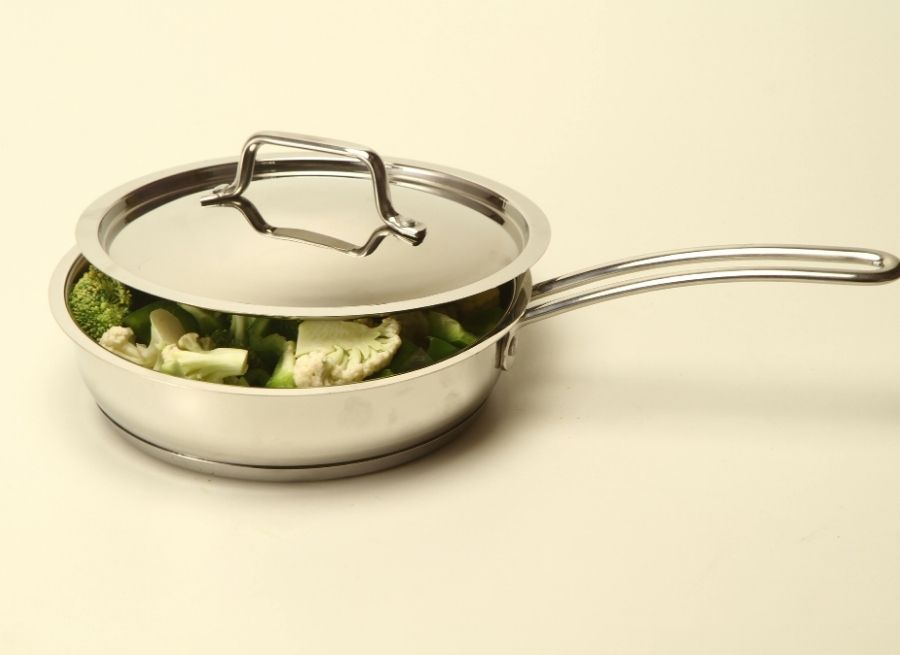
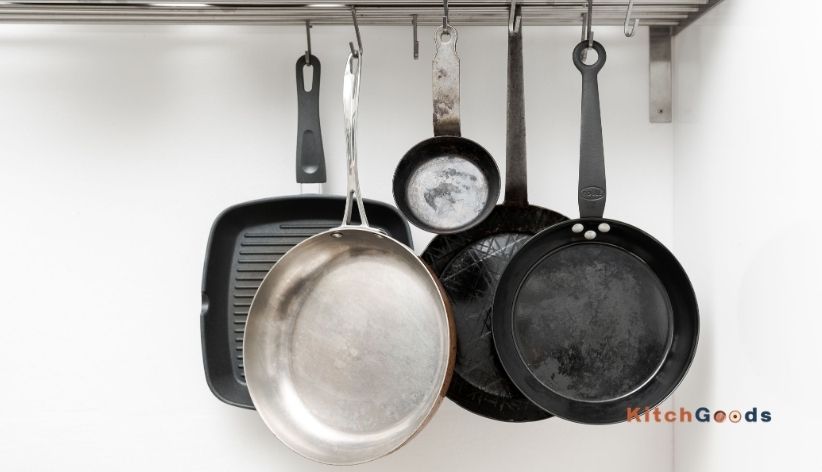
Stainless steel pans are a popular choice for many kitchens. They offer a balance of strength and style. Understanding their features helps in picking the right pan. These pans come with benefits that suit various cooking needs.
Here are the main features of stainless steel pans.
Material And Design
Stainless steel pans are made from a mix of steel and chromium. This mix prevents rust and gives a shiny surface. The design usually includes a flat bottom and tall sides. Some pans have an aluminum or copper core inside for better heat spread. The handles are often riveted for strength.
Heat Conductivity
Stainless steel alone does not conduct heat well. The core made of aluminum or copper improves this. It helps heat spread evenly across the pan. This stops hot spots and burns on food. Good heat conductivity means better cooking control. It works well for searing, frying, and sautéing.
Durability And Care
These pans are tough and resist scratches and dents. They can last many years with proper care. Cleaning usually needs just warm water and mild soap. Avoid harsh scrubbers that can dull the surface. Stainless steel pans can handle high oven temperatures. They do not react with acidic or alkaline foods.
Read More – How to Clean Burnt Pans Without Damaging Them
Cooking Performance Comparison
Choosing the right pan affects how your food cooks. Cast iron and stainless steel each have strengths. This section compares their cooking performance. It covers searing, browning, non-stick abilities, and versatility.
Searing And Browning
Cast iron heats evenly and holds heat well. It creates a strong sear and deep browning on meats. Stainless steel heats quickly and responds fast to temperature changes. It can also sear well but may need more attention to avoid hot spots.
Non-stick Capabilities
Cast iron pans develop a natural non-stick surface over time with seasoning. This makes them great for cooking eggs or pancakes without sticking. Stainless steel pans are not naturally non-stick. They require proper preheating and oil to reduce sticking.
Versatility In Cooking
Cast iron works well on the stove, in the oven, and even over a campfire. It suits slow cooking, frying, and baking. Stainless steel pans are excellent for sautéing, boiling, and making sauces. They handle acidic foods better than cast iron.
Health And Safety Considerations
Choosing between cast iron and stainless steel pans involves thinking about health and safety. Both materials have unique risks and benefits. Understanding these can help you pick the right pan for your kitchen.
Chemical Reactions And Coatings
Cast iron pans can release small amounts of iron into food. This can be helpful for people with low iron levels. Acidic foods like tomatoes may react with cast iron, changing taste and color.
Stainless steel pans do not react with food easily. They are usually coated or polished to prevent rust. Some non-stick coatings on stainless steel may release chemicals if overheated. Choose pans with safe, tested coatings.
Allergen Concerns
Cast iron and stainless steel are generally safe for people with allergies. Neither pan contains gluten or common allergens. Some stainless steel alloys have nickel, which can cause reactions in sensitive individuals. Check the material if you have metal allergies.
Cleaning And Hygiene
Cast iron pans need special care to avoid rust and maintain seasoning. Clean with a brush or cloth; avoid soap. Dry thoroughly after washing.
Stainless steel pans are easier to clean. They handle soap and scrubbing well. They resist bacteria and stains better than cast iron. Proper cleaning keeps both pans safe for cooking.
Cost And Longevity
Choosing the right pan means thinking about cost and how long it lasts. Both cast iron and stainless steel pans have different prices and life spans. Knowing these details helps you decide which pan fits your kitchen and budget best.
Initial Investment
Cast iron pans usually cost less at the start. They are simple in design and made from iron. Stainless steel pans often cost more. They use several metals combined for strength and shine. The price depends on brand and size too.
Lifespan And Durability
Cast iron pans can last for decades. They get stronger with use and care. These pans resist scratches and dents well. Stainless steel pans also last a long time. They resist rust and stains better than cast iron. Both types can serve you for years if maintained well.
Replacement And Repair
Cast iron pans are easy to fix. You can season them again to restore the surface. Cracks are rare but hard to repair. Stainless steel pans may need replacement if damaged. They can dent but are less likely to crack. Repairs on stainless steel are often costly or not possible.
Choosing The Right Pan For You
Choosing the right pan can change how you cook and enjoy your meals. Both cast iron and stainless steel pans have strong points. Your choice depends on what fits your cooking habits and kitchen life best.
Think about how you cook, the care you can give your pan, and your budget. These factors help you pick the pan that will work well for you every day.
Cooking Style And Preferences
Cast iron pans hold heat well. They are great for frying and slow cooking. Stainless steel heats quickly and evenly. It suits sautéing and boiling. Your cooking style guides your best option.
If you like searing steaks or making stews, cast iron fits well. For delicate sauces or quick meals, stainless steel is easier to use.
Maintenance Commitment
Cast iron needs seasoning to stay non-stick and rust-free. It requires gentle cleaning and drying after each use. Stainless steel is easier to clean. It resists rust and can be washed in a dishwasher.
Choose cast iron if you enjoy caring for your cookware. Pick stainless steel for low-maintenance needs.
Budget And Value
Cast iron pans often cost less and last for decades. They improve with use. Stainless steel pans can cost more but offer a shiny, modern look. They also last long with proper care.
Think about how much you want to spend and the value you want from your pan. Both types give good worth over time.
Read More – Best Cookware Materials Explained: Stainless Steel, Cast Iron, Ceramic, and Nonstick
Frequently Asked Questions
Which Pan Heats Food More Evenly, Cast Iron Or Stainless Steel?
Cast iron pans heat more evenly due to their thick material. Stainless steel heats quickly but may have hot spots. Cast iron retains heat longer, ideal for slow cooking and searing.
Are Stainless Steel Pans Easier To Maintain Than Cast Iron?
Yes, stainless steel pans are easier to clean and maintain. They resist rust and don’t require seasoning. Cast iron needs regular seasoning and careful drying to avoid rust.
Can You Use Cast Iron And Stainless Steel Pans On All Cooktops?
Both pans work on most cooktops, including gas and electric. Cast iron is suitable for induction due to its magnetic properties. Stainless steel pans vary, so check if they are induction-compatible.
Which Pan Is Better For High-heat Cooking?
Cast iron pans are better for high-heat cooking like searing and frying. They withstand very high temperatures without damage. Stainless steel is also good but can discolor at extreme heat.
Conclusion
Choosing between cast iron and stainless steel pans depends on your needs. Cast iron holds heat well and adds flavor. Stainless steel heats quickly and cleans easily. Both pans work for different cooking styles. Think about what you cook most and how you like to clean.
Either pan can improve your kitchen. It’s all about what fits your cooking habits best. Try both if you can. Then decide which one feels right for you. Simple and practical. That’s the key.