Your cookware, knives, and kitchen gadgets are more than just tools—they’re your trusted partners in creating meals that bring joy to your table. But over time, even the best kitchen gear can lose its edge and shine if not cared for properly.
What if you could keep your favorite knives sharper, your pots looking new, and your gadgets working like the day you bought them? You’ll discover 5 simple yet powerful tips to extend the life of your kitchen essentials. Keep reading to learn how a few easy habits can save you money, boost your cooking experience, and make every meal easier and more enjoyable.

Choose The Right Materials
Choosing the right materials for your cookware, knives, and kitchen gadgets extends their life. Quality materials resist wear and damage. They also keep tools working well for years. Understanding different materials helps you pick the best tools for your kitchen.
Benefits Of High-quality Steel
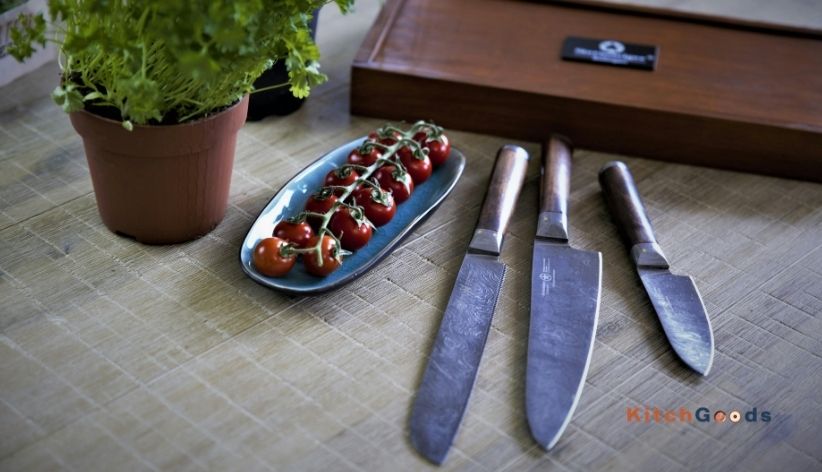
High-quality steel is strong and resists rust. It holds a sharp edge longer than low-quality steel. Steel knives stay sharp and cut better. They also handle daily use without bending or breaking. Good steel means less sharpening and longer use.
Non-stick Vs Stainless Steel
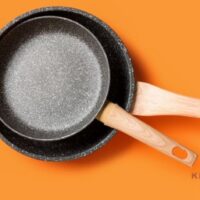
Non-stick pans are easy to clean and require less oil. They work well for delicate foods like eggs. But their coating can wear out over time. Stainless steel pans last longer and can handle high heat. They are great for searing and browning food. Choose based on cooking style and care.
Durability Of Silicone And Plastic Gadgets
Silicone tools resist heat and do not melt easily. They are soft on cookware surfaces and prevent scratches. Plastic gadgets vary in quality, so pick sturdy ones. Avoid thin plastic that bends or breaks fast. Silicone and good plastic tools help your kitchen last.
Proper Cleaning Techniques
Proper cleaning techniques keep your cookware, knives, and kitchen gadgets in good shape. Dirt, food particles, and moisture can cause damage over time. Careful cleaning stops rust, dullness, and stains. It also makes your tools last longer and work better.
Hand Washing Vs Dishwasher
Hand washing protects many kitchen tools better than dishwashers. Heat and harsh detergents can damage knife blades and delicate gadgets. Use warm water and mild soap for cleaning. Scrub gently with a soft sponge to avoid scratches. Some cookware, like cast iron, should never go in the dishwasher.
Safe Cleaning Products
Choose mild dish soap without strong chemicals or bleach. Harsh cleaners can wear down surfaces and finishes. Avoid abrasive powders and steel wool, which scratch cookware. Use baking soda or vinegar for stubborn stains. These natural cleaners are gentle and effective.
Drying And Storage Tips
Dry tools completely after washing to stop rust and mold. Use a clean towel or air dry on a rack. Store knives in a block or magnetic strip to protect edges. Keep gadgets in drawers with dividers to prevent damage. Proper drying and storage keep your kitchen tools ready to use.
Regular Sharpening And Maintenance
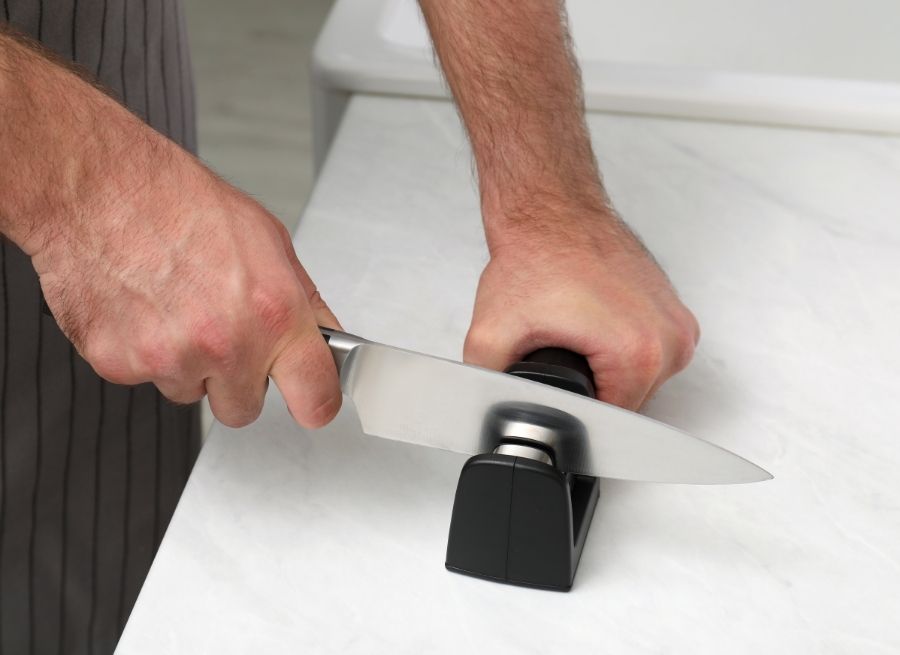
Regular sharpening and maintenance keep your knives and kitchen gadgets working well. Sharp tools cut better and make cooking easier. Proper care also helps your tools last longer. Neglect causes dull blades and broken parts. Simple steps can keep your kitchen gear in top shape.
How To Sharpen Knives
Start with a sharpening stone or a knife sharpener. Hold the blade at a 20-degree angle. Slide the blade across the stone evenly. Repeat on both sides to keep the edge sharp. Use light pressure and slow strokes. Test sharpness by slicing paper or a tomato.
Maintaining Gadget Blades
Clean blades after each use to avoid rust and build-up. Dry them thoroughly before storing. Some gadgets need oil on moving parts. Follow the maker’s instructions for specific care. Avoid cutting hard materials that can damage blades. Regular checks help spot wear early.
When To Replace Parts
Replace blades or parts showing cracks or chips. Worn-out pieces reduce performance and safety. If sharpening no longer works, it’s time for new blades. Check handles and screws for damage too. Using broken parts can cause accidents. Keep spare parts handy for quick fixes.
Safe Storage Solutions
Proper storage keeps your cookware, knives, and kitchen gadgets safe. It prevents damage and extends their life. Storing items carefully saves money and keeps your kitchen neat. Use the right tools and methods to protect your kitchen items.
Knife Blocks And Magnetic Strips
Knife blocks keep blades sharp and prevent accidents. They hold knives upright and separate from each other. Magnetic strips save counter space and keep knives visible. They also stop blades from rubbing together. Both options help knives stay clean and ready to use.
Organizing Gadgets Efficiently
Organize gadgets by size and frequency of use. Use trays or containers to group similar tools. This stops gadgets from scratching or bending. Efficient organization saves time searching for items. It also keeps your kitchen tidy and safe.
Avoiding Damage In Drawers
Drawers can cause scratches and dull blades. Use drawer dividers to keep items apart. Soft liners protect delicate surfaces from damage. Store knives with blade covers for extra safety. Careful drawer storage prevents wear and tear on tools.
Usage Habits To Extend Lifespan
Using the right habits while cooking helps your tools last longer. Careful use protects knives, cookware, and gadgets from damage. Small changes in how you use items make a big difference. Learn simple tips to keep your kitchen tools in top shape.
Avoiding Hard Surfaces
Hard surfaces can dull knives and scratch pans. Avoid cutting or chopping on stone, glass, or metal counters. Use softer surfaces to protect blades and cookware finishes. Hard surfaces cause chips and cracks that reduce tool life.
Using Proper Cutting Boards
Choose cutting boards made of wood or plastic. These materials are gentle on knife edges. Avoid glass or marble boards that wear down blades quickly. Clean boards after use to stop bacteria build-up. Proper boards keep knives sharp and safe.
Handling Gadgets Gently
Handle kitchen gadgets with care to avoid breakage. Don’t use excessive force or twist tools roughly. Store gadgets properly to prevent damage and tangling. Gentle handling helps gadgets stay functional and last longer.
Frequently Asked Questions
How Often Should I Sharpen My Kitchen Knives?
Sharpen kitchen knives every few months or when they become dull. Regular sharpening ensures better cutting performance and safety. Use a whetstone or professional service for best results. Avoid cutting on hard surfaces to maintain sharpness longer.
What Is The Best Way To Clean Cookware?
Clean cookware with warm, soapy water and a soft sponge. Avoid abrasive cleaners or steel wool to prevent scratches. Dry thoroughly to prevent rust and water spots. For stubborn stains, use baking soda or vinegar for gentle scrubbing.
How Can I Prevent Rust On My Knives?
Keep knives dry after washing and store them properly. Use oil on carbon steel blades to prevent oxidation. Avoid soaking knives in water for long periods. Store knives in a block, magnetic strip, or protective sheath.
Should I Hand Wash Or Use A Dishwasher For Kitchen Gadgets?
Hand wash kitchen gadgets to extend their lifespan. Dishwashers can cause corrosion, dull blades, and damage handles. Use mild detergent and avoid soaking parts with electronic components. Dry gadgets immediately after washing to prevent moisture damage.
Conclusion
Taking good care of your knives and kitchen tools saves money. Clean and dry them after each use. Store them safely to avoid damage. Sharpen knives regularly for better performance. Simple habits extend the life of your cookware. Small efforts lead to big benefits in the kitchen.
Keep these tips in mind for lasting tools. Enjoy cooking with well-maintained gadgets every day.