Last Updated on October 4, 2026
Choosing the right cookware can change the way you cook—and even how your food tastes. But with so many options like stainless steel, cast iron, ceramic, and nonstick, it’s easy to feel overwhelmed.
You want pots and pans that suit your style, last long, and make cooking easier, right? This guide will break down the best cookware materials, helping you pick exactly what fits your kitchen and your needs. Keep reading, and soon you’ll know which cookware will make your meals better and your cooking more enjoyable.
Stainless Steel Cookware
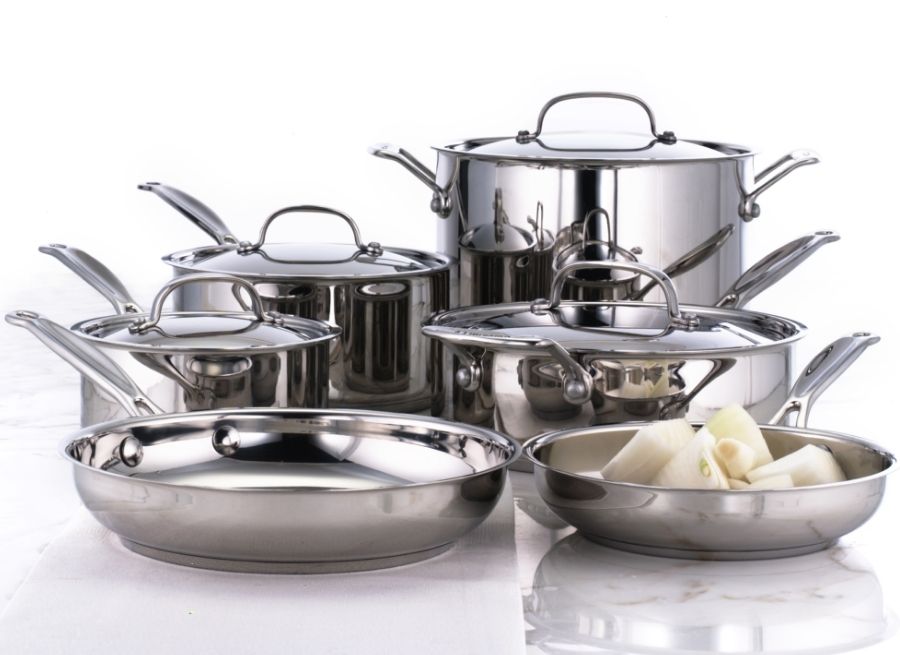
Stainless steel cookware is popular in many kitchens. It offers strength and a clean look. This material resists rust and stains. It also handles high heat well. Many cooks trust stainless steel for its durability and style.
Stainless steel pots and pans come in many shapes and sizes. They often have a shiny finish. This finish stays bright even after years of use. Stainless steel is a top choice for those who want long-lasting cookware.
Benefits Of Stainless Steel
Stainless steel cooks food evenly. It does not react with acidic or alkaline foods. This means flavors stay pure. It can handle very high heat without damage. The cookware is tough and resists scratches. It also cleans easily and looks good over time.
Drawbacks To Consider
Stainless steel can stick to some foods. Cooking at the wrong temperature causes this. It is not nonstick like other materials. It may take longer to heat up than other pans. Sometimes, it can be heavy to lift. The price is usually higher than basic cookware.
Best Uses And Care Tips
Use stainless steel for searing, browning, and sautéing. It works great for frying and boiling too. Preheat the pan before adding oil or food. Avoid cooking on very high heat without food inside. Clean with warm soapy water after use. Use a scrubber for stuck food. Dry immediately to keep the shine. Avoid steel wool to prevent scratches.
Cast Iron Cookware
Cast iron cookware has been a kitchen favorite for centuries. Its heavy and sturdy design helps cook food evenly. This material holds heat well, making it perfect for slow cooking and frying. Many chefs and home cooks trust cast iron for its durability and natural nonstick surface when properly cared for.
Advantages Of Cast Iron
Cast iron heats evenly and keeps heat for a long time. It works great on all heat sources, including ovens and campfires. This cookware adds iron to your food, which can be healthy. It is very tough and can last for decades. The more you use it, the better its cooking surface becomes.
Maintenance And Seasoning
Cast iron needs special care to stay in good shape. After washing, dry it completely to avoid rust. Seasoning creates a natural nonstick layer and protects the pan. To season, rub oil on the surface and heat it in the oven. Repeat seasoning regularly to keep the pan smooth and shiny.
Ideal Cooking Techniques
Cast iron is perfect for frying, searing, and baking. Use it to cook steaks, cornbread, and even pizza. It works well for slow cooking stews and soups. Avoid cooking very acidic foods often, as they can damage the seasoning. Let the pan heat slowly to protect its surface.
Ceramic Cookware
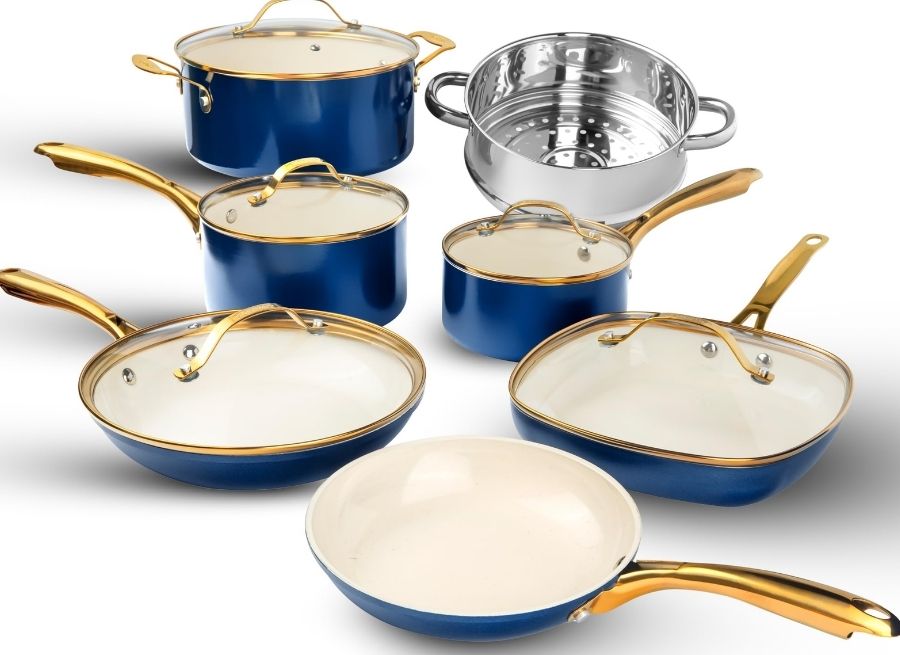
Ceramic cookware is popular for its clean cooking surface and even heating. It offers a nonstick option without synthetic chemicals. Many home cooks prefer ceramic pots and pans for healthy meals. This type of cookware often features a smooth, white or light-colored coating. It works well for low to medium heat cooking.
Features Of Ceramic Pots And Pans
Ceramic cookware has a nonstick surface made from natural materials. It heats evenly and retains heat well. The smooth coating prevents food from sticking. These pots and pans are lightweight and easy to handle. They come in various sizes and shapes. Ceramic cookware also looks attractive in the kitchen.
Health And Safety Aspects
Ceramic cookware does not contain harmful chemicals like PTFE or PFOA. It is free from lead and cadmium in good-quality products. The surface is safe for cooking acidic foods. It does not release toxins when heated. Ceramic pots and pans support healthier cooking with less oil.
Durability And Cleaning
Ceramic cookware is durable but can chip if dropped. Avoid using metal utensils to protect the surface. Hand washing is best to maintain the coating. Some ceramic pans are dishwasher safe, but gentle cleaning is recommended. Proper care helps the cookware last longer and stay smooth.
Nonstick Cookware
Nonstick cookware is popular in many kitchens. It has a smooth surface that stops food from sticking. This makes cooking and cleaning easier. Nonstick pans are often light and heat quickly. They work well for eggs, pancakes, and delicate foods.
Pros Of Nonstick Surfaces
Nonstick surfaces need less oil or butter. This helps make meals healthier. Food slides off easily, so you waste less. Cleaning is fast because food does not cling. These pans heat evenly, helping to cook food gently. They are perfect for quick meals and small portions.
Limitations And Risks
Nonstick coatings can wear out over time. Scratches can damage the surface and reduce effectiveness. High heat may cause the coating to break down. Avoid metal utensils to keep the coating safe. Some older coatings may release harmful fumes if overheated. Use care to extend the life of your pan.
Choosing Quality Nonstick
Look for pans with strong, durable coatings. Ceramic and PTFE coatings are common choices. Check if the pan is free of harmful chemicals like PFOA. A thick base helps with even heating. Choose the right size for your cooking needs. Proper care improves the pan’s performance and lifespan.
Comparing Cookware Materials
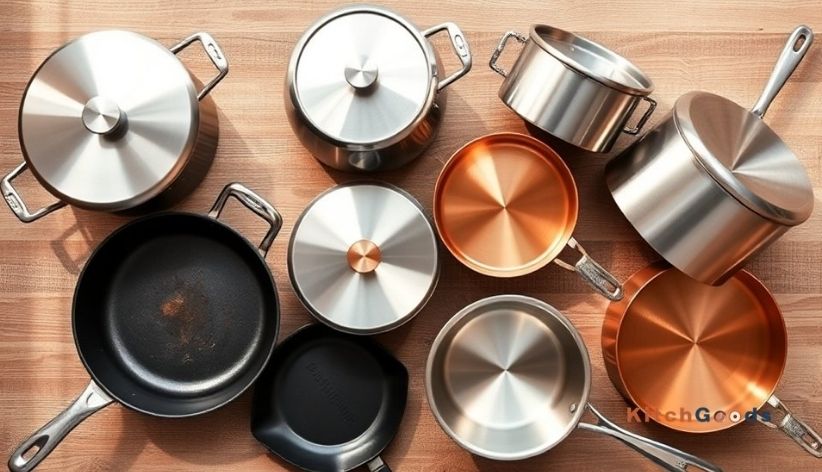
Choosing the right cookware material is key for better cooking results. Each type offers unique benefits and drawbacks. Knowing how they perform helps you pick the best one for your kitchen.
This section compares stainless steel, cast iron, ceramic, and nonstick cookware. We focus on heat distribution, cooking styles, cost, and lifespan.
Heat Distribution And Retention
Cast iron heats slowly but holds heat very well. It keeps food warm longer after cooking. Stainless steel heats quickly but may have hot spots unless layered with other metals. Ceramic offers even heat but cools down fast. Nonstick pans heat quickly but do not retain heat well. Good heat distribution means food cooks evenly without burning.
Suitability For Different Cooking Styles
Cast iron is great for frying and slow cooking. Stainless steel suits boiling, sautéing, and browning. Ceramic works well for gentle cooking like simmering and baking. Nonstick is perfect for low-fat cooking and eggs. Each material fits certain recipes better than others.
Cost And Longevity
Cast iron and stainless steel last for decades with care. Ceramic cookware can chip or crack over time. Nonstick pans wear out faster and need replacement every few years. Stainless steel tends to be pricier but offers long-term value. Budget and how often you cook affect your choice.
Choosing The Right Cookware
Choosing the right cookware matters a lot in the kitchen. The material of your pots and pans affects cooking speed, food taste, and cleaning ease. Different materials have unique benefits and limits. Understanding these differences helps pick cookware that fits your style and needs. This guide helps you make smart choices for your kitchen.
Assessing Your Cooking Needs
Think about what you cook most often. Do you fry, bake, or simmer? Some materials heat quickly and work well for frying. Others hold heat longer, perfect for slow cooking. Consider your stove type too. Not all cookware works well on every stove. Choose materials that match your cooking habits and kitchen setup.
Balancing Budget And Performance
Cookware price varies widely. High-end materials can last long but cost more. Basic options may save money but wear out faster. Look for cookware that offers good value. It should perform well and last without costing too much. Finding this balance helps keep your kitchen both efficient and affordable.
Mixing Materials For Best Results
Using different cookware materials can improve your cooking. For example, use cast iron for searing and stainless steel for boiling. Nonstick pans work well for eggs and pancakes. Ceramic is great for baking and slow cooking. Combining materials lets you enjoy the strengths of each type in your kitchen.
Frequently Asked Questions
What Is The Healthiest Cookware Material To Use?
Stainless steel and cast iron are the healthiest options. They do not leach harmful chemicals. Ceramic is also safe but can chip. Avoid old nonstick pans with damaged coatings for health reasons.
Which Cookware Material Heats Food Most Evenly?
Cast iron and stainless steel provide the most even heating. Cast iron retains heat longer, ideal for slow cooking. Stainless steel heats quickly and distributes heat well with a layered base.
How Do Nonstick Pans Compare To Ceramic Cookware?
Nonstick pans offer easy food release and quick cleaning. Ceramic cookware is more durable and scratch-resistant but may lose nonstick properties over time. Nonstick is best for low-fat cooking, while ceramic suits higher heat use.
Can Stainless Steel Cookware Prevent Food From Sticking?
Proper preheating and using oil help prevent sticking in stainless steel pans. Stainless steel does not have a nonstick coating but can cook food evenly when used correctly.
Conclusion
Choosing the right cookware depends on your cooking style and needs. Stainless steel is strong and great for browning foods. Cast iron holds heat well and lasts a lifetime. Ceramic offers a non-toxic, easy-clean surface. Nonstick pans make cooking and cleaning simple.
Each material has its own benefits and limits. Think about what you cook often and how you cook it. This will help you pick cookware that fits your kitchen best. Enjoy cooking with the right tools every day!