Last Updated on September 18, 2026
A good nonstick pan can make everyday cooking easier, faster, and less stressful. Whether you are making scrambled eggs, pancakes, grilled cheese, sautéed vegetables, or a quick chicken dinner, the right pan helps food release smoothly and makes cleanup much simpler.
For beginner home cooks, nonstick cookware is especially helpful because it is forgiving. You do not need a lot of oil, delicate foods are less likely to tear, and washing up usually takes only a few minutes. However, not all nonstick pans are the same. Some are better for eggs, some are more durable, and some are designed for families who cook several meals a day.
Below are five of the best types of nonstick pans for everyday home cooking, along with practical buying tips, pros and cons, safety advice, and cleaning tips to help you choose the right one for your kitchen.
What Makes a Good Everyday Nonstick Pan?
Before looking at the top five options, it helps to know what matters most when buying a nonstick pan.
An everyday nonstick pan should heat evenly, feel comfortable in your hand, release food easily, and be simple to clean. It should also match your cooking style. A single person making eggs in the morning may need a smaller pan, while a family cooking stir-fries and one-pan meals may need a larger skillet with higher sides.
Key Features to Look For
When shopping for a nonstick pan, consider:
- Size: An 8-inch pan is great for eggs, while a 10- or 12-inch pan is better for family meals.
- Weight: A heavier pan often heats more evenly, but it should still be easy to lift.
- Handle comfort: Look for a sturdy, heat-resistant handle that feels secure.
- Coating type: Traditional nonstick and ceramic nonstick are common choices.
- Cooktop compatibility: Make sure the pan works with gas, electric, ceramic, or induction if needed.
- Oven safety: Some pans can go in the oven, but temperature limits vary.
- Ease of cleaning: A smooth coating and rivet-free interior can make cleanup easier.
1. The Classic 10-Inch Nonstick Frying Pan
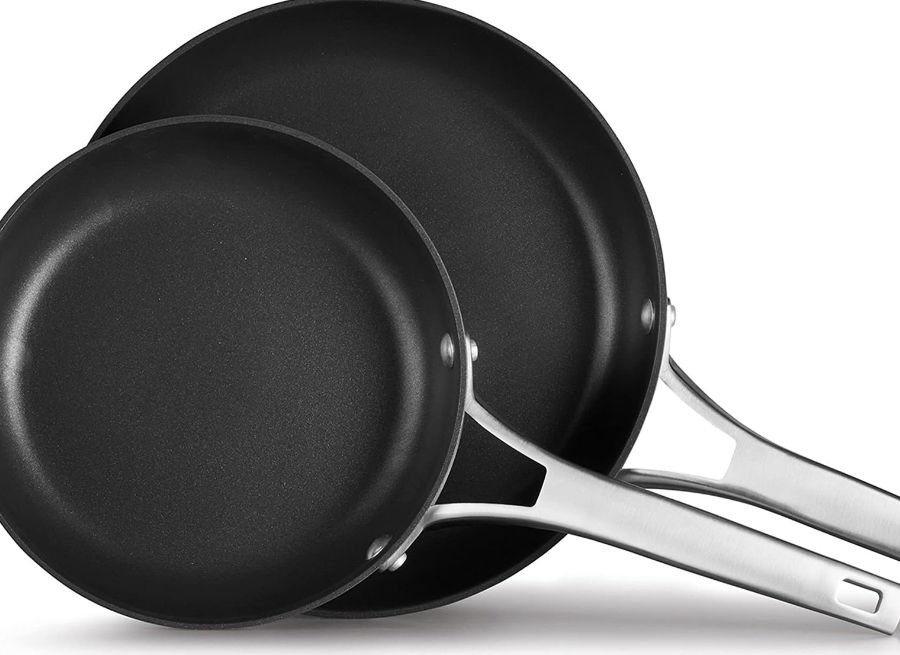
A 10-inch nonstick frying pan is one of the most useful pieces of cookware for everyday home cooking. It is large enough for two to three eggs, a few pancakes, grilled sandwiches, sautéed vegetables, or a couple of chicken cutlets.
This size is a great starting point for most kitchens because it is not too small and not too bulky. If you are buying only one nonstick pan, a classic 10-inch frying pan is usually the most practical choice.
Best For
- Scrambled eggs
- Omelets
- Pancakes
- Grilled cheese
- Sautéed vegetables
- Small portions of fish or chicken
Pros
- Versatile enough for daily use
- Easy to handle and store
- Good size for couples or small households
- Usually affordable
- Works well for delicate foods
Cons
- May be too small for larger families
- Not ideal for big stir-fries or batch cooking
- Coating can wear out if used with metal utensils
Buying Tip
Choose a 10-inch pan with a thick base for better heat distribution. A thin, lightweight pan may heat unevenly and cause hot spots, which can lead to uneven browning or food sticking over time.
2. The Large 12-Inch Nonstick Skillet
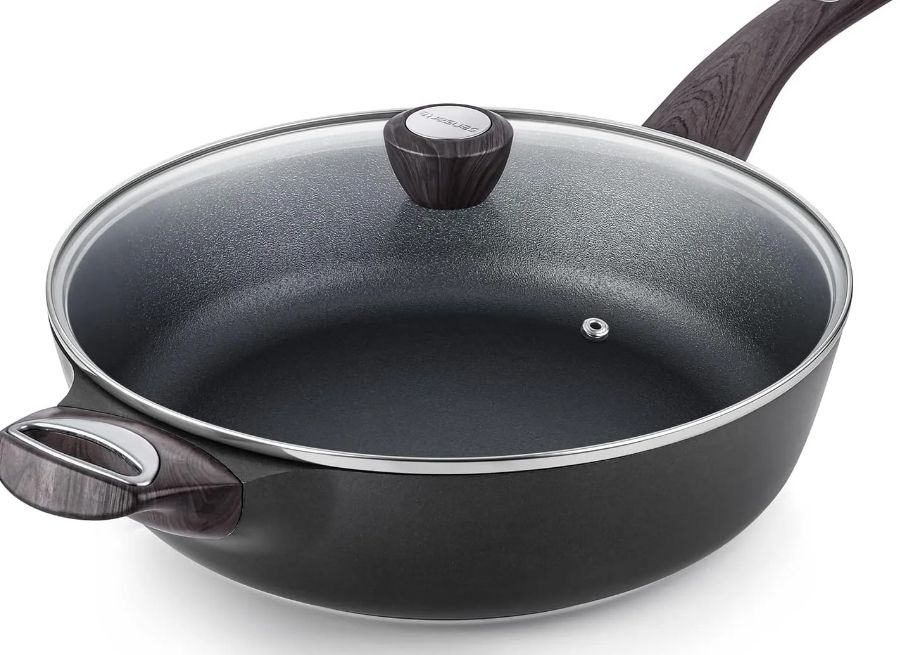
A 12-inch nonstick skillet is ideal for families or anyone who cooks larger portions. It gives you more surface area, which means food can spread out instead of steaming in a crowded pan.
This type of pan is useful for weeknight dinners because it can handle more ingredients at once. You can cook chicken pieces, vegetables, fried rice, quesadillas, or several pancakes without needing multiple batches.
Best For
- Family-sized meals
- Fried rice
- Quesadillas
- Large omelets
- Sautéed vegetables
- Chicken breasts or cutlets
- One-pan dinners
Pros
- Great for cooking larger portions
- Reduces the need for multiple batches
- Useful for meal prep
- Better for family cooking
- Gives food more room to brown
Cons
- Heavier than smaller pans
- Takes up more storage space
- May not fit well in smaller sinks
- Can be harder to maneuver when full
Buying Tip
If you choose a 12-inch skillet, look for one with a helper handle or a very sturdy main handle. Larger pans can become heavy when filled with food, and an extra handle makes moving the pan safer and easier.
3. The Ceramic Nonstick Pan
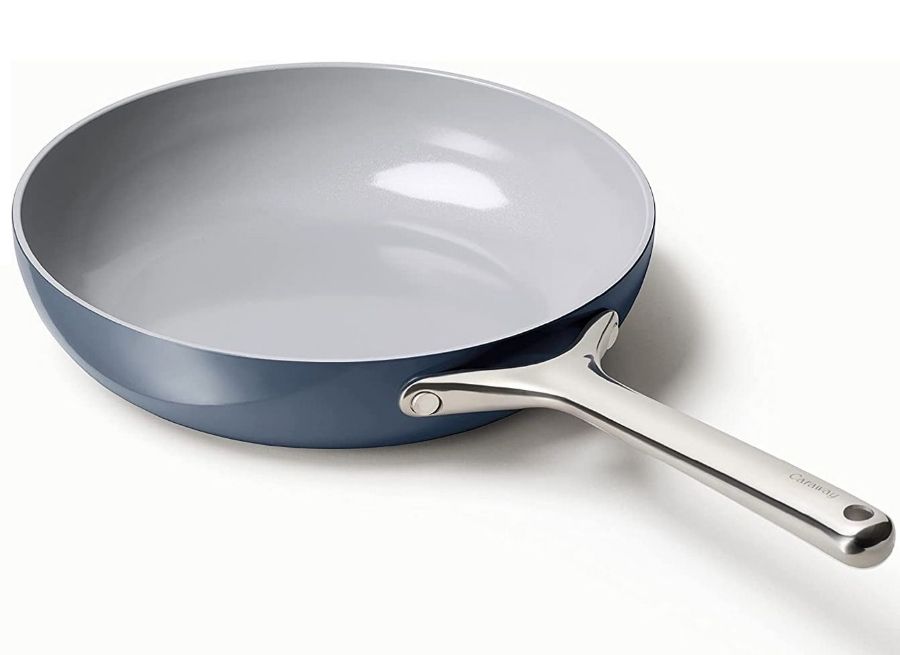
Ceramic nonstick pans are popular with home cooks who want a smooth, easy-release surface made without traditional PTFE-style coatings. They are often marketed as a more natural-looking option and usually come in attractive colors.
Ceramic nonstick pans are useful for low- to medium-heat cooking. They work well for eggs, pancakes, vegetables, and lighter meals. However, they may lose their nonstick performance faster than some traditional nonstick pans if they are overheated or cleaned too aggressively.
Best For
- Eggs
- Pancakes
- Low-oil cooking
- Light sautéing
- Simple everyday meals
- Cooks who prefer ceramic-style coatings
Pros
- Smooth food release when properly cared for
- Often available in stylish colors
- Good for low- to medium-heat cooking
- Easy to clean
- Useful for beginner cooks
Cons
- Nonstick performance may fade over time
- Usually not ideal for high-heat cooking
- Can be sensitive to cooking sprays
- Requires gentle cleaning and storage
Buying Tip
Avoid using ceramic nonstick pans over high heat. Medium or medium-low heat is usually enough for most everyday foods. Overheating can reduce the life of the coating and make food more likely to stick.
4. The Hard-Anodized Nonstick Pan
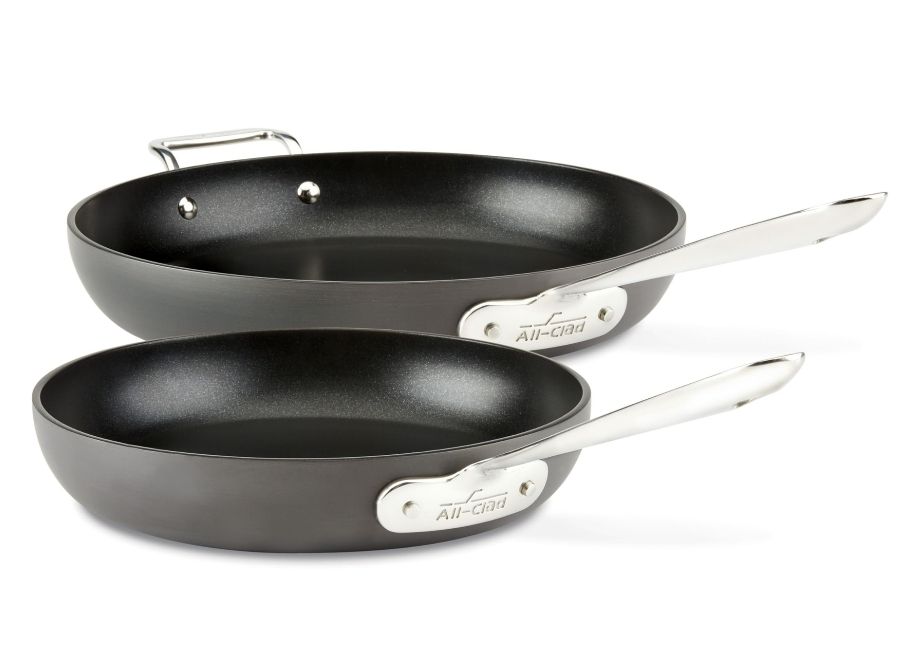
Hard-anodized nonstick pans are known for durability. The base is usually made from treated aluminum, which helps the pan resist warping and distribute heat evenly. These pans often feel heavier and more solid than basic nonstick pans.
For home cooks who use nonstick cookware frequently, a hard-anodized pan can be a smart upgrade. It is especially useful if you cook daily and want something that feels sturdy without moving into stainless steel or cast iron.
Best For
- Everyday cooking
- Chicken and turkey cutlets
- Fish fillets
- Eggs and breakfast foods
- Vegetables
- Frequent home cooking
Pros
- More durable than many basic nonstick pans
- Good heat distribution
- Often has a sturdy, professional feel
- Useful for frequent cooking
- Less likely to warp than very thin pans
Cons
- Usually costs more than basic nonstick pans
- Can be heavier
- Not all models are induction-compatible
- Still requires gentle utensils and care
Buying Tip
Check whether the pan is induction-compatible before buying. Many hard-anodized pans work well on gas and electric cooktops, but not all will work on induction unless they have a magnetic stainless steel base.
5. The Nonstick Sauté Pan With Lid
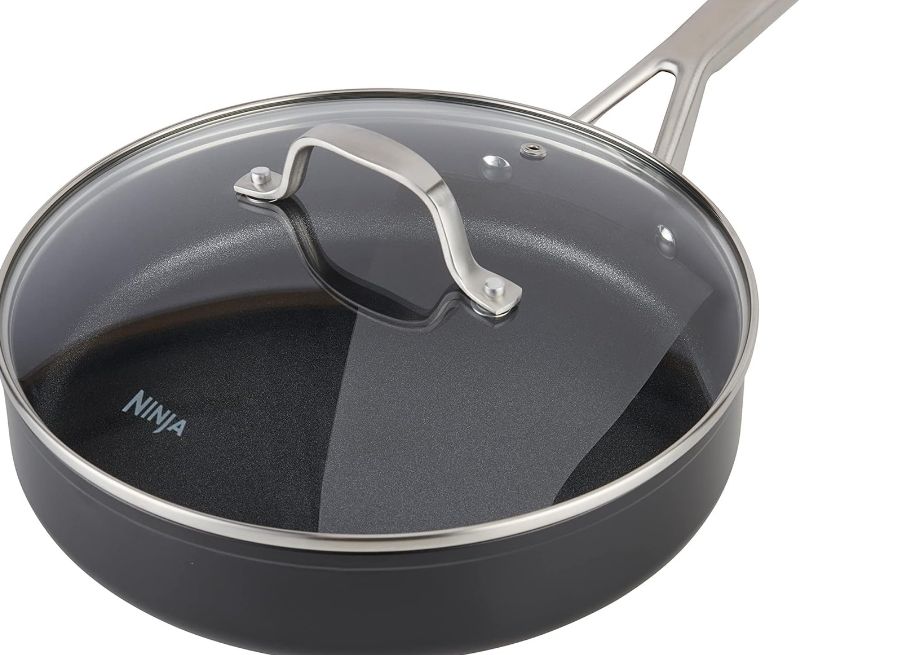
A nonstick sauté pan has higher, straighter sides than a standard frying pan and often comes with a lid. This makes it very useful for saucy dishes, simmering, steaming, and one-pan meals.
If you like cooking simple dinners such as pasta skillets, chicken with vegetables, ground turkey, curry-style meals, or rice-based dishes, a nonstick sauté pan can be more practical than a shallow frying pan.
Best For
- One-pan dinners
- Simmered sauces
- Chicken and vegetables
- Pasta skillet meals
- Ground meat
- Rice or grain dishes
- Light steaming with a lid
Pros
- Higher sides help prevent spills
- Lid makes it useful for simmering and steaming
- Great for weeknight meals
- More versatile than a shallow frying pan
- Helpful for cooking saucy foods
Cons
- Bulkier to store
- Can be heavier than a frying pan
- Not as easy for flipping pancakes or omelets
- May cost more if it includes a quality lid
Buying Tip
Look for a sauté pan with a tight-fitting lid and a comfortable handle. A glass lid is helpful because you can check food without lifting the lid and releasing heat.
Quick Comparison: Which Nonstick Pan Should You Choose?
| Pan Type | Best For | Main Advantage | Possible Drawback |
|---|---|---|---|
| 10-Inch Nonstick Frying Pan | Everyday basics | Most versatile size | Too small for families |
| 12-Inch Nonstick Skillet | Larger meals | More cooking space | Heavier and bulkier |
| Ceramic Nonstick Pan | Low-heat cooking | Smooth, easy-release surface | Coating may wear faster |
| Hard-Anodized Nonstick Pan | Frequent cooking | More durable feel | Usually more expensive |
| Nonstick Sauté Pan With Lid | One-pan meals | Great for sauces and simmering | Takes more storage space |
For most home cooks, the best starting point is a 10-inch nonstick frying pan. If you cook for a family, add a 12-inch skillet or a nonstick sauté pan with lid. If durability is your main concern, consider a hard-anodized nonstick pan.
Practical Buying Tips for Nonstick Pans
Choosing a nonstick pan is easier when you know how you plan to use it. Here are a few simple tips to help you buy wisely.
Choose the Right Size
If you mostly cook breakfast foods or small portions, an 8- or 10-inch pan may be enough. If you cook dinner for several people, a 12-inch pan gives you more room and helps prevent overcrowding.
A crowded pan traps moisture, which can make food steam instead of brown. More surface area helps ingredients cook more evenly.
Check Cooktop Compatibility
Not every nonstick pan works on every cooktop. Gas, electric, and ceramic cooktops work with most pans, but induction cooktops require magnetic cookware.
If you have an induction stove, look for words like “induction compatible” or “stainless steel base.”
Look for a Comfortable Handle
A pan may look good online, but the handle matters a lot in daily use. A good handle should feel secure, stay reasonably cool on the stovetop, and give you control when lifting or tilting the pan.
Avoid pans with loose-feeling handles or handles that are too short for the size of the pan.
Think About Storage
Nonstick coatings can scratch if pans are stacked directly on top of each other. If you have limited cabinet space, choose pans that stack neatly and use pan protectors, towels, or soft liners between them.
Do Not Buy Only Based on Price
A very cheap nonstick pan can work for occasional use, but it may warp or lose its coating quickly. On the other hand, the most expensive pan is not always necessary for everyday home cooking.
Look for a balance of price, durability, size, and comfort.
Nonstick Pan Safety Tips
Nonstick pans are safe and useful when used properly. The main thing to remember is that they are designed for low to medium heat, not extreme high heat.
Use Low or Medium Heat
Most everyday foods cook well on medium heat or lower. Eggs, pancakes, fish, and vegetables do not need high heat in a nonstick pan.
High heat can damage the coating over time and may cause the pan to lose its nonstick performance faster.
Avoid Empty Preheating for Too Long
Do not leave an empty nonstick pan on a hot burner for a long time. Nonstick pans can heat quickly when empty, especially lightweight models.
Add a little oil, butter, or food shortly after preheating, and keep the temperature controlled.
Use the Right Utensils
Use utensils made from:
- Silicone
- Wood
- Nylon
- Heat-safe plastic
Avoid metal forks, knives, or spatulas, which can scratch the cooking surface.
Replace Damaged Pans
If the coating is deeply scratched, peeling, or flaking, it is time to replace the pan. A damaged nonstick surface will not cook as well and may continue to break down with use.
Cleaning and Maintenance Tips
Good care can help your nonstick pan last longer. Even a high-quality pan can wear out quickly if it is overheated, scratched, or cleaned harshly.
Let the Pan Cool Before Washing
Avoid placing a hot pan directly under cold water. Sudden temperature changes can cause warping, especially in thinner pans.
Let the pan cool for a few minutes before washing.
Wash by Hand When Possible
Even if a pan is labeled dishwasher-safe, hand washing is usually gentler. Use warm water, mild dish soap, and a soft sponge or cloth.
Avoid steel wool, abrasive pads, and harsh cleaners.
Avoid Aerosol Cooking Sprays
Aerosol sprays can leave a sticky residue that builds up over time and makes the pan harder to clean. Instead, use a small amount of oil or butter.
You can add oil with a spoon, brush, or refillable oil sprayer.
Store Carefully
If you stack pans, place a towel, paper plate, or pan protector between them. This helps prevent scratches and keeps the cooking surface smooth.
Common Mistakes to Avoid
Even simple cookware can be damaged by everyday habits. Try to avoid these common mistakes:
- Cooking on high heat too often
- Cutting food inside the pan
- Using metal utensils
- Stacking pans without protection
- Washing with abrasive scrubbers
- Leaving food residue to dry overnight
- Using the pan under a broiler unless it is clearly broiler-safe
Small changes in care can make a big difference in how long your pan stays useful.
FAQs About Nonstick Pans
1. What size nonstick pan is best for everyday cooking?
A 10-inch nonstick pan is the best all-purpose size for most home cooks. It works well for eggs, pancakes, sandwiches, vegetables, and small portions of meat or fish.
2. Can nonstick pans go in the oven?
Some nonstick pans are oven-safe, but temperature limits vary. Always check the manufacturer’s instructions, especially if the pan has a silicone, plastic, or coated handle.
3. How long does a nonstick pan usually last?
With regular home use, many nonstick pans last one to five years, depending on quality and care. Gentle cleaning, low-to-medium heat, and non-metal utensils can help extend the lifespan.
4. Is ceramic nonstick better than regular nonstick?
Ceramic nonstick can be a good choice for low-heat cooking and easy cleanup, but it may lose its slick surface faster if not cared for properly. Regular nonstick often lasts longer, depending on the quality of the coating.
5. Why is food starting to stick to my nonstick pan?
Food may stick if the coating is worn, the pan has residue buildup, or the heat is too high. Try cleaning it gently with warm soapy water and a soft sponge. If the surface is scratched or peeling, replace the pan.
Conclusion
The best nonstick pan for everyday home cooking depends on how you cook, how many people you cook for, and what meals you make most often. A 10-inch nonstick frying pan is the most practical choice for many kitchens, while a 12-inch skillet is better for families and larger meals. A ceramic nonstick pan is useful for gentle, low-heat cooking, and a hard-anodized nonstick pan offers a sturdier feel for frequent use. For one-pan dinners and saucy meals, a nonstick sauté pan with a lid is a smart option.
When buying a nonstick pan, focus on size, comfort, durability, cooktop compatibility, and ease of cleaning. Once you have the right pan, take care of it by using low to medium heat, avoiding metal utensils, washing it gently, and storing it properly.
A good nonstick pan will not do everything, but it can make everyday cooking much easier. For simple breakfasts, quick lunches, and busy weeknight dinners, it is one of the most helpful tools in a home kitchen.