Have you ever opened your kitchen drawer or cupboard only to be hit by a bad smell coming from your tools or containers? It’s frustrating, isn’t it?
Those stubborn odors can make cooking less enjoyable and even affect the taste of your food. But don’t worry—you’re not stuck with those smells forever. You’ll discover the best, easy-to-follow ways to get rid of bad smells from your kitchen tools and containers.
By the end, your kitchen will smell fresh and clean, making every meal prep a pleasure. Keep reading to learn how simple steps can make a big difference!

Common Causes Of Kitchen Odors
Bad smells in kitchen tools and containers are common problems. These odors can make cooking and storing food unpleasant. Understanding the causes of these smells helps in removing them effectively. Smells come from different sources and materials that hold onto odors for a long time. Knowing these causes is the first step to fresh and clean kitchen items.
Sources Of Bad Smells
Food scraps left on tools or inside containers cause bad smells. Items like garlic, onions, and fish have strong odors. When not cleaned well, their smell stays on surfaces. Mold and bacteria also grow on dirty kitchen tools, creating foul odors. Spilled liquids or leftover food in containers start to rot and smell bad. Even damp sponges and cloths can add to the problem.
Materials That Retain Odors
Some materials hold smells longer than others. Plastic containers often absorb odors from food. The porous surface traps smells deep inside. Wooden tools soak up moisture and food smells easily. Silicone, while flexible, can also keep odors after repeated use. Metal tools usually do not keep smells, but if coated or mixed with other materials, they might. Glass and stainless steel rarely retain odors and are easier to clean.
Quick Fixes For Smelly Tools
Bad smells in kitchen tools and containers can be a real nuisance. They affect the taste of your food and make cooking less enjoyable. Quick fixes help remove these odors fast. These simple methods use items you likely already have at home.
Using Baking Soda
Baking soda is a powerful odor absorber. Sprinkle it on smelly tools or inside containers. Let it sit for at least 15 minutes. Then, rinse well with warm water. For strong smells, make a paste with water. Rub it gently on the tool’s surface. This method neutralizes bad odors effectively.
Applying White Vinegar
White vinegar fights smells and kills bacteria. Fill a container with equal parts vinegar and water. Soak the smelly tools for 10 to 20 minutes. Rinse thoroughly with water afterward. Vinegar also breaks down grease and grime. It leaves your kitchen items fresh and clean.
Lemon And Citrus Solutions
Lemon and citrus fruits have natural deodorizing power. Cut a lemon in half and rub it on the smelly areas. Let the juice sit for 10 minutes before rinsing. You can also soak tools in lemon juice mixed with water. This method adds a fresh, clean scent to your kitchen tools.
Deep Cleaning Techniques
Deep cleaning kitchen tools and containers is the best way to remove bad smells. These smells often hide in tiny cracks or stains. Regular washing might not be enough. Deep cleaning breaks down stubborn odors and kills bacteria. It keeps your kitchen tools fresh and safe to use.
Use strong cleaning methods that reach every corner. This section explains easy and effective deep cleaning techniques. Try soaking, scrubbing, and using the dishwasher safely. These methods will help keep your kitchen smelling clean and fresh.
Soaking Methods
Soaking kitchen tools in vinegar or baking soda water helps remove smells. Use one cup of vinegar or two tablespoons of baking soda in warm water. Let the items soak for 30 minutes or more. This softens stains and odors for easier cleaning. Rinse well with clean water afterward. Avoid soaking wooden tools for too long to prevent damage.
Scrubbing Tips
Use a soft brush or sponge to scrub tools after soaking. Focus on corners and grooves where smells hide. Mix baking soda with a little water to make a paste. Apply the paste and scrub gently for better odor removal. Rinse the tools thoroughly. Dry them completely before storing to stop smells from returning.
Using Dishwasher Safely
Many kitchen tools can go in the dishwasher for deep cleaning. Check if your tools are dishwasher-safe first. Place small items in the utensil basket to avoid loss. Use a hot water cycle for better cleaning. Avoid putting wooden or delicate tools in the dishwasher. After washing, air dry the tools fully to prevent bad smells.
Natural Deodorizers For Containers
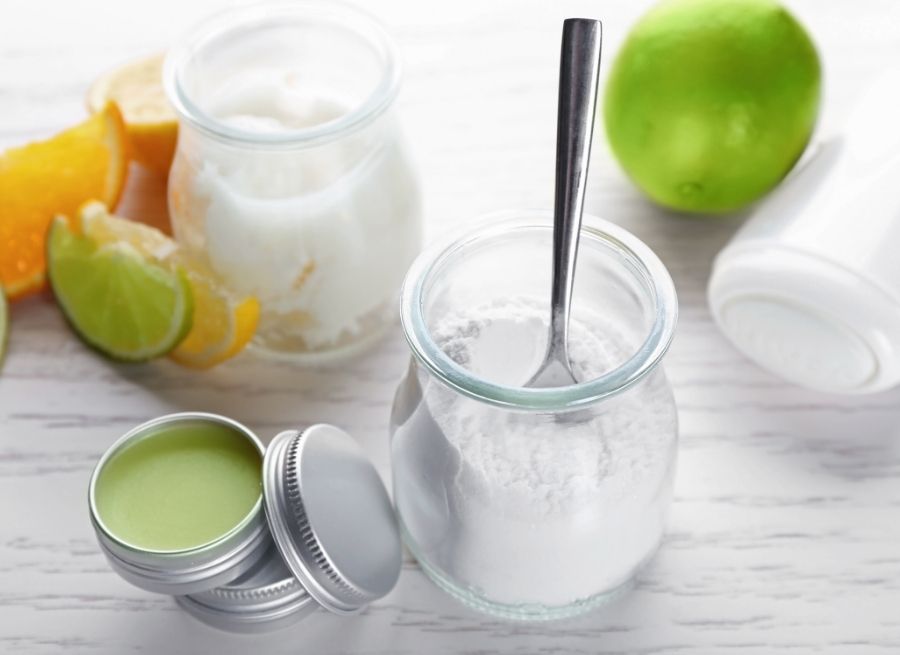
Natural deodorizers offer a safe and eco-friendly way to remove bad smells from kitchen containers. These options work without harsh chemicals. They are easy to find and use. Plus, they leave your containers smelling fresh and clean.
Many natural ingredients absorb odors effectively. They help keep your kitchen tools and containers pleasant. The following natural deodorizers are simple and practical choices.
Activated Charcoal
Activated charcoal is a powerful odor absorber. It traps bad smells inside its tiny pores. Place a small bag or a few pieces inside the container. Leave it for a day or two to freshen the smell.
You can reuse activated charcoal several times. Just air it out in the sun to restore its power.
Coffee Grounds
Dry coffee grounds work well to neutralize odors. They absorb smells and add a mild, pleasant scent. Fill a small cloth bag with used coffee grounds. Put it in the container and close the lid for a day.
After removing, wash the container as usual. Coffee grounds are a natural and affordable deodorizer.
Herbs And Spices
Fresh or dried herbs and spices can mask unpleasant odors. Try using bay leaves, cinnamon sticks, or cloves. Put a few pieces inside the container. Close the lid and let them sit for several hours.
The natural oils in herbs and spices help eliminate bad smells. They also leave a gentle, fresh aroma behind.
Preventing Odors In The Future
Preventing bad odors in kitchen tools and containers saves time and keeps your kitchen fresh. Simple habits help stop smells from building up. Focus on drying, cleaning, and choosing the right materials to keep your kitchen tools odor-free.
Proper Drying And Storage
Dry tools and containers completely before storing them. Moisture creates a perfect place for bacteria and mold. Use a clean towel or air dry on a rack. Store items in a dry, cool place with good air flow. Avoid stacking wet containers inside each other.
Regular Cleaning Routines
Clean kitchen tools right after use to prevent odor buildup. Use warm water and soap to remove food particles. For tough smells, add a little baking soda or vinegar. Make cleaning a daily habit to keep tools fresh and ready.
Choosing Odor-resistant Materials
Pick kitchen tools made from materials that resist odors. Stainless steel and glass do not absorb smells like plastic does. Silicone is also a good option for odor resistance. Avoid porous materials that hold onto food smells and stains.
When To Replace Kitchen Tools
Knowing when to replace kitchen tools is important for hygiene and safety. Over time, tools and containers can hold onto smells that cleaning cannot fix. This can affect the taste of your food and your kitchen’s freshness.
Replacing items at the right time keeps your kitchen tools safe and odor-free. It also helps avoid bacteria buildup that hides in cracks and stains. Watch for key signs that tell you it’s time to get new tools.
Signs Of Persistent Odors
Strong smells that don’t disappear after washing show it is time to replace the item. Bad odors often mean bacteria or mold inside the tool. These smells can come back even after soaking or scrubbing.
If a container or tool smells sour, musty, or like old food, do not ignore it. Persistent odors signal the material has absorbed stains and germs. It is safer to throw away these items than keep using them.
Material Wear And Tear
Look for cracks, scratches, or discoloration on your kitchen tools. Damaged surfaces trap food particles and smells. Worn-out materials do not clean well and breed bacteria.
Plastic containers often stain or warp over time. Wooden tools can crack and absorb moisture. Metal tools may rust or lose their coating. These changes mean the tool is no longer safe or fresh.
Replacing worn kitchen tools helps keep your cooking clean and healthy. Check your items regularly to spot damage early. Fresh tools save you from bad smells and food contamination.
Frequently Asked Questions
How Can I Quickly Remove Smells From Plastic Containers?
Rinse containers with warm water and soap immediately after use. Use baking soda paste to scrub stubborn odors. Air dry completely before storing to prevent smell retention.
What Natural Ingredients Eliminate Kitchen Tool Odors Effectively?
Lemon juice, baking soda, and white vinegar are great natural deodorizers. They neutralize odors without harsh chemicals and are safe for most materials.
How Do I Prevent Bad Smells In Wooden Kitchen Tools?
Clean wooden tools with mild soap and warm water. Dry thoroughly and occasionally rub with mineral oil to maintain freshness and prevent odor absorption.
Can Dishwasher Remove Strong Odors From Kitchen Containers?
Dishwashers can help remove mild odors but may not eliminate strong smells. Pre-soaking with baking soda or vinegar improves odor removal before dishwasher use.
Conclusion
Bad smells in kitchen tools and containers can be stubborn. Regular cleaning with baking soda or vinegar helps a lot. Sunlight and fresh air work wonders too. Avoid letting food sit for too long inside. Use these simple steps to keep your kitchen fresh.
Clean tools make cooking more pleasant and safe. Stay consistent and enjoy a smell-free kitchen every day. Easy habits create a cleaner, healthier cooking space. Your kitchen deserves this little care.