Last Updated on October 4, 2026
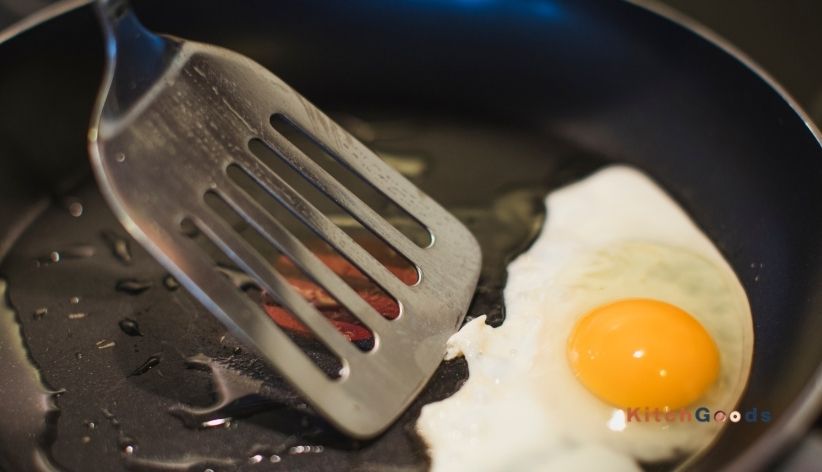
You’ve probably asked yourself this question while cooking: Can you use metal utensils on nonstick pans? It’s tempting to grab that trusty metal spatula or spoon, but is it safe for your pan?
Using the wrong tools can damage your cookware and ruin your meals. You’ll discover the truth about metal utensils and nonstick surfaces. Keep reading to protect your pans and get the best results every time you cook.
Nonstick Pan Coatings
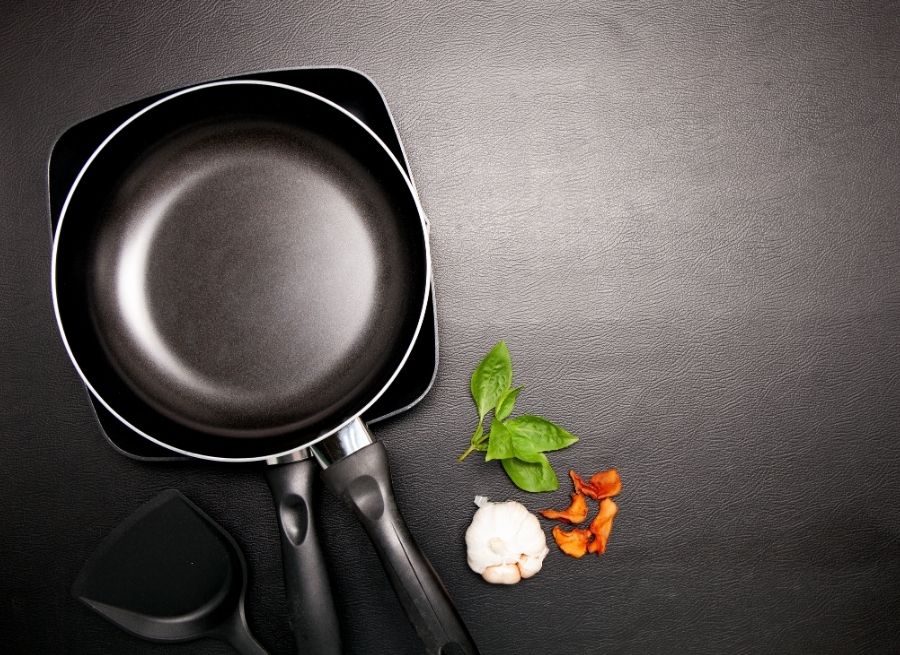
Nonstick pan coatings make cooking and cleaning easier. They stop food from sticking to the pan. These coatings come in different types. Each type has its own strengths and weaknesses. Knowing about these coatings helps you use your pans better.
Types Of Nonstick Coatings
Polytetrafluoroethylene (PTFE) is the most common nonstick coating. It works well for most cooking. Ceramic coatings are made from inorganic materials. They are free from PTFE and PFOA chemicals. Silicone coatings offer a smooth, flexible surface. Each coating type affects how you use your pan.
Durability Of Coatings
PTFE coatings are durable but can scratch easily. Metal utensils can damage these coatings. Ceramic coatings resist scratches better but may wear out faster. Silicone coatings are less durable and prone to damage. Proper care extends the life of any coating.
Impact Of Metal Utensils
Using metal utensils on nonstick pans can have serious effects. It can harm the pan’s surface and affect cooking quality. Understanding these impacts helps you take better care of your cookware.
Scratches And Damage
Metal utensils can easily scratch the nonstick coating. These scratches make the surface rough. A rough surface loses its nonstick power. Food starts to stick and cleaning becomes hard. Deep scratches can cause the coating to peel off. This damage shortens the life of the pan.
Health And Safety Concerns
Scratched nonstick pans may release harmful chemicals. These chemicals can mix with your food. Eating food from damaged pans can risk your health. Avoid using metal tools to keep your meals safe. Using proper utensils protects both your pan and your health.
Recommended Utensils For Nonstick Pans
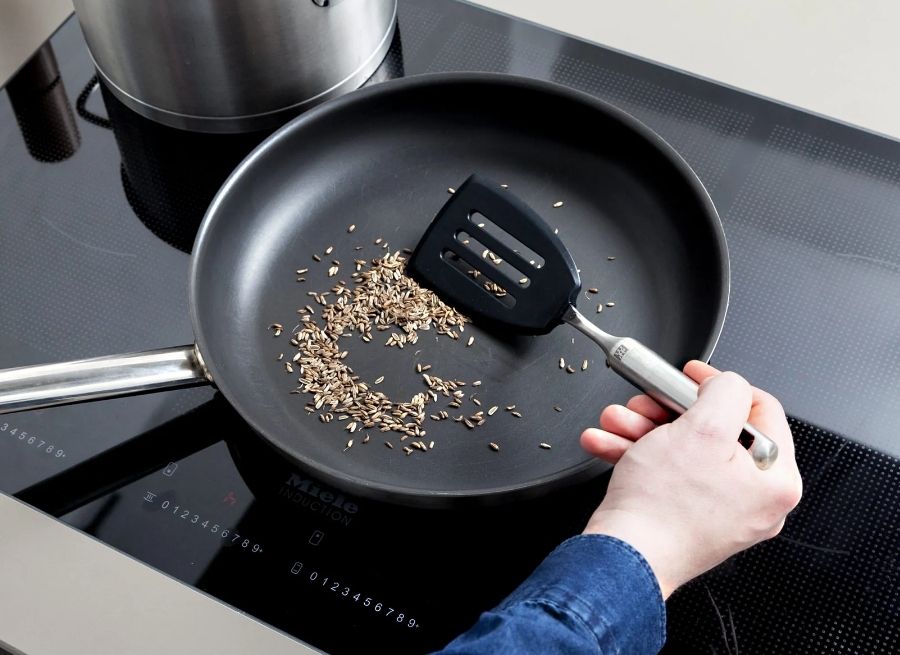
Choosing the right utensils for nonstick pans protects the pan’s surface. Nonstick coatings can scratch easily, lowering their lifespan. Using suitable utensils helps keep the pan smooth and efficient. It also ensures better cooking results and easier cleaning.
Silicone And Plastic Options
Silicone utensils are soft and flexible, ideal for nonstick pans. They resist heat and won’t damage the coating. Plastic utensils can work, but choose heat-resistant types to avoid melting. Both materials slide gently on the pan’s surface. They prevent scratches and keep the pan looking new longer.
Wooden Utensils Benefits
Wooden utensils are natural and safe for nonstick surfaces. They do not scratch or chip the coating. Wood feels comfortable to hold and stays cool while cooking. Wooden spoons and spatulas also add a classic touch to the kitchen. They are durable and can last for many years with care.
When Metal Utensils Might Be Safe
Metal utensils can damage nonstick pans. But sometimes, they might be safe to use. It depends on the pan quality and how carefully you handle the utensils. Let’s explore when metal utensils might not harm your nonstick cookware.
High-quality Nonstick Pans
Some nonstick pans have stronger coatings. These pans resist scratches better than cheaper ones. Brands use materials like ceramic or reinforced coatings. They tolerate metal tools without peeling or chipping.
Check your pan’s label or manual. It may say if metal utensils are safe. High-quality pans also last longer even with occasional metal use. Still, avoid heavy scraping or cutting with metal inside the pan.
Careful Usage Tips
Use metal utensils gently to protect the pan surface. Avoid forceful scraping or stirring. Light stirring and flipping are usually fine. Don’t drag metal tools across the pan’s base.
Choose utensils with smooth edges, not sharp or pointed tips. Keep the pan clean and dry to prevent damage. Proper care helps keep the coating intact longer. This way, metal utensils can be safer to use sometimes.
Maintaining Nonstick Pan Lifespan
Maintaining the lifespan of a nonstick pan is key for long-term use. The coating on these pans is delicate and needs care. Proper cleaning and storage help keep the pan’s surface smooth. This prevents scratches and damage that reduce its effectiveness. Small steps in daily use can protect your investment. Follow simple rules to make the pan last longer.
Proper Cleaning Methods
Use warm water and mild dish soap for cleaning. Avoid harsh scrubbers or steel wool that can scratch the surface. Soft sponges or cloths work best. Do not put nonstick pans in the dishwasher. The strong detergents and heat can break down the coating. Clean the pan right after cooking to stop food from sticking. Dry it completely before storing to avoid rust and stains.
Storage And Handling Advice
Store nonstick pans carefully to prevent scratches. Avoid stacking them directly on top of each other. Use a soft cloth or paper towel between pans if stacking is necessary. Handle pans gently and do not drop them. Avoid using metal utensils on the surface to protect the coating. Wooden, silicone, or plastic utensils are safer choices. Keep pans away from extreme heat when not in use to protect the nonstick layer.
Frequently Asked Questions
Can Metal Utensils Damage Nonstick Pans?
Yes, metal utensils can scratch and damage the nonstick coating. This reduces the pan’s effectiveness and lifespan. Using wooden or silicone utensils is safer and helps maintain the coating longer.
Are There Any Nonstick Pans Safe For Metal Utensils?
Some nonstick pans have reinforced coatings designed to resist metal scratches. However, it’s best to check the manufacturer’s guidelines before using metal utensils to avoid damage.
What Happens If I Use Metal Utensils On Nonstick Pans?
Using metal utensils can cause scratches, peeling, and flaking of the coating. This not only reduces nonstick performance but may also release harmful particles into food.
How Can I Protect Nonstick Pans From Utensil Damage?
Use wooden, silicone, or plastic utensils to avoid scratching. Avoid cutting or scraping inside the pan. Proper cleaning and storage also help preserve the coating.
Conclusion
Using metal utensils on nonstick pans can cause scratches and damage. This damage reduces the pan’s nonstick ability. It also shortens the pan’s lifespan. Choosing wooden or silicone tools protects your cookware. These materials are gentle and safe to use.
Taking care of your pans helps them last longer. Cookware lasts best with careful use and cleaning. Remember, small actions keep your kitchen tools working well. Protect your pans to enjoy cooking every day.