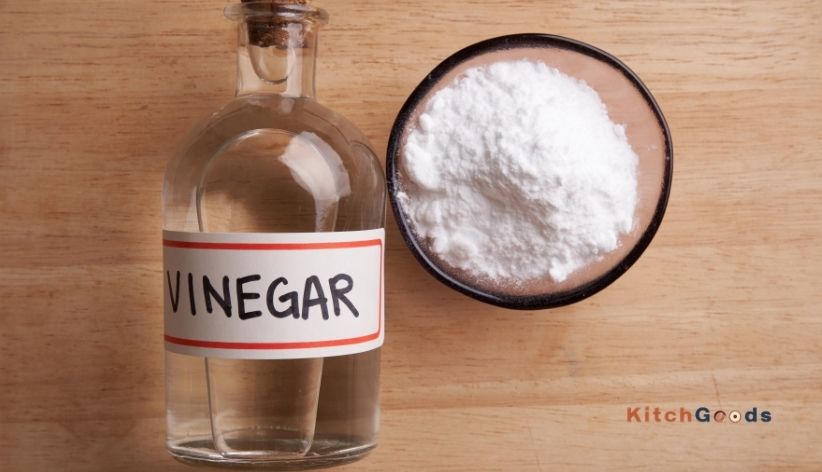
When it comes to cleaning your kitchen, you probably want a solution that’s safe, effective, and easy to find. You’ve likely heard about baking soda and vinegar as natural cleaning heroes, but which one really gets the job done better?
Choosing the right cleaner can save you time, effort, and even money. You’ll discover how baking soda and vinegar work, their strengths and weaknesses, and which one fits your cleaning needs best. Keep reading to find out which natural ingredient should be your go-to for a sparkling kitchen.
Properties Of Baking Soda
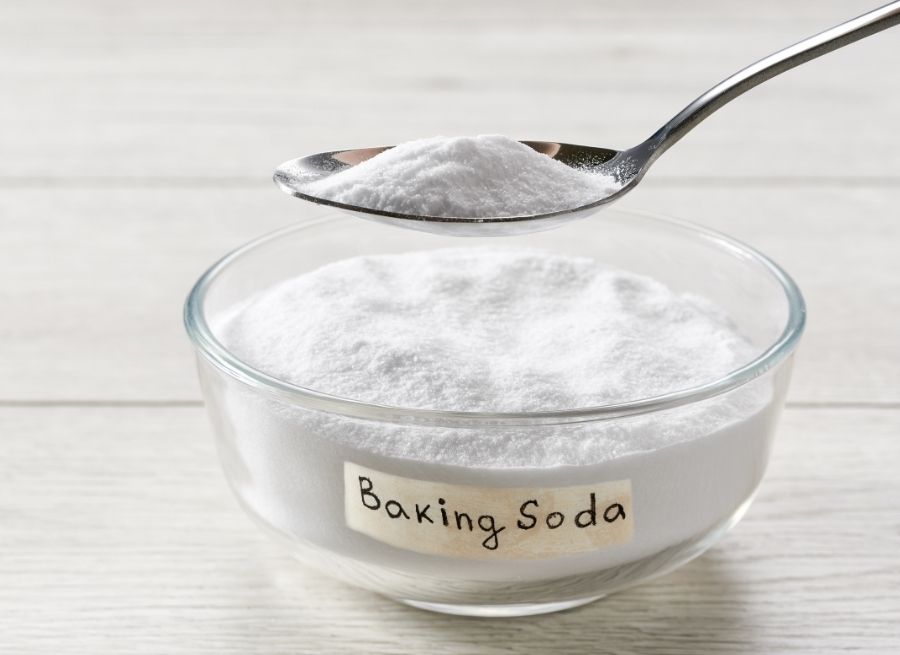
Baking soda is a common ingredient in many kitchens. It has unique properties that make it useful for cleaning. Understanding these properties helps explain why baking soda works well on many surfaces.
Chemical Composition
Baking soda is also called sodium bicarbonate. It is a white powder with a mild alkaline nature. This means it can neutralize acids and break down dirt. The chemical formula is NaHCO3. This simple makeup makes it safe and effective for cleaning tasks.
Cleaning Mechanism
Baking soda cleans by gentle abrasion. It scrubs away grime without scratching surfaces. It also reacts with acids to produce carbon dioxide gas. This bubbling action helps lift dirt and stains. Baking soda absorbs odors by neutralizing acidic and basic molecules. This makes it great for freshening up kitchens.
Safety And Environmental Impact
Baking soda is safe to use around children and pets. It does not release harmful chemicals or fumes. It breaks down naturally in the environment. Baking soda is biodegradable and non-toxic. It offers an eco-friendly cleaning option compared to harsh chemicals.
Properties Of Vinegar
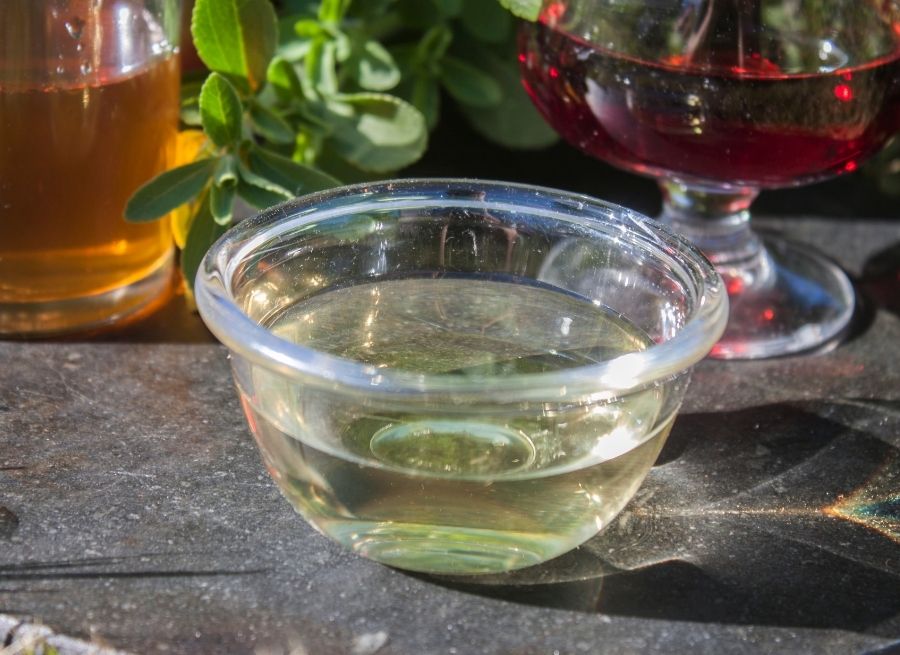
Vinegar is a common kitchen staple used for cleaning. It has unique properties that help remove dirt, grease, and stains. Understanding these properties explains why vinegar is effective for many cleaning tasks. Let’s explore the details of vinegar’s composition, how it cleans, and its safety for users and the environment.
Chemical Composition
Vinegar mainly contains acetic acid and water. The acetic acid concentration usually ranges from 4% to 8%. This acid gives vinegar its sour taste and strong smell. The acid helps break down minerals, grease, and grime on surfaces. Besides acetic acid, vinegar may have small amounts of other acids and trace minerals. This simple chemical mix makes vinegar a natural cleaner.
Cleaning Mechanism
Vinegar cleans by dissolving dirt and mineral deposits. The acetic acid reacts with alkaline substances like soap scum and hard water stains. This reaction breaks them into smaller pieces that wash away easily. Vinegar also kills some bacteria and mold, reducing germs on surfaces. It works well on glass, countertops, and kitchen appliances. Its acidity helps remove odors by neutralizing alkaline smells.
Safety And Environmental Impact
Vinegar is safe for most cleaning jobs around the kitchen. It is non-toxic and does not release harmful fumes. This makes it a good choice for homes with children or pets. Vinegar is biodegradable, so it breaks down naturally in the environment. It does not pollute water or soil like some chemical cleaners. Despite being acidic, it is gentle enough for many surfaces if used correctly.
Effectiveness On Different Surfaces
Cleaning different kitchen surfaces needs different care and products. Baking soda and vinegar are popular natural cleaners. Each one works better on certain surfaces. Understanding their strengths helps to choose the right cleaner for each task.
Countertops And Tiles
Baking soda gently cleans countertops and tiles without scratching. It lifts dirt and removes grime well. Vinegar cuts grease and disinfects tiles effectively. Avoid vinegar on natural stone countertops. It can dull and damage the surface over time.
Glass And Mirrors
Vinegar shines glass and mirrors with no streaks. It breaks down water spots and smudges fast. Baking soda is too abrasive for glass. It may leave scratches and marks behind.
Stains And Odors
Baking soda neutralizes odors and lifts stains from surfaces. It works well on fabric, carpets, and trash bins. Vinegar also removes odors but can leave a smell if not rinsed well. Baking soda is better for long-lasting freshness.
Metal And Stainless Steel
Baking soda cleans metal and stainless steel gently. It removes tarnish and food stains without harm. Vinegar removes mineral deposits and shines metal surfaces. Use both carefully to avoid damage or dullness.
Common Kitchen Cleaning Tasks
Kitchen cleaning involves many tasks that keep your space fresh and safe. Dirt, grease, and odors build up quickly. Choosing the right cleaner saves time and effort. Both baking soda and vinegar are common natural options. Each works well for certain tasks.
Removing Grease And Grime
Baking soda scrubs away grease without scratching surfaces. Sprinkle it on greasy spots and scrub with a damp cloth. Vinegar dissolves grease by breaking down oils. Spray vinegar on grime and wipe clean. For tough grease, combine baking soda and vinegar for a fizzing action that lifts dirt.
Unclogging Drains
Baking soda and vinegar create a natural drain cleaner. Pour baking soda down the drain first. Follow with vinegar and wait for fizzing. This reaction helps loosen clogs and breaks down buildup. Flush the drain with hot water after to clear debris. This method works well for slow drains.
Deodorizing The Refrigerator
Baking soda absorbs strong fridge odors effectively. Place an open box inside to keep the air fresh. Vinegar removes smells by neutralizing bacteria. Wipe the fridge interior with a vinegar solution for a clean scent. Both keep the fridge smelling fresh without harsh chemicals.
Cleaning Appliances
Baking soda gently cleans appliance surfaces and removes stains. Make a paste with water and scrub tough spots. Vinegar cleans glass, stainless steel, and microwaves. Spray vinegar and wipe to remove fingerprints and smudges. Use baking soda and vinegar carefully to protect appliance finishes.
Comparing Cleaning Power
Cleaning the kitchen requires products that really work. Baking soda and vinegar are popular choices. Both have unique qualities that help with different cleaning tasks. Understanding their cleaning power helps you pick the right one.
Stain Removal
Baking soda gently scrubs away stains. It works well on baked-on food and grease. Sprinkle it on stains, add a little water, then scrub. Vinegar breaks down mineral deposits and some stains too. It is good for cutting through grime on surfaces. For tough stains, a mix of baking soda and vinegar can be effective.
Disinfection
Vinegar is a natural disinfectant. It kills many types of bacteria and germs. Use it on cutting boards and countertops to reduce bacteria. Baking soda does not kill germs well. It helps clean dirt but does not disinfect. Vinegar is better for keeping your kitchen hygienic.
Deodorizing Abilities
Baking soda neutralizes bad smells. It absorbs odors from the fridge, trash cans, and sinks. Vinegar also removes odors by cutting through them. It leaves a fresh scent after it dries. Both help keep your kitchen smelling clean and fresh.
How To Use Baking Soda And Vinegar Safely
Using baking soda and vinegar for kitchen cleaning is safe when done correctly. These natural cleaners can remove stains and odors effectively. Proper use helps avoid damage and keeps your home safe. Follow simple steps for mixing, applying, and storing these ingredients.
Proper Mixing Techniques
Never mix baking soda and vinegar in a closed container. The reaction creates gas that can cause pressure. Always mix them in an open bowl or sink. Use small amounts at a time for safety. Let the fizz settle before wiping or rinsing.
Avoiding Damage To Surfaces
Baking soda is gentle but can scratch delicate surfaces like glass. Test a small spot first. Vinegar is acidic and may harm natural stone or wood. Avoid using vinegar on marble, granite, or hardwood. Use a soft cloth or sponge for cleaning.
Handling And Storage Tips
Store baking soda in a cool, dry place. Keep vinegar tightly sealed to prevent spills and odors. Use clean containers to avoid contamination. Wear gloves if you have sensitive skin. Keep both products out of reach of children and pets.
When To Choose Baking Soda
Baking soda is a popular choice for many kitchen cleaning tasks. It works well on many surfaces and is gentle yet effective. Knowing when to use baking soda helps keep your kitchen clean without damage. It is a mild abrasive and deodorizer, making it useful in many situations.
Best Uses
Baking soda cleans tough stains on pots, pans, and sinks. It removes grime without scratching surfaces. It deodorizes refrigerators, trash cans, and cutting boards. It freshens carpets and upholstery by absorbing odors. Baking soda also unclogs drains when mixed with hot water. It brightens dull cookware and removes grease spots.
Limitations
Baking soda does not work well on heavy grease or sticky residue. It cannot kill bacteria or disinfect surfaces. It may leave a powdery residue if not rinsed properly. Avoid using baking soda on aluminum as it can cause discoloration. It is not effective on hard water stains or rust. For strong cleaning, other products might be better.
When To Choose Vinegar
Vinegar is a popular natural cleaner for many kitchen tasks. Its acidity helps break down grease and kill some germs. Knowing when to choose vinegar makes cleaning easier and more effective.
Best Uses
Vinegar works great on glass surfaces and mirrors. It leaves them streak-free and shiny. It also removes hard water stains and mineral deposits. Use vinegar to clean coffee makers and kettles safely. It cuts through grease on stove tops and counters. Vinegar can deodorize the fridge and trash cans. It helps dissolve soap scum in sinks and tubs. Vinegar is perfect for cleaning cutting boards and utensils.
Limitations
Avoid vinegar on natural stone like granite or marble. It can dull and damage these surfaces. Vinegar may not kill all types of bacteria or viruses. It is less effective on heavy grease or baked-on food. Use caution on hardwood floors, as vinegar can harm the finish. Vinegar’s strong smell may linger for a short time. Do not mix vinegar with bleach or ammonia. The combination creates harmful fumes.
Combining Baking Soda And Vinegar
Combining baking soda and vinegar creates a unique cleaning effect. Many people use them together to tackle tough kitchen messes. The mix produces a fizzy reaction that helps break down grime and unclog drains. Understanding how this combination works can help you clean smarter.
Reaction And Cleaning Effects
Baking soda is a base. Vinegar is an acid. When mixed, they react and form carbon dioxide gas. This causes fizzing and bubbling. The reaction loosens dirt and debris on surfaces. It helps clear clogged drains by breaking up buildup. The fizz lifts grime from sinks and countertops. This combination also deodorizes and removes stains.
When To Use Together
Use baking soda and vinegar together for clogged drains. The fizzing action clears blockages effectively. It works well on greasy stovetops and ovens. The mix can remove tough stains on kitchen surfaces. It is also helpful for cleaning coffee makers and microwaves. The combination is best for deep cleaning tasks.
Precautions
Do not mix baking soda and vinegar in a closed container. The gas can cause pressure to build and make the container burst. Avoid using this mix on natural stone, like granite or marble. The acid can damage these surfaces. Always rinse surfaces well after cleaning. Test on a small area to avoid damage.
Frequently Asked Questions
Which Cleans Kitchen Surfaces Better, Baking Soda Or Vinegar?
Baking soda is great for scrubbing and deodorizing. Vinegar excels at cutting grease and dissolving mineral deposits. Use baking soda for tough stains and vinegar for shine and grime removal.
Can Baking Soda And Vinegar Be Used Together For Cleaning?
Yes, mixing baking soda and vinegar creates a fizzing reaction. This helps loosen dirt and unclog drains. However, use them separately for best cleaning results on most surfaces.
Is Vinegar Safe For All Kitchen Surfaces?
Vinegar is safe on glass, stainless steel, and tile. Avoid using vinegar on natural stone like granite or marble. It can etch and damage these surfaces over time.
How Does Baking Soda Remove Odors In The Kitchen?
Baking soda neutralizes acidic and basic odor molecules. It absorbs smells without masking them. Sprinkle it on surfaces or in trash bins to keep your kitchen fresh.
Conclusion
Both baking soda and vinegar clean kitchens well. Baking soda works best for scrubbing and deodorizing. Vinegar shines at cutting grease and killing germs. Sometimes, mixing them can help with tough stains. Choose based on the mess you face. Keep both handy for different cleaning needs.
Simple, natural, and safe options for your kitchen. Cleaning does not have to be hard. Try each and see which suits you best.