Your wooden cutting board is more than just a kitchen tool—it’s where you prepare your meals, and it deserves the best care. But are you sure you’re cleaning it the right way?
Using the wrong methods can damage the wood or leave harmful bacteria behind. You’ll discover simple, effective steps to keep your wooden cutting board clean, safe, and long-lasting. Read on to learn how to protect your board and ensure every meal starts on a fresh, healthy surface.
Choosing The Right Cleaning Tools
Choosing the right tools makes cleaning your wooden cutting board easier and safer. The tools affect how well you remove food and bacteria. The wrong tools can damage the wood or leave it dirty. Use tools that clean gently but thoroughly. This keeps your board in good shape for a long time.
Soft Brushes And Sponges
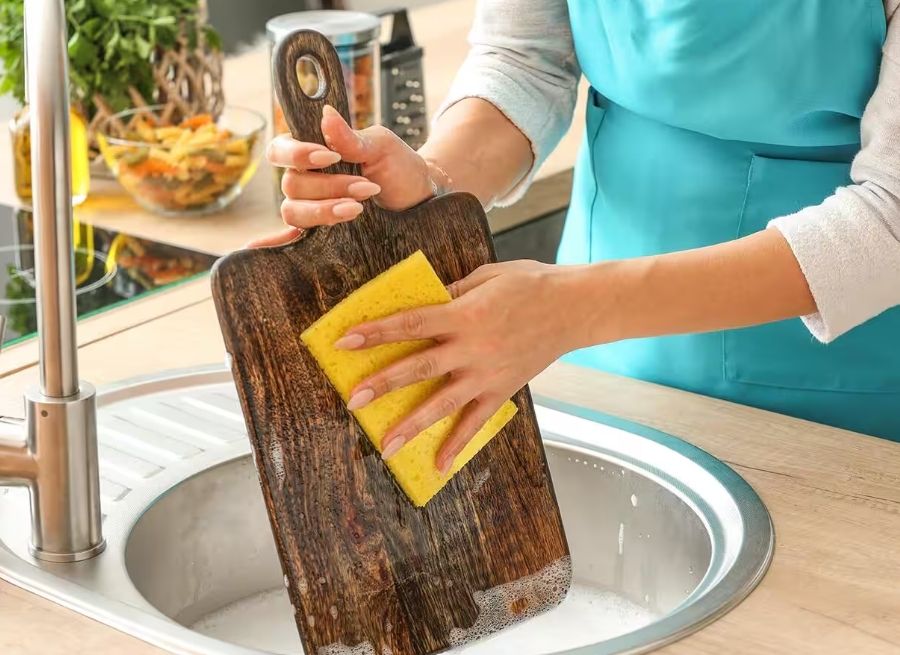
Soft brushes and sponges clean without scratching the wood surface. Hard bristles can leave marks and wear down the board. Choose brushes with soft, natural bristles or sponges that are smooth. These tools help remove food particles and stains. Avoid steel wool or rough scrubbers that harm the wood.
Safe Cleaning Agents
Use mild and natural cleaning agents on wooden boards. Harsh chemicals can dry out and crack the wood. Soap with warm water works well to remove grease and dirt. Vinegar diluted with water is a good option for disinfecting. Avoid bleach or strong detergents that weaken the board’s surface.
Daily Cleaning Steps
Daily cleaning of a wooden cutting board keeps it safe and lasts longer. Dirt, food bits, and bacteria must go after every use. Follow simple steps to keep your board fresh and clean.
Rinsing And Scrubbing
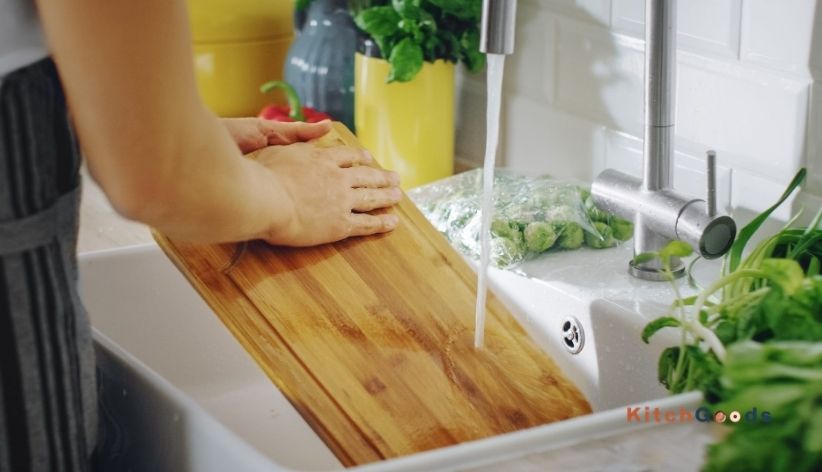
Start by rinsing the board under warm water. Use a soft sponge or brush to scrub gently. Avoid harsh soaps that can damage the wood. Use mild dish soap if needed to remove grease. Scrub all surfaces, including edges, for thorough cleaning.
Rinse again to wash off soap and debris. Never soak the board in water. Too much water can cause the wood to swell and crack.
Drying Properly
Dry the board immediately after washing. Use a clean towel to wipe away water. Stand the board upright to air dry completely.
Proper drying prevents moisture buildup and mold growth. Never leave the board flat or wet. Dry wood stays strong and bacteria-free longer.
Deep Cleaning Techniques
Deep cleaning a wooden cutting board is key for hygiene and longevity. Dirt and bacteria hide in tiny cuts and pores. Simple daily washing may not remove all grime. Stronger cleaning methods help keep your board fresh and safe. Use natural ingredients that protect the wood while killing germs. These techniques do not harm the surface but clean deeply.
Using Salt And Lemon
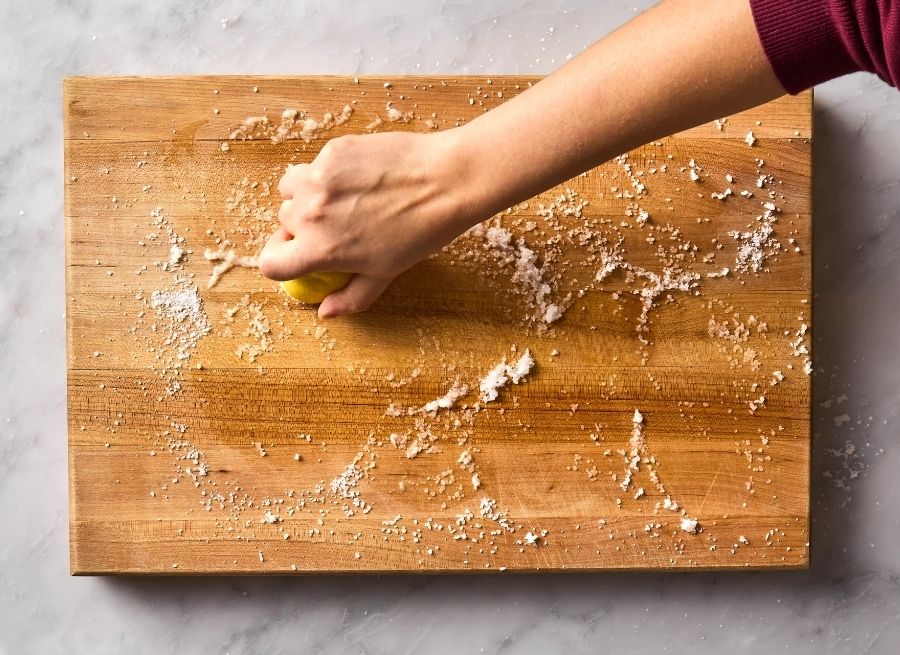
Sprinkle coarse salt over the board’s surface. Cut a lemon in half and rub it on the salt. The lemon juice breaks down stains and kills bacteria. Salt acts as a gentle scrub to remove stuck particles. Let the mixture sit for five minutes. Rinse with warm water and dry with a clean towel. This method brightens the wood and removes odors.
Applying Vinegar Solutions
Mix equal parts white vinegar and water in a spray bottle. Spray the solution generously over the cutting board. Vinegar is a natural disinfectant that kills many bacteria. Let it sit for a few minutes to work properly. Wipe the board with a clean cloth or sponge. Rinse with water and dry thoroughly. Vinegar helps keep the wood clean and prevents mold growth.
Removing Stains And Odors
Wooden cutting boards absorb stains and odors easily. These can make your board look dirty and smell unpleasant. Removing stains and odors keeps your board fresh and safe to use. Simple household ingredients can do the job well. This section shows easy ways to clean your wooden cutting board deeply.
Baking Soda Treatments
Baking soda is a gentle and natural cleaner. Sprinkle baking soda over the stained areas. Add a little water to form a paste. Rub the paste into the stains using a soft cloth or sponge. Let it sit for 10 minutes. Rinse the board with warm water. Dry it completely with a clean towel. Repeat if stains remain. Baking soda also helps lift tough grime from the wood.
Odor Neutralizing Tips
Lemon juice and salt work well to remove smells. Cut a lemon in half and sprinkle salt on the cut side. Rub the lemon over the board’s surface. The acid breaks down odors, and salt scrubs away residue. Let it sit for 5 minutes. Rinse with warm water and dry thoroughly. Another option is vinegar. Wipe the board with white vinegar. It kills bacteria that cause odors. Always dry your board well to avoid new smells.
Maintaining Your Board’s Longevity
Wooden cutting boards need care to last long. Proper maintenance keeps the wood strong and safe. Simple steps can stop cracks and warping. This section explains how to care for your board.
Regular Oiling
Oiling your board keeps it from drying out. Use food-grade mineral oil for best results. Apply oil evenly with a soft cloth. Let it soak in for a few hours. Wipe off any extra oil after that. Oil your board once a month or more. This step creates a barrier against moisture.
Avoiding Water Damage
Water can ruin wooden boards quickly. Do not soak your board in water. Wash it with a damp cloth or sponge instead. Dry the board immediately after washing. Stand it up to air dry completely. Avoid putting your board in the dishwasher. These actions help prevent cracks and mold growth.
When To Replace Your Wooden Cutting Board
Wooden cutting boards are durable but not forever. Knowing when to replace your board keeps your kitchen safe and clean. Watch for clear signs that your board has worn out. Don’t wait too long to swap it out. This helps avoid health risks and keeps your food prep safe.
Signs Of Wear And Tear
Cracks or deep cuts on the board are bad signs. These gaps trap bacteria and are hard to clean. Warping or splitting means the board lost its shape. A rough, splintered surface can hurt your hands. If the wood feels soft or crumbly, it’s time to replace it. These signs show the board is too worn for safe use.
Health And Safety Considerations
Bacteria hide in cuts and cracks, causing illness. Old boards can contaminate food easily. Wooden boards absorb liquids, making them a breeding ground for germs. If cleaning doesn’t remove stains or smells, replace the board. Using a damaged board risks food poisoning. Keep your kitchen safe by changing the board when it looks unhealthy.
Frequently Asked Questions
How Often Should I Clean My Wooden Cutting Board?
You should clean your wooden cutting board after every use. Immediate cleaning prevents bacteria build-up and food stains. Regular cleaning keeps the board safe and extends its lifespan. Always dry the board thoroughly to avoid warping or cracking.
Can I Use Soap To Clean Wooden Cutting Boards?
Yes, mild dish soap with warm water is safe for wooden boards. Avoid harsh detergents or soaking, which can damage the wood. Use a soft sponge to scrub gently. Rinse well and dry immediately to maintain board quality.
How Do I Remove Odors From A Wooden Cutting Board?
Sprinkle coarse salt or baking soda on the board’s surface. Rub with half a lemon to deodorize naturally. Let it sit for 5-10 minutes, then rinse with warm water. Dry the board thoroughly to prevent moisture damage.
Is It Safe To Put Wooden Cutting Boards In The Dishwasher?
No, avoid putting wooden cutting boards in the dishwasher. High heat and water can cause wood to warp and crack. Instead, wash by hand with mild soap and warm water. Dry the board immediately after washing.
Conclusion
Keeping your wooden cutting board clean protects your food and lasts longer. Use gentle soap and warm water after each use. Avoid soaking it or putting it in the dishwasher. Dry it well to stop cracks and warping. Treat the board with oil regularly to keep it healthy.
Clean boards help keep your kitchen safe and fresh. Small steps make a big difference. Take care of your board, and it will serve you well for years. Simple habits lead to great results.