Last Updated on October 4, 2026
Have you ever looked at a burnt pan and felt stuck, unsure how to clean it without making things worse? You’re not alone.
Burnt pans can seem impossible to fix, and using the wrong method might damage them permanently. But what if you could restore your pans quickly and safely, without scrubbing yourself sore or wasting money on harsh cleaners? You’ll discover simple, effective ways to clean burnt pans that protect your cookware and save you time.
Keep reading, and you’ll never stress over burnt pans again.
Types Of Burnt Pans
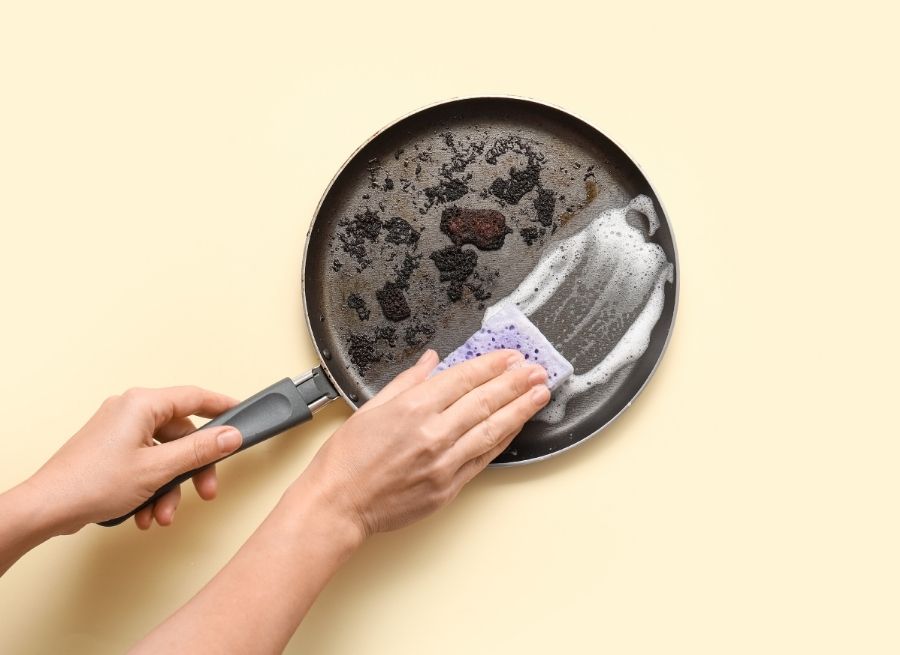
Burnt pans come in many types, and each needs different care. Using the wrong cleaning method can damage the pan. Knowing your pan type helps you clean it safely and well. Here are common types of burnt pans and how to treat them.
Nonstick Pans
Nonstick pans have a special coating that stops food from sticking. Burnt food can ruin this coating if cleaned harshly. Use gentle scrubbers and mild cleaners only. Avoid steel wool or strong chemicals. Soak the pan in warm, soapy water to loosen burnt bits.
Stainless Steel Pans
Stainless steel pans are tough and can handle stronger cleaning. Burnt food may stick firmly. Use scrubbers and baking soda or vinegar to remove burnt spots. Avoid bleach or harsh chemicals that can dull the shine. Scrub gently but firmly to keep the surface smooth.
Cast Iron Pans
Cast iron pans build seasoning over time, helping with cooking. Burnt food can be tricky to clean without harming this layer. Avoid soap and harsh scrubbing. Use coarse salt and a brush to scrub burnt areas. Rinse with hot water and dry quickly to stop rust.
Copper And Aluminum Pans
Copper and aluminum pans heat evenly but can scratch easily. Burnt residue should be removed with care. Use soft cloths and mild cleaners. Avoid abrasive pads or strong acids. A mix of lemon juice and salt can help clean gently without damage.
Essential Cleaning Supplies
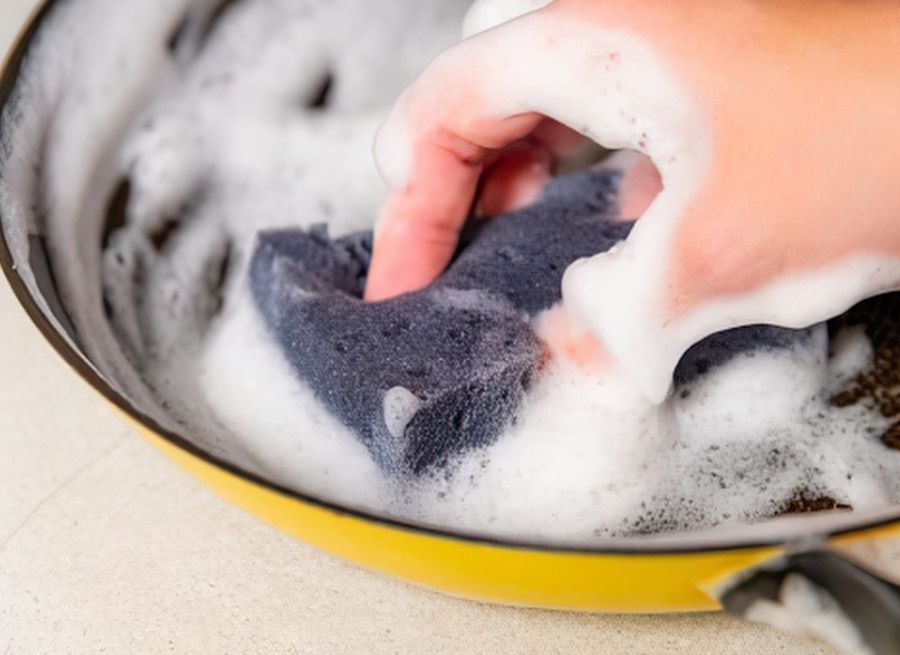
Cleaning burnt pans needs the right supplies to avoid damage. Using proper ingredients and tools saves time and effort. Choose gentle options that clean well without scratching or harming your pans.
Natural Ingredients
Baking soda and vinegar work well to lift burnt food. Lemon juice helps break down grease and adds freshness. Salt can scrub tough spots without scratching surfaces. These natural items are safe and eco-friendly for most pans.
Commercial Cleaners
Many commercial cleaners target burnt stains effectively. Choose ones made for your pan’s material, such as stainless steel or nonstick. Read labels carefully to avoid harsh chemicals that cause damage. Use sparingly and follow instructions to protect your cookware.
Tools And Brushes
Soft sponges or nylon scrubbers clean without scratching. Avoid steel wool on nonstick surfaces. A plastic scraper helps remove stuck-on bits gently. Use brushes with soft bristles for delicate pans. Proper tools prevent damage during cleaning.
Pre-cleaning Steps
Cleaning burnt pans requires careful preparation. Pre-cleaning steps help soften tough stains. They make the cleaning process easier and protect the pan’s surface. Start with simple actions to remove loose dirt and grime. Then use soaking methods to loosen burnt food. These steps save time and avoid damage.
Soaking Techniques
Fill the pan with warm water. Add a few drops of dish soap. Let it sit for 30 minutes or longer. Warm water helps break down burnt residue. For stubborn stains, add a tablespoon of baking soda. Soak overnight for better results. Avoid harsh chemicals that can harm the pan’s coating.
Removing Loose Debris
After soaking, gently scrape off loose food. Use a soft sponge or plastic scraper. Avoid metal scrubbers that scratch the surface. Rinse the pan with warm water. Check for remaining stuck particles. Repeat soaking if needed. This step prepares the pan for deeper cleaning.
Cleaning Methods For Nonstick Pans
Nonstick pans need special care to keep their coating safe. Cleaning burnt pans without damage takes gentle methods. Strong scrubbing or harsh chemicals can ruin the surface. Using the right techniques helps keep your pans working well for a long time.
Below are simple, effective ways to clean burnt nonstick pans.
Gentle Scrubbing
Use a soft sponge or cloth for cleaning. Avoid metal scrubbers that can scratch the coating. Soak the pan in warm, soapy water first. This loosens burnt food and makes scrubbing easier. Lightly rub the surface to remove residue. Rinse well and dry with a soft towel.
Avoiding Harsh Chemicals
Stay away from bleach or strong cleaners. These can damage the nonstick layer. Use mild dish soap for washing. Baking soda mixed with water creates a gentle paste for tough spots. Apply the paste carefully and scrub softly. Rinse fully to remove all traces of cleaner.
Cleaning Stainless Steel Pans
Stainless steel pans are strong and last a long time. They can get burnt food stuck, which is hard to clean. Using the right methods keeps the pans shiny and safe to use. Harsh scrubbing can scratch the surface. Gentle cleaning helps keep the pan looking new.
Two easy and safe ways to clean burnt stainless steel pans are baking soda with vinegar and polishing. These methods remove stains without harm. They restore the pan’s shine and remove tough marks.
Using Baking Soda And Vinegar
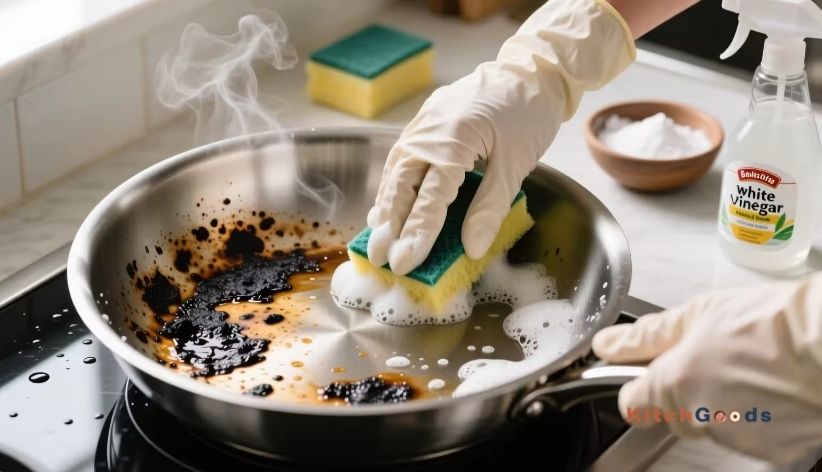
Sprinkle baking soda over the burnt areas. Pour a little vinegar on top. The mixture will bubble and fizz. Let it sit for 10 minutes. Use a soft sponge to scrub gently. The burnt food will start to lift.
Rinse the pan with warm water. Repeat if needed. This method breaks down burnt bits without scratching. Baking soda is a mild abrasive that cleans well. Vinegar helps dissolve tough stains and odors.
Polishing Tips
After cleaning, dry the pan completely. Use a soft cloth for polishing. Apply a small amount of olive oil or special stainless steel cleaner. Rub in circular motions. This step restores shine and removes water spots.
Polishing protects the surface from future stains. It also makes the pan look new again. Avoid abrasive pads or steel wool. They can leave marks and damage the finish.
Restoring Cast Iron Pans
Cast iron pans are strong and last for many years if cared for properly. Restoring them after burning food is possible without damage. This keeps the pan useful and safe for cooking.
Cleaning burnt cast iron needs care. Harsh scrubbing or chemicals can harm the pan’s surface. The goal is to remove burnt bits gently and bring back the pan’s smooth, non-stick coating.
Removing Burnt Residue
Start by letting the pan cool down. Avoid sudden temperature changes to prevent cracks. Use warm water and a soft brush or sponge to scrub the burnt area. Avoid soap, as it can remove the pan’s seasoning.
If residue is tough, sprinkle coarse salt on it. Use the salt as a scrub with a paper towel or cloth. This method cleans without scratching the surface. Rinse with warm water and dry the pan immediately to stop rust.
Re-seasoning Process
Seasoning protects the pan and keeps food from sticking. After cleaning, dry the pan completely. Apply a thin layer of cooking oil, such as vegetable oil, all over the pan.
Place the pan upside down in an oven heated to 350°F (175°C). Bake for one hour to let the oil bond with the pan’s surface. Turn off the oven and let the pan cool inside.
This process creates a strong, protective layer. It makes the pan ready for cooking again. Regular seasoning keeps the cast iron in great shape and improves its performance.
Cleaning Copper And Aluminum Pans
Copper and aluminum pans look beautiful but need special care. Their materials react differently to cleaning methods than stainless steel or cast iron. Using harsh scrubbing or wrong cleaners can damage their surfaces. Proper cleaning keeps pans shiny and extends their life.
Burnt food and stains can be tough to remove. Gentle methods help avoid scratches and discoloration. Understanding which cleaning agents are safe is key. Also, knowing how to prevent tarnish keeps pans looking new longer.
Safe Cleaning Agents
Use mild dish soap and warm water for daily cleaning. Avoid abrasive powders or steel wool. They scratch the metal surface easily. For burnt spots, try a paste made of baking soda and water. Apply gently with a soft cloth or sponge. White vinegar also works well on copper stains. Soak the pan briefly, then rinse thoroughly. Lemon juice helps remove tarnish without harm.
Special copper cleaners are available but use them sparingly. Always follow the product instructions. Test cleaners on a small area first to check for reactions.
Preventing Tarnish
Dry pans completely after washing to stop water spots. Store copper and aluminum in a dry place. Avoid leaving food in the pan for long periods. Acidic foods can speed up tarnishing. Regular polishing with a soft cloth removes dullness. A thin layer of oil can protect copper from air exposure. This simple step slows down the tarnish process. Clean pans often to keep them bright and shiny.
Avoiding Damage During Cleaning
Cleaning burnt pans can be tricky. You want to remove the burnt parts without hurting the pan. Some cleaning methods can damage the pan’s surface or coating. Knowing how to avoid these mistakes helps keep your pans safe and lasting longer.
Common Mistakes To Avoid
Using metal scrubbers can scratch the pan’s surface. Avoid harsh chemicals that can wear down the material. Scrubbing too hard may cause dents or chips. Let burnt food soak first to make cleaning easier. Do not use abrasive powders on non-stick pans.
Protecting Pan Coatings
Non-stick coatings need gentle care. Use soft sponges or cloths for cleaning. Avoid steel wool or rough brushes. Clean with mild dish soap and warm water. Dry pans completely before storing to prevent damage. Proper care keeps the coating smooth and effective.
Maintenance Tips To Prevent Burnt Pans
Burnt pans can ruin meals and cause frustration. Preventing burns extends your pan’s life and saves cleaning time. Simple habits in cooking and cleaning help avoid tough stains and damage.
Follow these tips to keep your pans in great shape and cooking smoothly every time.
Proper Cooking Practices
Use the right heat for your pan type. High heat can burn food quickly and damage the pan’s surface. Preheat pans on low or medium heat. Avoid leaving empty pans on the stove for long periods. Stir food often to prevent sticking and burning. Use enough oil or butter to create a barrier between food and pan. Always follow your pan manufacturer’s instructions for use and care.
Regular Cleaning Routines
Clean pans immediately after use to stop food from hardening. Use warm water and mild dish soap. Avoid harsh scrubbing tools that scratch the pan surface. For stuck food, soak the pan in warm water before cleaning. Dry pans thoroughly to prevent rust. Use a soft cloth or sponge for cleaning. Regular cleaning keeps pans ready for your next meal without burnt buildup.
Frequently Asked Questions
How Can I Clean Burnt Pans Without Scratching Them?
Use gentle scrubbing tools like sponges or nylon brushes. Avoid steel wool or harsh abrasives. Soak the pan in warm, soapy water first to loosen burnt residue. This prevents damage and keeps your pan’s surface intact.
What Natural Ingredients Remove Burnt Stains From Pans?
Baking soda, vinegar, and lemon are effective natural cleaners. Sprinkle baking soda on the burnt area, add vinegar, and let it fizz. After soaking, scrub gently. These ingredients break down burnt food without harsh chemicals.
Is It Safe To Use Baking Soda On All Pans?
Yes, baking soda is safe for most pan types, including stainless steel and non-stick. It’s a mild abrasive that removes stains without damage. However, avoid using it on aluminum pans, as it can discolor the surface.
How Long Should I Soak A Burnt Pan For Cleaning?
Soak the burnt pan for at least 30 minutes to a few hours. For tough stains, overnight soaking works best. This softens burnt food, making it easier to clean without excessive scrubbing.
Conclusion
Cleaning burnt pans does not have to be hard or scary. Use gentle methods to protect your pans. Patience helps to remove tough stains safely. Avoid harsh scrubbing to keep your pans lasting longer. Simple household items often work best.
Regular care prevents future burns and damage. Enjoy cooking with clean, well-maintained pans every day. Keep these tips in mind for easy cleaning next time. Your pans will thank you!