Last Updated on September 18, 2026
Choosing between ceramic and nonstick cookware can feel confusing, especially because the terms are often used in similar ways. Both are designed to help food release easily, both can make cleanup faster, and both are popular with everyday home cooks.
But ceramic cookware and traditional nonstick cookware are not exactly the same. They differ in coating materials, heat tolerance, durability, maintenance, and how they perform with different foods. The better choice depends on how you cook, how often you cook, and what matters most to you in the kitchen.
This guide breaks down the differences in a simple, beginner-friendly way so you can decide which option fits your home cooking routine.
Quick Answer: Which One Is Better?
For most everyday home cooks, traditional nonstick cookware is usually better for eggs, pancakes, delicate foods, and easy food release. It tends to stay slick longer when cared for properly.Ceramic cookware is a good choice if you prefer a nonstick-style surface made without traditional PTFE coatings, and you mostly cook on low to medium heat. It is useful for simple meals, light sautéing, and cooks who like attractive, colorful cookware.
In short:
- Choose traditional nonstick if you want the easiest food release.
- Choose ceramic nonstick if you prefer a ceramic-style coating and cook gently.
- Choose stainless steel or cast iron if you need high-heat searing or long-term durability.
Neither ceramic nor traditional nonstick is perfect for every task. Both work best when used with the right heat level, utensils, and cleaning habits.
What Is Ceramic Cookware?
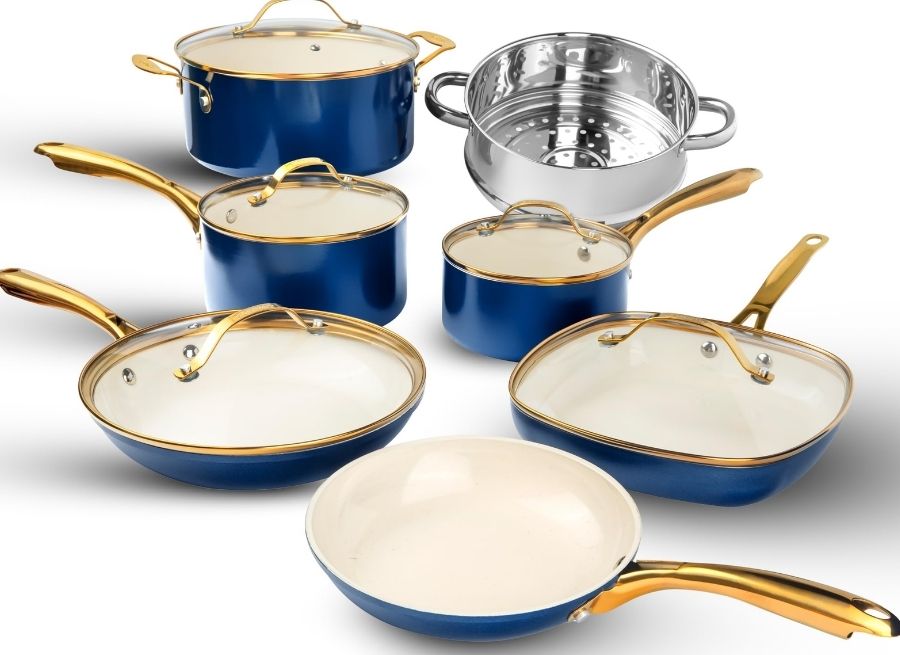
Ceramic cookware usually refers to cookware with a ceramic-based nonstick coating applied over a metal base, such as aluminum. It is not typically made from solid ceramic all the way through. Instead, the cooking surface has a smooth coating that helps reduce sticking.
Ceramic-coated pans are often marketed as a cleaner-looking or more natural-feeling alternative to traditional nonstick pans. They are commonly available in light colors such as cream, white, blue, green, or gray, which makes them popular in modern kitchens.
How Ceramic Cookware Performs
Ceramic cookware performs best with low to medium heat. It can be very smooth when new, especially for foods like eggs, vegetables, pancakes, and fish. However, ceramic coatings may lose their nonstick ability faster than traditional nonstick coatings if they are overheated, scratched, or cleaned with harsh tools.
Ceramic pans are not usually the best choice for high-heat searing. If you regularly cook steak, smash burgers, or foods that need deep browning, stainless steel or cast iron may be better.
Best Uses for Ceramic Cookware
Ceramic cookware works well for:
- Scrambled eggs
- Omelets
- Pancakes
- Sautéed vegetables
- Lightly cooked fish
- Grilled sandwiches
- Low-oil cooking
- Simple breakfast foods
It is a good option for gentle daily cooking, especially if you are careful with heat and cleaning.
What Is Traditional Nonstick Cookware?
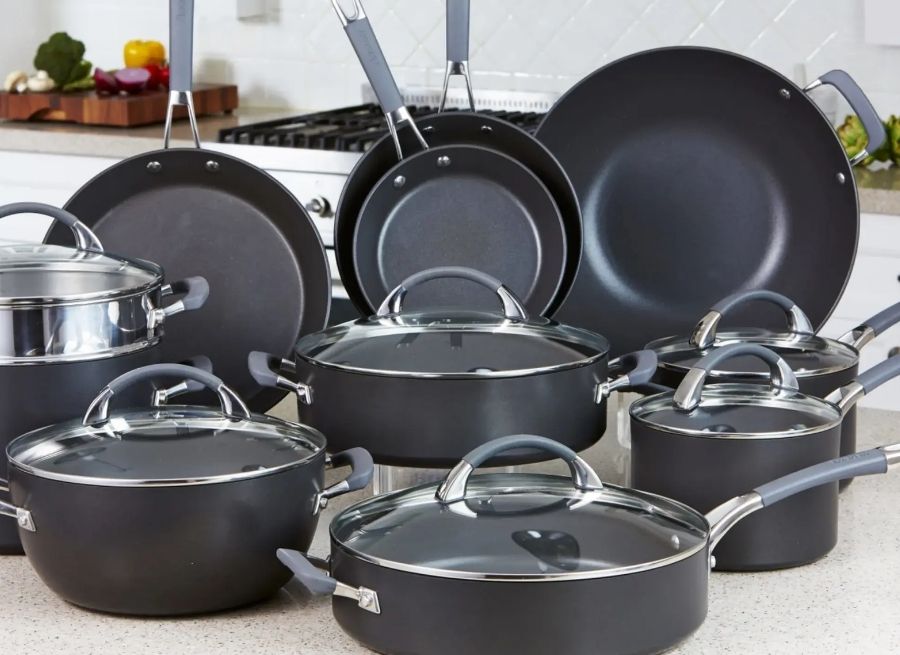
Traditional nonstick cookware usually refers to pans coated with a synthetic nonstick surface, often PTFE-based. This coating creates a very slick cooking surface that helps prevent food from sticking.
Traditional nonstick pans are especially popular for foods that are delicate or sticky. Eggs, crepes, pancakes, and fish are much easier to cook in a good nonstick pan than in stainless steel.
How Traditional Nonstick Cookware Performs
Traditional nonstick cookware is known for excellent food release. When the coating is in good condition, you can often cook with very little oil or butter. This makes it helpful for beginner cooks and anyone who wants fast cleanup.
Like ceramic cookware, traditional nonstick pans should not be used over very high heat. They are best for low to medium cooking temperatures. Overheating can damage the coating and shorten the life of the pan.
Best Uses for Traditional Nonstick Cookware
Traditional nonstick cookware works well for:
- Fried eggs
- Scrambled eggs
- Omelets
- Pancakes
- Crepes
- French toast
- Fish fillets
- Grilled cheese
- Reheating leftovers
If your main goal is reliable food release, traditional nonstick is usually the stronger choice.
Ceramic vs Nonstick Cookware: Side-by-Side Comparison
Here is a simple comparison to help you quickly understand the main differences.
| Feature | Ceramic Cookware | Traditional Nonstick Cookware |
|---|---|---|
| Food release | Good when new, may fade sooner | Excellent, usually more reliable |
| Best heat level | Low to medium | Low to medium |
| Durability | Can lose slickness faster | Often lasts longer with proper care |
| Cleaning | Easy, but needs gentle washing | Very easy, also needs gentle washing |
| Appearance | Often colorful and modern | Usually darker and more classic |
| Best for eggs | Good | Excellent |
| Best for searing | Not ideal | Not ideal |
| Utensils | Wood, silicone, nylon | Wood, silicone, nylon |
| Maintenance | Gentle care required | Gentle care required |
| Good for beginners | Yes | Yes, often easier |
Both types are convenient, but traditional nonstick usually wins for pure cooking performance, while ceramic often appeals to cooks who value appearance and coating preference.
The Food Release Test: Which One Is Less Sticky?
Food release is one of the biggest reasons people buy ceramic or nonstick cookware. Nobody wants eggs glued to the pan or pancakes that tear when flipped.
Traditional Nonstick Usually Releases Food Better
Traditional nonstick cookware generally has the advantage when it comes to slickness. Eggs slide more easily, pancakes flip with less effort, and delicate fish is less likely to break apart.
This is why many home cooks keep at least one traditional nonstick skillet, even if they use stainless steel, cast iron, or ceramic cookware for other tasks.
Ceramic Can Work Well, But Care Matters
Ceramic cookware can be very nonstick at first. The challenge is that the slick surface may become less effective over time, especially if the pan is exposed to high heat, cooking sprays, metal utensils, or abrasive cleaning pads.
If you choose ceramic, treat it gently from the beginning. This can help preserve the coating for longer.
Durability: Which Cookware Lasts Longer?
No nonstick-style pan lasts forever. Both ceramic and traditional nonstick cookware have coatings that wear down with use. The lifespan depends on quality, care, heat level, and how often the pan is used.
Traditional Nonstick Often Has Better Long-Term Slickness
A well-made traditional nonstick pan often keeps its food-release ability longer than ceramic. This is one reason it remains popular for everyday cooking.
However, it still needs proper care. Metal utensils, high heat, dishwasher cycles, and stacking without protection can shorten its lifespan.
Ceramic Coatings May Wear Faster
Ceramic cookware may look beautiful and perform well at first, but some ceramic coatings can lose their nonstick feel sooner. Once food starts sticking, it can be difficult to restore the original smoothness.
This does not mean ceramic is a bad choice. It simply means ceramic cookware works best for cooks who are willing to use lower heat and clean it carefully.
Safety Considerations for Ceramic and Nonstick Cookware
Cookware safety is an important topic, and it is easy to feel overwhelmed by conflicting information. The most practical advice is simple: use cookware according to the manufacturer’s instructions and avoid overheating coated pans.
Use Low to Medium Heat
Both ceramic and traditional nonstick cookware are designed for moderate heat. High heat can damage coatings and reduce performance.
For most everyday foods, medium heat is enough. Eggs, pancakes, vegetables, fish, and grilled sandwiches do not require high heat in a coated pan.
Avoid Overheating Empty Pans
An empty pan can become very hot quickly, especially if it is lightweight. Avoid leaving ceramic or nonstick cookware empty over a hot burner for several minutes.
Add oil, butter, or food shortly after preheating, and keep the burner at a controlled temperature.
Replace Damaged Cookware
If a pan is peeling, flaking, deeply scratched, or no longer cooking evenly, it is time to replace it. Damaged coatings are harder to clean, less effective, and not ideal for everyday cooking.
Cleaning and Maintenance: Which Is Easier?
Both ceramic and traditional nonstick cookware are easy to clean when used correctly. Most messes can be removed with warm water, mild dish soap, and a soft sponge.
Cleaning Ceramic Cookware
To clean ceramic cookware:
- Let the pan cool before washing.
- Use warm water and mild dish soap.
- Wipe with a soft sponge or cloth.
- Avoid steel wool and abrasive scrubbers.
- Dry completely before storing.
If food residue builds up, soak the pan in warm soapy water before wiping. Avoid harsh scraping.
Cleaning Traditional Nonstick Cookware
To clean traditional nonstick cookware:
- Let it cool after cooking.
- Wash by hand when possible.
- Use a soft sponge or dishcloth.
- Avoid metal scrubbers.
- Store with a pan protector if stacking.
Even if your pan is labeled dishwasher-safe, hand washing is usually gentler and may help the coating last longer.
Avoid Aerosol Cooking Sprays
Aerosol cooking sprays can leave a sticky film that builds up over time. This can make both ceramic and nonstick pans feel less slick.
Instead, use a small amount of butter, oil, or a refillable oil sprayer.
Cooking Performance by Food Type
Different foods behave differently in ceramic and nonstick pans. Here is a practical breakdown for common home meals.
Eggs
Best choice: Traditional nonstick
Eggs are where traditional nonstick cookware shines. Fried eggs, scrambled eggs, and omelets usually release more easily from a traditional nonstick surface.
Ceramic can also work, especially when new, but it may require a little more oil or butter over time.
Pancakes and Crepes
Best choice: Traditional nonstick
Pancakes and crepes need even heat and easy flipping. Traditional nonstick is usually more reliable for this type of cooking.
Ceramic can perform well, but avoid overheating because hot spots may cause uneven browning.
Vegetables
Best choice: Either
Both ceramic and traditional nonstick pans work well for sautéed vegetables. Use medium heat and avoid overcrowding the pan.
If you want deeper browning, stainless steel or cast iron may be better.
Fish
Best choice: Traditional nonstick
Fish is delicate and can tear easily. A good traditional nonstick pan makes it easier to flip fillets without breaking them.
Ceramic can work for fish, but the surface must be in good condition.
Chicken and Meat
Best choice: Depends on the goal
For lightly browned chicken cutlets or turkey patties, either ceramic or traditional nonstick can work. For a deep sear, use stainless steel or cast iron instead.
Coated pans are not the best tools for very high-heat browning.
Pros and Cons of Ceramic Cookware
Ceramic cookware has several advantages, but it also has limitations.
Pros of Ceramic Cookware
- Smooth surface when new
- Often attractive and colorful
- Easy to clean
- Good for low to medium heat
- Useful for eggs, vegetables, and simple meals
- Popular with cooks who prefer ceramic-style coatings
Cons of Ceramic Cookware
- Nonstick performance may fade faster
- Not ideal for high heat
- Can be sensitive to cooking sprays
- Requires gentle cleaning
- May need more oil as it ages
- Coating can wear if stacked or scrubbed roughly
Ceramic is a good choice for careful cooks who value appearance and gentle cooking.
Pros and Cons of Traditional Nonstick Cookware
Traditional nonstick cookware is one of the easiest types of cookware to use, especially for beginners.
Pros of Traditional Nonstick Cookware
- Excellent food release
- Great for eggs and pancakes
- Beginner-friendly
- Easy to clean
- Requires less oil than many other pans
- Often more reliable over time than ceramic
- Widely available in many sizes and prices
Cons of Traditional Nonstick Cookware
- Not suitable for very high heat
- Coating can scratch
- Metal utensils should be avoided
- Needs replacement when worn or damaged
- Not the best choice for searing
- Some cooks prefer to avoid traditional nonstick coatings
Traditional nonstick is a practical choice for everyday convenience, especially if you cook a lot of breakfast foods or delicate ingredients.
Which One Should You Buy?
The best choice depends on your cooking habits. Use the guide below to match cookware to your kitchen needs.
Choose Ceramic Cookware If:
- You usually cook on low or medium heat.
- You like colorful or modern-looking cookware.
- You prefer a ceramic-style coating.
- You mostly cook eggs, vegetables, pancakes, and light meals.
- You are willing to wash by hand and use gentle utensils.
- You do not need heavy-duty searing performance.
Ceramic cookware is best for gentle everyday cooking and kitchens where appearance matters.
Choose Traditional Nonstick Cookware If:
- You want the easiest food release.
- You cook eggs often.
- You want a beginner-friendly pan.
- You make pancakes, crepes, or fish regularly.
- You want fast cleanup.
- You prefer reliable performance over decorative design.
Traditional nonstick is usually the better all-purpose choice for simple daily cooking.
Consider Owning Both If:
Many home cooks benefit from having both. For example:
- Use a traditional nonstick skillet for eggs, pancakes, and fish.
- Use a ceramic pan for vegetables, grilled sandwiches, and light cooking.
- Use stainless steel or cast iron for searing meats and high-heat cooking.
A balanced cookware set does not need to be large. A few well-chosen pieces can cover most daily meals.
Buying Tips for Ceramic and Nonstick Cookware
Before buying either type, look beyond color and price. A good pan should feel comfortable, heat evenly, and match your cooktop.
Check the Base Material
Many ceramic and nonstick pans are made with aluminum because it heats quickly and evenly. Heavier bases often perform better than very thin pans because they reduce hot spots.
If the pan feels extremely lightweight, it may heat unevenly or warp more easily.
Make Sure It Works With Your Cooktop
If you have an induction cooktop, check for induction compatibility. Not every ceramic or nonstick pan works on induction.
Look for a magnetic stainless steel base or clear labeling from the manufacturer.
Choose the Right Size
A 10-inch skillet is the most useful size for many kitchens. It is large enough for everyday meals but still easy to handle.
A 12-inch skillet is better for families or batch cooking. An 8-inch pan is useful for one or two eggs.
Look for a Comfortable Handle
The handle should feel sturdy, balanced, and easy to grip. If a pan is large, a helper handle can make it safer to lift when full.
Read Care Instructions Before Buying
Some pans are oven-safe, dishwasher-safe, or safe for certain temperatures. Others are more limited. Always check the care instructions so you know what to expect.
Common Mistakes That Shorten Cookware Life
Ceramic and traditional nonstick cookware can last longer when treated properly. Avoid these common mistakes:
- Using high heat too often
- Preheating an empty pan for too long
- Cutting food inside the pan
- Using metal utensils
- Scrubbing with steel wool
- Stacking pans without protection
- Using aerosol cooking sprays regularly
- Putting hot pans under cold water
- Ignoring peeling, flaking, or deep scratches
Small habits make a big difference. Gentle use is the key to keeping coated cookware in good condition.
Simple Care Routine for Coated Cookware
Here is an easy routine that works for both ceramic and traditional nonstick pans.
Before Cooking
- Use low or medium heat.
- Add a small amount of oil or butter if needed.
- Avoid long empty preheating.
- Use silicone, wood, or nylon utensils.
After Cooking
- Let the pan cool.
- Wash with warm soapy water.
- Use a soft sponge.
- Dry completely.
- Store with a pan protector if stacking.
This routine helps protect the coating and keeps the pan easier to use.
FAQs About Ceramic vs Nonstick Cookware
1. Is ceramic cookware better than nonstick?
Ceramic cookware is not always better. It is a good choice for low-to-medium heat cooking, but traditional nonstick usually offers better food release and may stay slick longer with proper care.
2. Which is better for eggs: ceramic or nonstick?
Traditional nonstick is usually better for eggs. It provides a slick surface that helps fried eggs, scrambled eggs, and omelets release more easily.
3. Does ceramic cookware last longer than nonstick?
Not usually. Ceramic coatings can lose their nonstick feel over time, especially if overheated or cleaned harshly. A quality traditional nonstick pan may keep its slickness longer.
4. Can I use metal utensils on ceramic or nonstick pans?
It is best to avoid metal utensils on both. Use silicone, wood, or nylon utensils to prevent scratches and protect the coating.
5. Are ceramic and nonstick pans dishwasher-safe?
Some are labeled dishwasher-safe, but hand washing is usually better. Warm water, mild soap, and a soft sponge are gentler on the coating.
Conclusion: Ceramic or Nonstick?
Ceramic and traditional nonstick cookware both have a place in the kitchen. If you want the easiest pan for eggs, pancakes, fish, and beginner-friendly cooking, traditional nonstick cookware is usually the better choice. It offers excellent food release, quick cleanup, and dependable everyday performance.
If you prefer a ceramic-style coating, enjoy colorful cookware, and mostly cook on low to medium heat, ceramic cookware can be a good fit. It works well for light meals, vegetables, breakfast foods, and simple home cooking when cared for gently.
The best choice is the one that matches your habits. For many kitchens, the most practical setup is a good traditional nonstick skillet for delicate foods, a ceramic pan for light cooking, and a stainless steel or cast iron pan for high-heat searing.
No matter which option you choose, proper care matters most. Use moderate heat, avoid metal utensils, wash gently, and replace pans when the coating becomes damaged. With the right pan and the right routine, everyday cooking becomes easier, cleaner, and more enjoyable.