Are your kitchen appliances breaking down sooner than they should? You might be making simple mistakes that wear them out faster without even realizing it.
These common errors can cost you time, money, and the hassle of unexpected repairs. But don’t worry—once you know what to avoid, you can keep your appliances running smoothly for years. Keep reading to discover the top 6 mistakes that damage kitchen appliances and how to protect your investment.
Your kitchen deserves better!

Overloading Appliances
Overloading kitchen appliances is a common mistake that many people make. It happens when too much food, dishes, or laundry goes into one machine cycle. Over time, this practice can harm the appliances and reduce their lifespan. Understanding the risks helps keep your kitchen tools working well longer.
Effects Of Overloading On Performance
Overloading forces appliances to work harder than designed. This stress can cause poor cleaning, uneven cooking, or slower drying. Motors and parts may wear out faster due to extra pressure. Overloaded machines may also use more energy, raising utility bills. Frequent overloading leads to breakdowns and costly repairs.
Common Appliances Prone To Overloading
Dishwashers often get overloaded with too many plates or pots. Washing machines face problems when stuffed with heavy clothes. Ovens may struggle if filled beyond recommended capacity. Microwaves can fail if containers are too large or crowded. Even food processors can suffer from too much food at once.
Tips To Avoid Overloading
Follow the appliance’s capacity guidelines strictly. Load dishes or clothes evenly to balance the weight. Use smaller batches if the load feels too full. Avoid stacking items tightly to ensure proper cleaning or cooking. Check the user manual for specific advice on load limits.
Neglecting Regular Cleaning
Neglecting regular cleaning harms kitchen appliances quickly. Dirt and grease build up over time. This causes appliances to work harder and wear out faster. Keeping appliances clean helps them last longer and work well.
Impact Of Dirt And Grease Buildup
Dirt and grease block vents and fans. This makes appliances overheat. Overheating damages parts inside the appliance. Food particles cause bad smells and mold. Grease can catch fire in some devices. Dirt also lowers appliance efficiency.
Cleaning Frequency For Different Appliances
Some appliances need daily cleaning. Others require weekly or monthly care. Ovens and stovetops should be cleaned after use. Refrigerators need cleaning every few weeks. Microwaves need quick wipes after every use. Follow the manual for the best schedule.
Safe Cleaning Practices
Always unplug appliances before cleaning. Use mild soap and warm water. Avoid harsh chemicals that damage surfaces. Use soft cloths or sponges to prevent scratches. Clean removable parts separately. Dry all parts before reassembling.
Ignoring Manufacturer Guidelines
Ignoring manufacturer guidelines is a common mistake that can shorten the life of kitchen appliances. These guidelines offer crucial information on how to use and maintain devices properly. Skipping them often leads to damage and costly repairs. Understanding and following these instructions keeps appliances working well for longer.
Importance Of Following Instructions
Manufacturer instructions explain how to operate appliances safely. They also include tips for cleaning and maintenance. Following them helps prevent overheating and mechanical failures. Proper use reduces wear and tear on parts. It also maintains the appliance’s efficiency and performance. Ignoring these rules risks voiding warranties. This leaves users responsible for repair costs.
Common Missteps With User Manuals
Many people toss manuals after buying appliances. Some rely on guesswork or online videos instead. This leads to misuse, such as setting wrong temperatures or using wrong attachments. Others skip regular cleaning advice, causing buildup and clogs. Some overload machines or run them empty. These errors cause faster breakdowns and lower appliance lifespan.
How To Access And Use Guidelines Effectively
Keep the manual in an easy-to-find place in the kitchen. Read it before first use and review it regularly. Check the manufacturer’s website for digital copies or updated guides. Watch official tutorial videos if available. Follow cleaning and maintenance schedules exactly as recommended. Use the appliance only for its intended purpose. These steps protect your investment and avoid damage.
Using Appliances Incorrectly
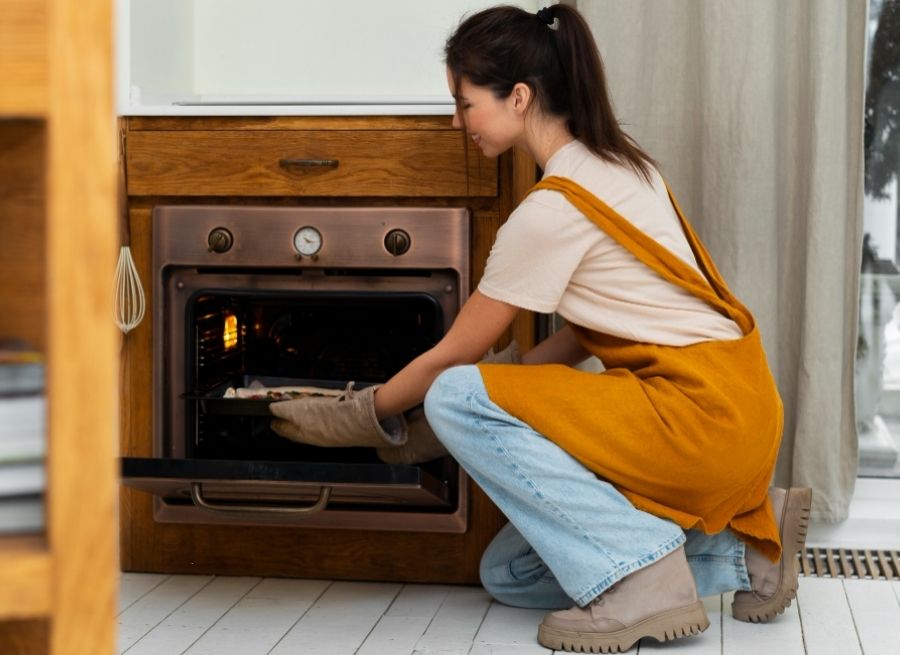
Using kitchen appliances the wrong way can cause them to break faster. Each appliance has its own rules for use. Ignoring these rules can lead to damage and reduce their lifespan. It costs more money and causes frustration. Understanding how misuse happens helps prevent problems.
Examples Of Misuse
Putting heavy pots on a glass cooktop can crack it. Using metal tools inside a non-stick pan scratches the coating. Running a blender without liquid can burn the motor. Overfilling the microwave with food blocks vents. Plugging multiple high-power devices into one outlet causes overload.
Consequences Of Wrong Usage
Appliances can stop working suddenly. Parts may wear out faster than normal. Repairs often cost more than simple care. Some damages are not fixable and need replacement. Wrong use wastes electricity and increases bills. It can also create safety hazards like fires.
Correct Operation Techniques
Read the manual before using any appliance. Use recommended tools and accessories only. Avoid overloading or overheating devices. Clean appliances regularly to prevent build-up. Turn off and unplug appliances after use. Follow safety warnings to avoid accidents.
Skipping Maintenance Checks
Skipping maintenance checks is a common mistake that can shorten your kitchen appliances’ life. Dirt, dust, and wear can cause problems over time. Regular maintenance helps catch small issues before they become big. Neglecting this step often leads to costly repairs or the need for early replacement.
Key Maintenance Tasks
Cleaning filters and vents keeps appliances running smoothly. Checking seals and hinges prevents leaks and energy loss. Inspecting cords and plugs avoids electrical hazards. Simple tasks like wiping surfaces and removing food debris improve efficiency. These small jobs protect your appliances and save money.
Scheduling Regular Inspections
Set a routine to check your appliances every few months. Use a calendar reminder to stay consistent. Early detection of wear or damage can prevent breakdowns. Regular inspections reduce surprises and keep your kitchen running well. Don’t wait for problems to appear before acting.
Professional Servicing Benefits
Experts know how to spot hidden problems fast. They clean hard-to-reach parts and replace worn components. Professional servicing ensures appliances work safely and efficiently. It also keeps warranties valid in many cases. Investing in service saves money by extending appliance life.
Exposing Appliances To Moisture
Moisture is one of the biggest enemies of kitchen appliances. Water and electricity do not mix well. Even small amounts of moisture can cause serious damage. It can lead to rust, short circuits, and broken parts. Many people do not realize how much water can harm their appliances.
Keeping appliances dry helps them last longer. It also keeps them working safely. Wet appliances can stop working suddenly. This causes inconvenience and costly repairs. Understanding how moisture affects your kitchen devices is important.
Risks Of Water Damage
Water can cause rust on metal parts. Rust weakens the structure and causes breakdowns. Moisture can also cause electrical shorts. This can stop the appliance from working or cause fires. Water damage can lead to mold growth inside machines. Mold is bad for health and smells bad. It can also affect food stored nearby.
Appliance Areas Vulnerable To Moisture
Some parts of appliances are more at risk. Seals and gaskets around doors can trap moisture. Inside washing machines and dishwashers, water can stay after cycles. Electrical connections near sinks or countertops face higher moisture levels. Ventilation openings can allow humid air inside. Even the backs of refrigerators can collect moisture.
Preventive Measures Against Moisture
Keep appliances away from direct water sources. Wipe off any spills or splashes quickly. Use covers on devices not used often. Check seals and replace them if worn. Ensure good ventilation to reduce humidity. Use a dehumidifier if your kitchen is very damp. Avoid placing wet items on or inside appliances.
Frequently Asked Questions
What Are Common Mistakes That Harm Kitchen Appliances?
Common mistakes include overloading, improper cleaning, and ignoring maintenance. These reduce appliance lifespan and efficiency. Avoid using wrong detergents or harsh chemicals. Also, prevent overheating and ensure proper ventilation for appliances to last longer.
How Does Improper Cleaning Damage Kitchen Appliances?
Improper cleaning can cause residue buildup and corrosion. This clogs essential parts and reduces appliance performance. Always follow manufacturer cleaning instructions. Use gentle, appliance-safe cleaners to prevent damage and maintain hygiene.
Can Overloading Appliances Shorten Their Lifespan?
Yes, overloading strains motors and components, causing wear and tear. It leads to overheating and mechanical failure. Always adhere to recommended capacity limits to ensure optimal performance and durability.
Why Is Ignoring Maintenance Harmful To Appliances?
Ignoring maintenance leads to unnoticed wear and dirt buildup. This reduces efficiency and increases breakdown risks. Regular check-ups and cleaning help detect issues early and extend appliance life.
Conclusion
Avoiding common mistakes helps your kitchen appliances last longer. Clean and maintain them regularly. Use appliances as the manual suggests. Overloading or misusing can cause damage fast. Small efforts save money on repairs. Take care of your kitchen tools today.
Enjoy cooking without worry or extra costs. Simple habits keep appliances working well. Protect your investment with smart choices.