Last Updated on October 4, 2026
Are you tired of your pots and pans losing their shine or getting damaged too soon? You might be making simple mistakes that are slowly ruining your cookware.
These errors can shorten the life of your favorite kitchen tools and affect how your food cooks. But don’t worry—once you know what to avoid, you can keep your pots and pans looking great and working perfectly for years. Keep reading to discover the top 6 cookware mistakes you’re probably making and how to fix them before it’s too late.
Your kitchen deserves better!
Using High Heat Constantly
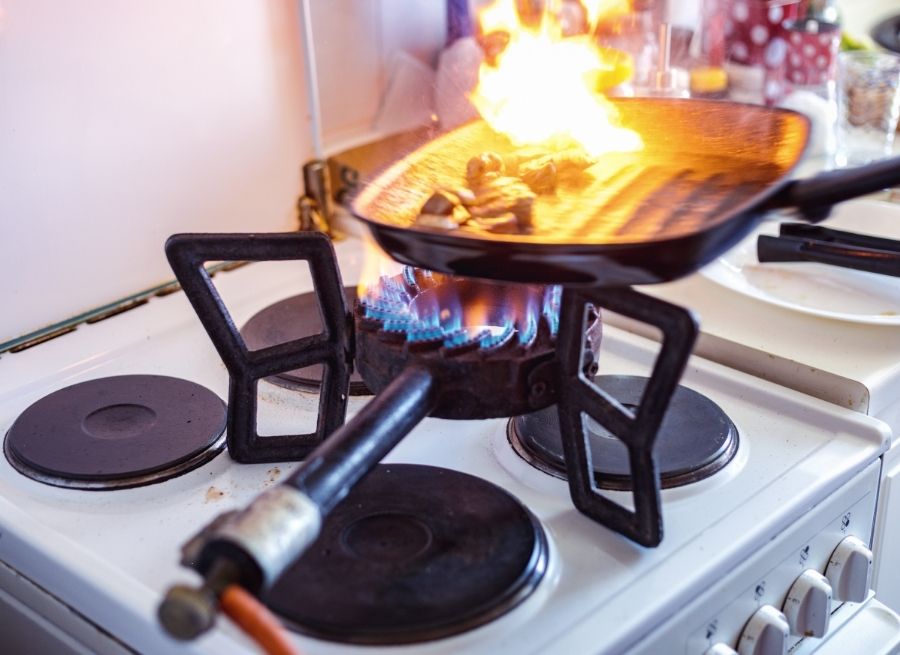
Using high heat constantly can harm your cookware. Many cooks think high heat cooks food faster and better. That is not true for most pots and pans. High heat can cause serious damage, especially if you use it all the time. Heat stress wears down the cookware’s surface and shortens its life.
Some pans need gentle heat to work well. High temperatures can make nonstick coatings break down. Metal warps or stains can form on stainless steel pans. Knowing how heat affects your cookware helps you avoid ruining your kitchen tools.
Effects On Nonstick Surfaces
Nonstick pans have a special coating to stop food from sticking. This coating is sensitive to heat. High heat breaks down the coating’s chemicals. It can release harmful fumes and lose its nonstick power.
Using high heat makes the surface peel or chip. Food can stick to the pan, making it hard to clean. The pan loses its smooth, slick finish quickly. Use medium or low heat to keep the coating safe and working well.
Damage To Stainless Steel Pans
Stainless steel pans are strong but not heat-proof. Constant high heat can cause them to warp or bend. Warping makes the pan uneven, so it cooks food poorly.
High heat also causes stains and discoloration. These marks do not come off easily. Over time, heat can weaken the metal, reducing the pan’s lifespan. Keep heat moderate to protect your stainless steel cookware.
Skipping Proper Cleaning Techniques
Skipping proper cleaning techniques can damage your pots and pans fast. Dirt and food stuck on surfaces need careful removal. Harsh cleaning can wear down coatings and metal. Learning gentle cleaning keeps your cookware safe and lasting longer.
Cleaning well protects the cooking surface and the pot’s shape. It also stops bad smells and stains from building up. Proper care makes cooking easier and your kitchen neater.
Avoiding Abrasive Scrubbers
Abrasive scrubbers scratch the surface of pots and pans. These scratches trap food and germs. Soft sponges or cloths clean without damage. Use plastic or silicone scrubbers for tough spots. Avoid steel wool or rough brushes. They ruin nonstick and delicate surfaces quickly.
Using Suitable Detergents
Strong detergents can strip the finish or leave residues. Mild dish soap cleans well without harm. Use warm water to help soap work better. Avoid bleach or harsh chemicals. They weaken metal and remove protective layers. Gentle soap keeps cookware shiny and safe for cooking.
Storing Cookware Incorrectly
Storing cookware incorrectly can cause damage to your pots and pans. Scratches, dents, and warping often happen when items are stacked carelessly. Proper storage protects your investment and keeps your kitchen neat.
Preventing Scratches And Dents
Stacking metal pots and pans without protection leads to scratches. Use soft cloths or paper towels between each piece. This simple step prevents metal-on-metal contact that causes marks.
Hanging pans on hooks also avoids scratches. This keeps them separate and easy to grab. Avoid piling heavy items on top of lighter ones to prevent dents.
Organizing For Longevity
Arrange cookware by size and type for better access. Store lids separately or with their matching pots to avoid damage.
Use racks or shelves that hold each item securely. Avoid overcrowding shelves to reduce bending or warping. Organizing well extends the life of your cookware.
Using Metal Utensils On Nonstick Cookware
Using metal utensils on nonstick cookware can cause serious damage. Nonstick coatings are delicate and can scratch easily. Scratches ruin the smooth surface that prevents food from sticking. Once scratched, the cookware loses its nonstick power and becomes harder to clean.
Scratches also expose the underlying metal. This can lead to rust or corrosion over time. Metal utensils can chip off the coating, creating small flakes in your food. These flakes are unsafe to eat and reduce your cookware’s lifespan.
Why Metal Utensils Harm Nonstick Surfaces
Metal utensils have hard, sharp edges. They scrape against the nonstick coating with force. This scraping wears away the coating quickly. Even gentle scraping adds up over time. The surface becomes rough and uneven, causing food to stick.
Signs Your Nonstick Cookware Is Damaged
Food sticks more than before. You see scratches or chips on the surface. The coating looks dull or worn out. Small flakes appear in the food after cooking. These signs mean it’s time to stop using metal tools.
Best Utensils To Protect Nonstick Cookware
Choose utensils made of wood, silicone, or plastic. These materials are soft and gentle on coatings. They glide smoothly without scratching the surface. They help keep your cookware in good condition longer.
Tips For Using Utensils With Nonstick Cookware
Use wooden or silicone spoons for stirring. Avoid cutting or scraping with sharp tools. Clean utensils after each use to prevent residue build-up. Store them separately to avoid accidental damage.
Ignoring Manufacturer’s Instructions
Many people overlook the importance of following the manufacturer’s instructions for their cookware. These guidelines help protect your pots and pans from damage. Ignoring them can lead to scratches, warping, or even unsafe cooking conditions.
Each type of cookware has specific care needs. Knowing these details helps your cookware last longer and perform better. The right cleaning and heating methods prevent costly mistakes.
Understanding Material Limits
Cookware materials vary greatly. Some pans handle high heat well; others do not. For example, non-stick pans can release harmful chemicals if overheated. Cast iron needs seasoning and can rust without proper care. Stainless steel is durable but may discolor if heated too fast.
Manufacturers provide heat limits and cleaning instructions based on the material. Ignoring these limits can cause irreversible damage. Always check the label or manual to know what your cookware can and cannot handle.
Warranty And Care Tips
Following manufacturer instructions often keeps your warranty valid. Using the wrong tools or cleaners may void it. Warranties usually cover defects, not damage from misuse.
Care tips include avoiding metal utensils on non-stick surfaces and hand washing instead of dishwashing. Some cookware requires drying immediately to prevent rust. Reading and applying care tips extends your cookware’s life and saves money.
Heating Empty Pans
Heating empty pans is a common mistake in many kitchens. It may seem harmless but can damage your cookware quickly. Pans are designed to hold food or liquid during heating. Without anything inside, the pan’s surface gets too hot. This can cause warping, discoloration, or damage to non-stick coatings. Knowing how empty heating affects your pans helps you avoid costly repairs or replacements.
Impact On Pan Coating
Non-stick coatings are sensitive to high heat without food. Heating an empty pan can cause the coating to break down. This leads to peeling or flaking, making the pan unsafe and less effective. Even stainless steel pans can warp or lose their shine from empty heating. The metal expands quickly and unevenly when heated without contents. This stress weakens the pan and shortens its life.
Safe Heating Practices
Always add oil, butter, or food before turning on the heat. This protects the pan’s surface from direct contact with high temperatures. Use medium or low heat settings to avoid overheating. Avoid preheating empty pans for long periods. If a recipe requires preheating, keep the time short. Watch the pan closely to prevent damage. Proper care keeps your cookware safe and working well for years.
Frequently Asked Questions
What Common Cookware Mistakes Damage Pots And Pans?
Using high heat, metal utensils, and harsh cleaners often damage cookware. These actions can cause warping, scratches, and coating loss. Avoiding these mistakes prolongs your pots’ and pans’ lifespan and maintains cooking quality.
How Does Overheating Cookware Ruin It?
Overheating can warp metal pans and degrade non-stick coatings. It also releases harmful fumes from some coatings. Cooking on medium or low heat protects cookware and ensures safer, more even cooking.
Why Avoid Metal Utensils With Non-stick Pans?
Metal utensils scratch and chip non-stick surfaces, reducing their effectiveness. Use wooden, silicone, or plastic tools to preserve the coating and extend your non-stick cookware’s usability.
Can Improper Cleaning Harm Cookware?
Yes, abrasive scrubbers and harsh detergents can scratch and dull cookware surfaces. Gentle cleaning with soft sponges and mild soap maintains the integrity and appearance of your pots and pans.
Conclusion
Avoiding these common cookware mistakes protects your pots and pans. Clean them gently and use the right heat. Never use metal tools on nonstick surfaces. Store cookware carefully to prevent scratches and dents. Small habits make a big difference in how long your cookware lasts.
Cooking becomes easier and more enjoyable with well-kept pots and pans. Keep these tips in mind for better meals and less waste. Your kitchen will thank you.