Last Updated on October 4, 2026
Choosing the right cookware set can feel overwhelming, especially if you’re just starting out in the kitchen. With so many options, materials, and styles, how do you know what’s best for you?
The right cookware doesn’t just make cooking easier—it can turn your meals into something special. Imagine preparing your favorite dishes with tools that fit your needs perfectly, saving you time and frustration. Keep reading, and you’ll discover simple tips to pick cookware that matches your cooking style, budget, and kitchen space.
By the end, you’ll feel confident making a choice that helps you cook better and enjoy every meal.
Types Of Cookware
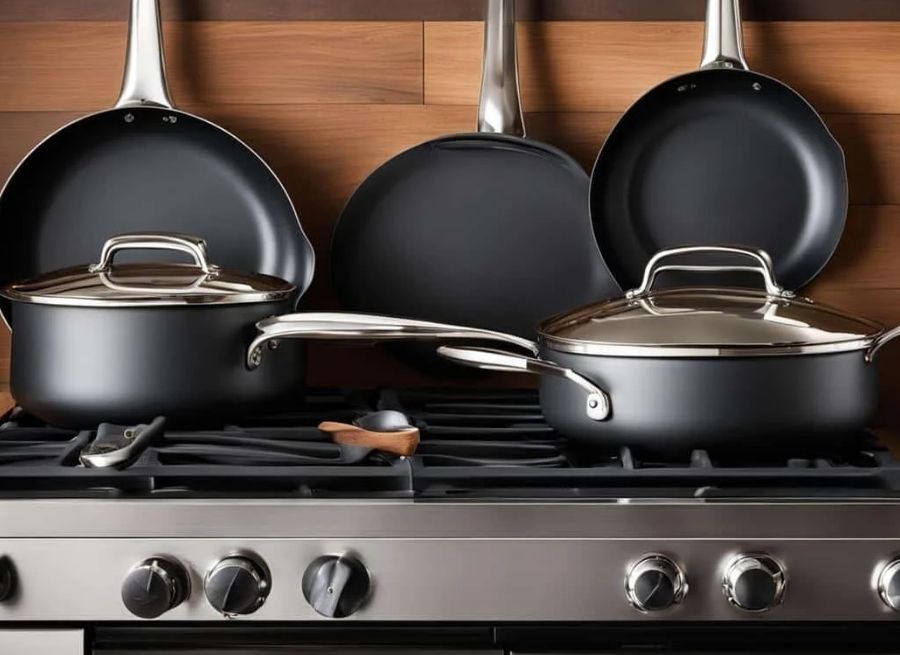
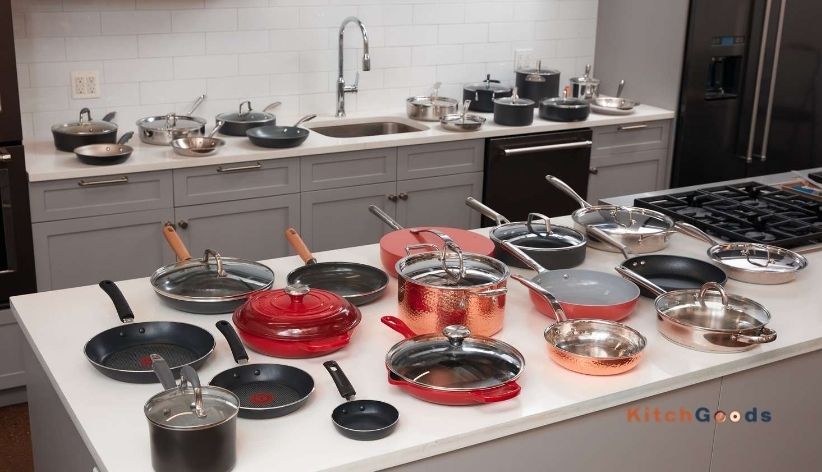
Choosing the right cookware set starts with knowing the types available. Each type has unique features. Some are easy to clean, others last long or cook food evenly. Understanding these types helps beginners make smart choices.
Here are the common types of cookware sets beginners should know.
Nonstick Cookware
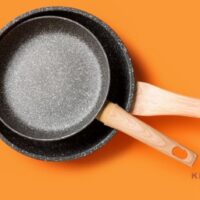
Nonstick cookware has a smooth coating that stops food from sticking. It is great for cooking eggs, pancakes, and other delicate foods. Cleaning is quick and easy. Nonstick pans need gentle care to avoid scratches. They heat up fast and use less oil.
Stainless Steel Cookware
Stainless steel is strong and durable. It does not react with food or change flavors. This type works well for browning, searing, and deglazing. It can handle high heat and is dishwasher safe. It takes more oil to cook but lasts for years.
Cast Iron Cookware
Cast iron heats evenly and holds heat well. It is perfect for frying, baking, and slow cooking. Cast iron pans need seasoning to stay nonstick and prevent rust. They are heavy but very durable. Great for making crispy crusts and rich flavors.
Copper Cookware
Copper cookware offers excellent heat control. It heats up quickly and cools down fast. This helps cook food precisely. Copper pans often have a stainless steel lining to prevent reactions with food. They look beautiful but require regular polishing.
Ceramic Cookware
Ceramic cookware has a smooth, nonstick surface made from natural materials. It is free from chemicals like PTFE and PFOA. Ceramic pans cook evenly and are easy to clean. They are safe for high heat but can chip if dropped. A good choice for healthy cooking.
Essential Pieces For Beginners
Choosing the right cookware set means starting with the basics. Essential pieces help beginners cook many meals easily. A few key pots and pans cover most cooking needs. These items save space and money. They also make cooking simpler and more fun.
Skillets And Frying Pans
Skillets and frying pans are must-haves for any kitchen. Use them to fry eggs, sauté vegetables, or cook meat. A 10-inch skillet works well for most tasks. Non-stick surfaces make cooking and cleaning easier. Heavy-bottom pans heat food evenly and prevent burning.
Saucepans
Saucepans come in handy for boiling, simmering, and making sauces. A 2- or 3-quart size fits most recipes. Choose one with a tight-fitting lid to keep moisture in. Stainless steel or non-stick pans are easy to clean. Saucepans are great for rice, soup, and pasta.
Stockpots
Stockpots are large pots for boiling and slow cooking. Use them for soups, stews, and pasta. A 6- to 8-quart size suits most families. Look for thick bottoms to stop food from sticking. Stockpots also work for making broth or cooking large meals.
Lids And Accessories
Lids help keep heat and moisture inside pots and pans. Choose lids that fit your cookware well. Glass lids let you watch food without lifting the lid. Basic accessories include spatulas, spoons, and tongs. These tools make cooking safer and easier.
Material Pros And Cons
Choosing the right cookware material is key for beginners. Each type has benefits and drawbacks. Knowing these helps make a smart choice. This section covers durability, heat conductivity, maintenance, and health considerations for popular materials.
Durability
Stainless steel lasts long and resists scratches. Cast iron is tough but can crack if dropped. Nonstick pans wear out faster and can peel. Copper is strong but dents easily. Choose a material that fits your cooking style.
Heat Conductivity
Copper heats quickly and evenly, perfect for precise cooking. Aluminum also heats fast but may warp over time. Cast iron heats slowly but keeps heat well. Stainless steel heats unevenly unless it has an aluminum core. Good heat spread prevents hot spots.
Maintenance
Cast iron needs seasoning and careful cleaning. Nonstick pans require gentle washing to protect coating. Stainless steel is dishwasher-safe and easy to clean. Copper needs polishing to keep its shine. Think about the time you want to spend on care.
Health Considerations
Nonstick coatings may release chemicals if overheated. Cast iron adds iron to your food, which can be good for health. Stainless steel is safe and does not react with foods. Copper can leach metals if not lined properly. Choose safe materials for your cooking habits.
Budget And Price Factors
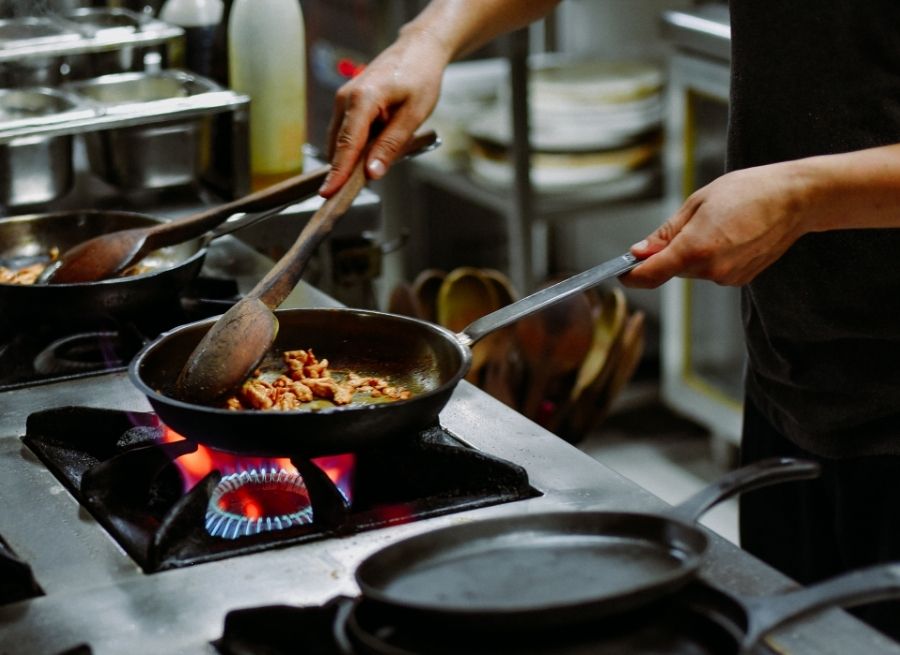
Choosing cookware means balancing quality and price. Your budget affects the materials and features you can buy. Knowing what fits your budget helps avoid overspending. Cookware sets come in many price ranges. Each offers different benefits and limits.
Entry-level Options
Entry-level sets are affordable and good for beginners. They usually have basic materials like aluminum or stainless steel. These sets work well for simple cooking tasks. They may not last as long but can handle everyday use. Perfect for learning cooking without a big investment.
Mid-range Sets
Mid-range cookware offers better materials and durability. Often made of higher quality stainless steel or non-stick surfaces. These sets provide more even heat and improved cooking results. They last longer and offer more cooking options. Ideal for those who cook regularly and want reliable tools.
High-end Investments
High-end sets use premium materials like copper or hard-anodized aluminum. They offer excellent heat control and durability. These sets can last many years with proper care. Designed for serious home cooks who want the best performance. A bigger upfront cost but often saves money over time.
Cookware Compatibility
Choosing cookware that matches your kitchen appliances is important. Cookware compatibility helps you cook safely and efficiently. Different stoves, ovens, and dishwashers work best with specific cookware types. Knowing these details saves money and avoids damage.
Stove Types
Not all cookware works on every stove. Gas stoves need pots with flat bottoms for even heat. Electric stoves heat best with smooth, heavy pans. Induction stoves require magnetic cookware like cast iron or stainless steel. Check if your cookware label says “induction compatible.”
Oven Safety
Some cookware can go in the oven, others cannot. Avoid plastic handles or non-stick coatings not rated for high heat. Look for cookware labeled “oven safe” and note the maximum temperature. Oven-safe pans let you finish dishes or bake in the same pot.
Dishwasher Use
Dishwasher-safe cookware saves time but may wear faster. Non-stick pans often lose coating when washed in dishwashers. Stainless steel usually holds up well. Check care instructions for each set. Hand washing extends cookware life and keeps it looking new.
Size And Storage Tips
Choosing the right size and storage options for your cookware set matters. Space in your kitchen affects what you can keep and how easy it is to find the right pot or pan. Small kitchens need smaller, stackable items. Larger kitchens can hold bigger sets but still benefit from smart storage. Efficient storage keeps your kitchen tidy and your cooking smooth.
Kitchen Space
Measure your kitchen cabinets and drawers before buying cookware. Know how much room you have for pots, pans, and lids. Choose a set that fits your available space without crowding. Small kitchens need fewer, smaller pieces. Large kitchens can store more but should avoid clutter.
Stacking And Nesting
Look for cookware that stacks or nests inside each other. This saves space and keeps your kitchen organized. Nesting pots and pans fit inside each other neatly. Stacking helps if nesting is not possible. Use pan protectors to stop scratches when stacking.
Weight Considerations
Heavy cookware can be hard to lift and store. Choose lightweight pots and pans if you have limited strength. Aluminum and stainless steel are lighter options. Cast iron is heavier but lasts long. Balance weight with durability for easy use and storage.
Brand Reputation And Warranties
Choosing cookware involves more than just looks or price. Brand reputation and warranties play a key role. They show the quality and trust you can expect from the product. These factors help beginners avoid poor purchases and find sets that last.
Trusted Brands
Brands with a strong reputation often deliver better quality. They have years of experience and maintain high standards. Choosing a well-known brand reduces risks and ensures good customer service. Beginners benefit from the reliability and support these brands offer.
Warranty Coverage
A good warranty protects your investment. It covers defects and damages for a set time. Check the length and what issues are included. Some warranties cover handles, coatings, or warping. Knowing warranty details helps you feel secure about your purchase.
Customer Reviews
Reviews reveal real user experiences. They show product strengths and weaknesses clearly. Reading reviews helps spot common problems or praises. Focus on reviews from beginners for relevant insights. Honest feedback guides you to cookware that suits your needs.
Frequently Asked Questions
What Materials Are Best For Beginner Cookware Sets?
Stainless steel and non-stick materials are ideal for beginners. They offer durability, easy maintenance, and even heat distribution. These materials help prevent food from sticking, making cooking and cleaning simpler for novices.
How Many Pieces Should A Beginner Cookware Set Include?
A beginner set typically includes 5 to 7 pieces. Essential items are a frying pan, saucepan, stockpot, and lids. This range covers most basic cooking needs without overwhelming new cooks.
Are Non-stick Pans Safe For Everyday Cooking?
Yes, modern non-stick pans are safe when used correctly. Avoid high heat and metal utensils to preserve the coating. They make cooking easier by reducing food sticking and require less oil.
Should Beginners Prioritize Cookware Price Or Quality?
Quality should come before price for beginners. Investing in durable cookware saves money long-term. High-quality sets offer better heat distribution and last longer, improving cooking results and safety.
Conclusion
Choosing the right cookware set helps make cooking easier and more fun. Focus on quality, size, and material that fit your needs. Think about what you cook most and how often you cook. A good set lasts long and saves money over time.
Take your time and compare options carefully. Enjoy cooking with tools that feel right for you. Cooking becomes simple and enjoyable with the right cookware. Start with basics and add more pieces as you learn. Keep your kitchen ready for every meal.