Last Updated on October 4, 2026
A great meal starts long before the pan heats up. It begins with prep: slicing vegetables, trimming meat, mincing herbs, and peeling fruit. And while it may be tempting to think you need a giant knife block filled with a dozen blades, most home cooks only need a handful of reliable essentials to handle everyday kitchen tasks with confidence.
The right knives can make cooking faster, safer, and far more enjoyable. Instead of struggling with dull or poorly designed blades, you can work with precision and ease. If you’re building your kitchen toolkit from scratch or upgrading old basics, these are the top 5 kitchen knives every home cook should own.
Why the Right Kitchen Knives Matter
Using the proper knife for the task helps improve both efficiency and safety. A sharp, well-balanced knife cuts cleanly and requires less force, which means better control and fewer accidents. It also helps preserve the texture and appearance of your ingredients, whether you’re slicing tomatoes, carving chicken, or dicing onions.
Rather than buying a large, expensive set, it’s smarter to invest in a few versatile, high-quality knives you’ll actually use. These five essentials cover nearly every prep task in a home kitchen.
1. Chef’s Knife
Why It’s Essential
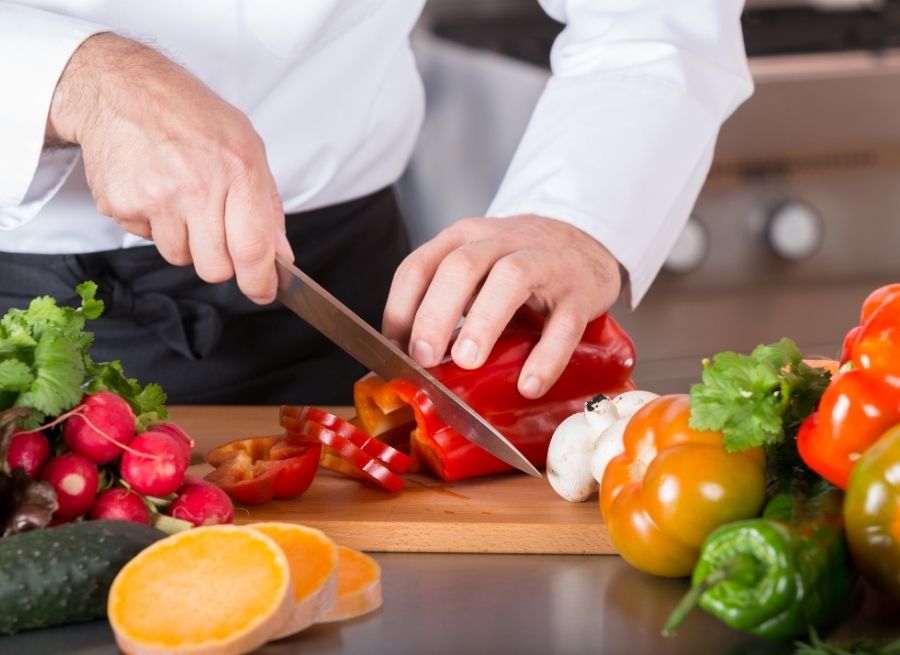
If you only buy one good knife, make it a chef’s knife. This is the true workhorse of the kitchen and the blade most home cooks reach for every day. It’s designed to handle a wide range of tasks, from chopping vegetables and slicing herbs to cutting meat and crushing garlic.
Best Uses
- Chopping onions, carrots, and celery
- Slicing meat and poultry
- Mincing garlic and herbs
- Dicing fruits and vegetables
What to Look For
A chef’s knife is typically between 8 and 10 inches long. For most home cooks, an 8-inch blade offers the best balance of control and versatility. Look for a knife with a comfortable handle, solid balance, and a sharp blade made from durable stainless steel or high-carbon steel.
If you cook often, this is the knife worth spending a little more on. A quality chef’s knife can last for years with proper care.
2. Paring Knife
Why It’s Essential
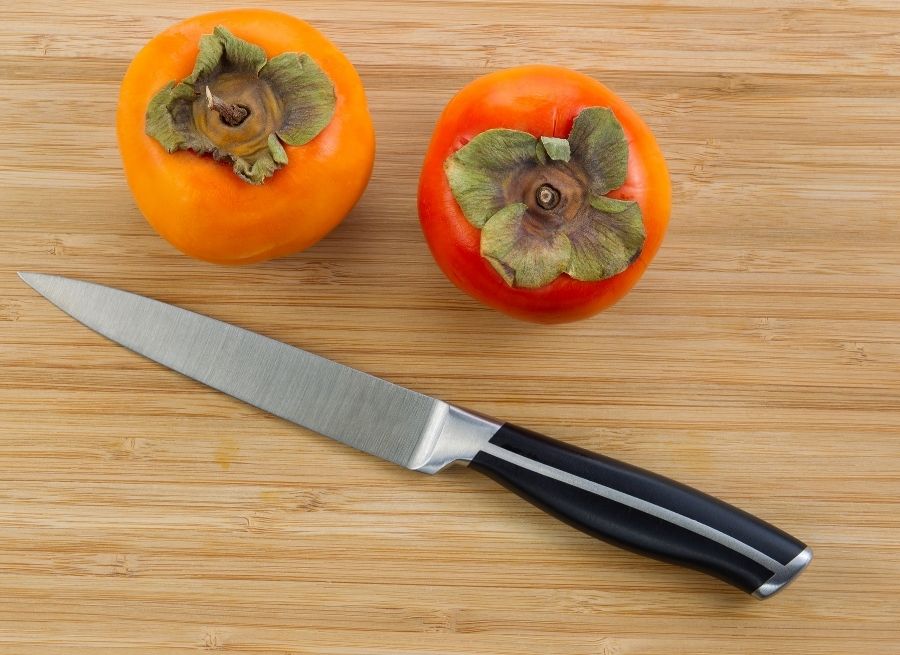
For smaller, more delicate tasks, a chef’s knife can feel oversized and clumsy. That’s where a paring knife shines. This small knife gives you greater control for detailed work, especially when you’re cutting or peeling ingredients by hand.
Best Uses
- Peeling apples, potatoes, and citrus
- Trimming strawberries and small fruits
- Deveining shrimp
- Coring tomatoes or hulling produce
What to Look For
A good paring knife usually has a blade between 3 and 4 inches long. It should feel light, nimble, and comfortable in your hand. Because this knife is often used for precision work, control matters more than blade length.
Every home cook benefits from having one dependable paring knife within easy reach.
3. Serrated Bread Knife
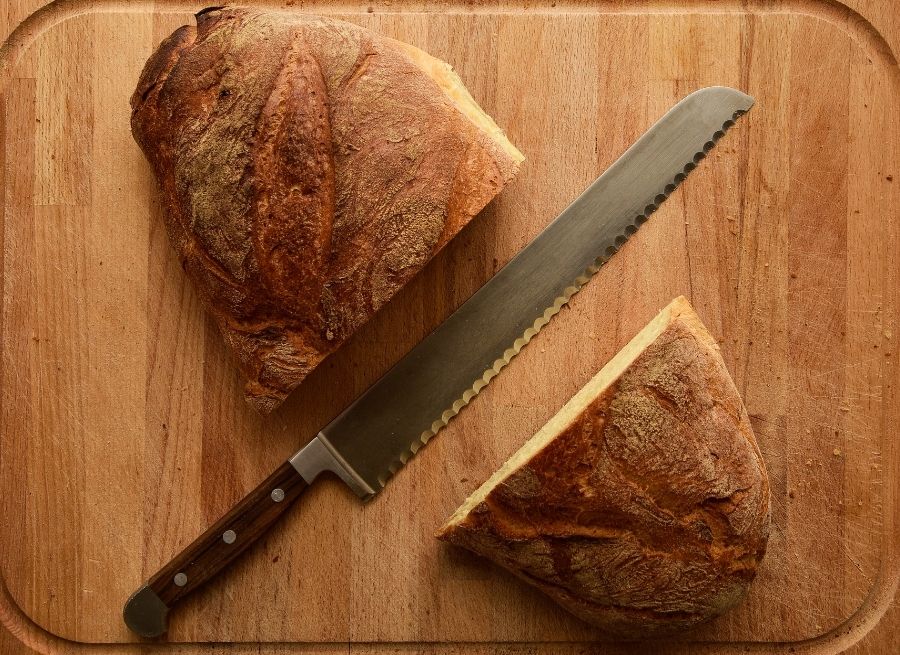
Why It’s Essential
A serrated bread knife does much more than slice loaves of bread. Its saw-like edge is ideal for foods with a tough exterior and soft interior, allowing you to cut through delicate items without crushing them.
Best Uses
- Slicing crusty bread, bagels, and rolls
- Cutting cakes or soft pastries
- Slicing tomatoes cleanly
- Cutting melons or soft-skinned fruits
What to Look For
Choose a bread knife with a blade around 8 to 10 inches long. Longer blades make it easier to cut through larger loaves with smooth, even strokes. A comfortable grip is also important, especially if you bake often or slice bread regularly.
Even if you don’t make homemade bread, a serrated knife is incredibly useful for many common kitchen tasks.
4. Utility Knife
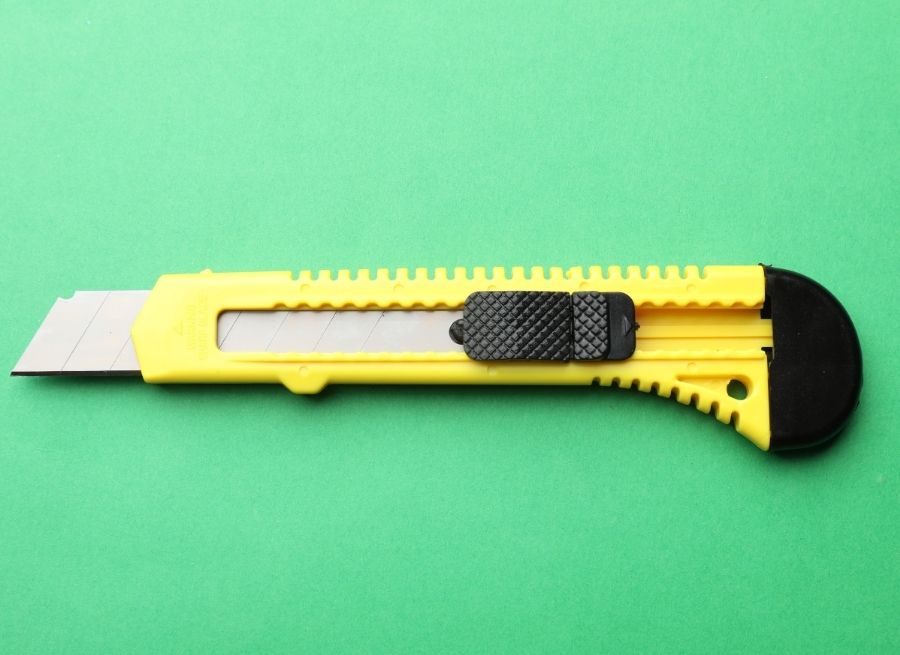
Why It’s Essential
Sitting somewhere between a chef’s knife and a paring knife, the utility knife is one of the most underrated tools in the kitchen. It’s perfect for medium-sized ingredients and tasks that don’t require the length of a chef’s knife or the precision of a paring knife.
Best Uses
- Slicing sandwiches and cooked meats
- Cutting cheese
- Chopping smaller fruits and vegetables
- Trimming cucumbers, zucchini, or citrus
What to Look For
Utility knives are usually 4 to 7 inches long. A straight-edge version is versatile for general prep, while a serrated utility knife can be especially helpful for tomatoes and soft produce. If you often find a chef’s knife too large for quick jobs, a utility knife can become a favorite.
5. Boning Knife
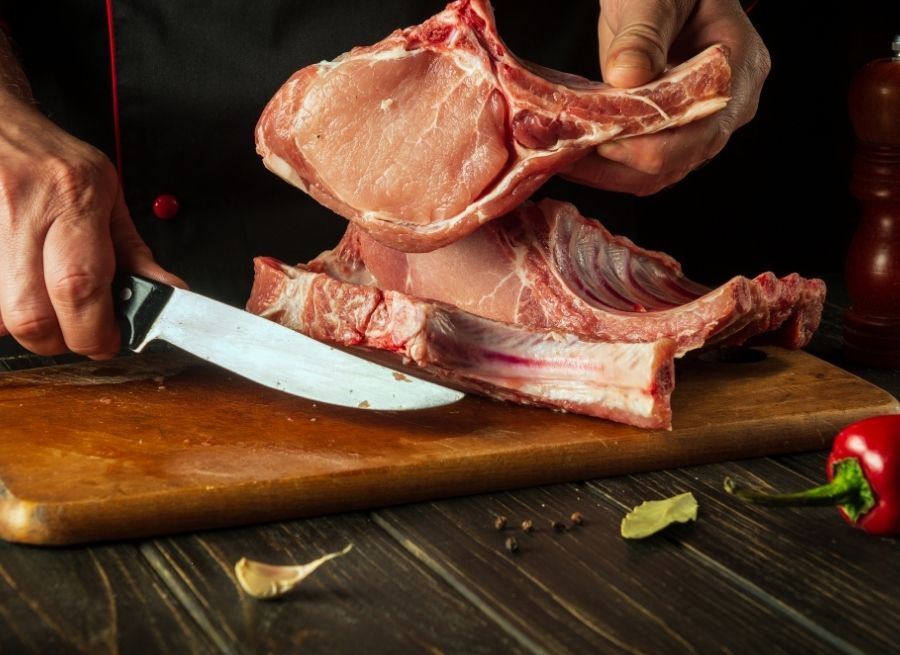
Why It’s Essential
Not every home cook uses a boning knife daily, but it’s incredibly valuable if you prepare meat, poultry, or fish at home. Its narrow blade is designed for precision, helping you remove bones, skin, and fat with minimal waste.
Best Uses
- Deboning chicken thighs or breasts
- Trimming fat from beef or pork
- Filleting fish
- Removing silver skin and connective tissue
What to Look For
Boning knives typically have a blade between 5 and 6 inches long. Some are flexible, which is useful for fish and delicate cuts, while stiffer blades work well for poultry and red meat. Choose the one that matches the kind of cooking you do most often.
If you buy pre-cut meats exclusively, you may not need this knife right away. But for home cooks who enjoy prepping proteins from scratch, it’s a worthwhile addition.
How to Choose Quality Kitchen Knives
When shopping for knives, focus on quality over quantity. A few well-made knives will serve you better than a full set of blades you rarely use. Here are a few important features to consider:
Blade Material
Stainless steel is low-maintenance, rust-resistant, and a practical choice for most kitchens. High-carbon steel holds a sharp edge longer, but it may require more care to prevent staining or corrosion.
Handle Comfort
Your knife should feel secure and comfortable in your hand. A good grip reduces fatigue and helps improve safety during longer prep sessions.
Balance
A balanced knife feels steady and controlled, not too blade-heavy or handle-heavy. This makes cutting smoother and more precise.
Maintenance
Even the best knife will lose its edge over time. Look for knives that are easy to hone and sharpen so they stay effective for years.
Tips for Caring for Your Kitchen Knives
Proper care can dramatically extend the life of your knives. A few simple habits make all the difference:
- Wash knives by hand instead of putting them in the dishwasher
- Dry them immediately after washing
- Store them in a knife block, magnetic strip, or blade guard
- Use a wooden or plastic cutting board to protect the edge
- Hone regularly and sharpen when needed
Good maintenance not only protects your investment but also helps keep your kitchen safer. Sharp knives perform better and are less likely to slip than dull ones.
Do You Need a Full Knife Set?
For most home cooks, the answer is no. Knife sets can look appealing, but they often include pieces that go unused. Building your collection intentionally allows you to spend your budget on the knives that truly matter.
Start with a chef’s knife, paring knife, and serrated bread knife. Then add a utility knife and boning knife depending on your cooking style. This approach gives you a more practical, efficient kitchen setup without unnecessary clutter.
Final Thoughts
You don’t need a professional culinary kit to cook well at home. With the right five knives, you can handle almost every prep task with ease, accuracy, and confidence. A chef’s knife, paring knife, serrated bread knife, utility knife, and boning knife form a strong foundation for any home kitchen.
Invest in quality where it counts, care for your blades properly, and your kitchen knives will reward you with years of reliable performance. Whether you’re chopping vegetables for a quick weeknight dinner or preparing an elaborate weekend meal, the right knife makes every step easier.
A well-equipped kitchen starts with the basics, and a smart knife collection is one of the best places to begin.
Quick Recap: The 5 Must-Have Kitchen Knives
- Chef’s Knife – the all-purpose essential for everyday prep
- Paring Knife – ideal for small, detailed tasks
- Serrated Bread Knife – perfect for bread and delicate soft foods
- Utility Knife – great for medium-sized ingredients and quick cutting jobs
- Boning Knife – best for trimming and deboning meat, poultry, and fish