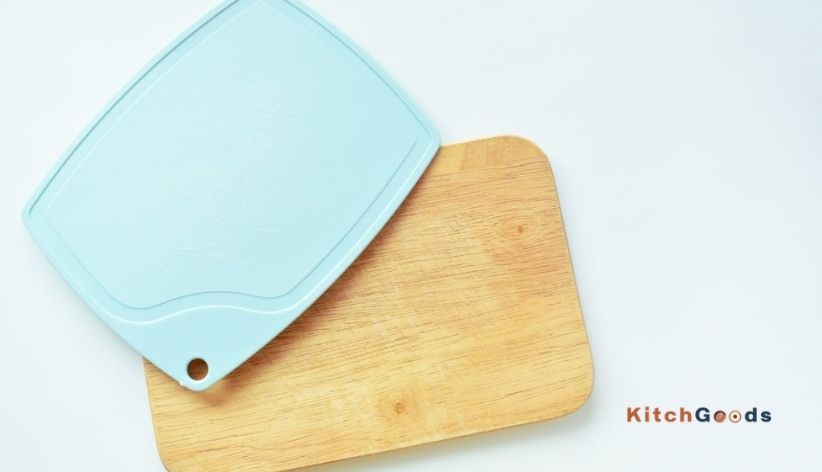
When it comes to protecting your knives, the cutting board you choose plays a bigger role than you might think. You want a surface that keeps your blades sharp and lasts a long time.
But should you go for wood or plastic? Both have their fans, but which one really helps your knives stay in top shape? You’ll discover the surprising differences between wood and plastic cutting boards and find out which one is truly better for your knives.
Keep reading—you might just change the way you cook forever.
Material Impact On Knife Edges
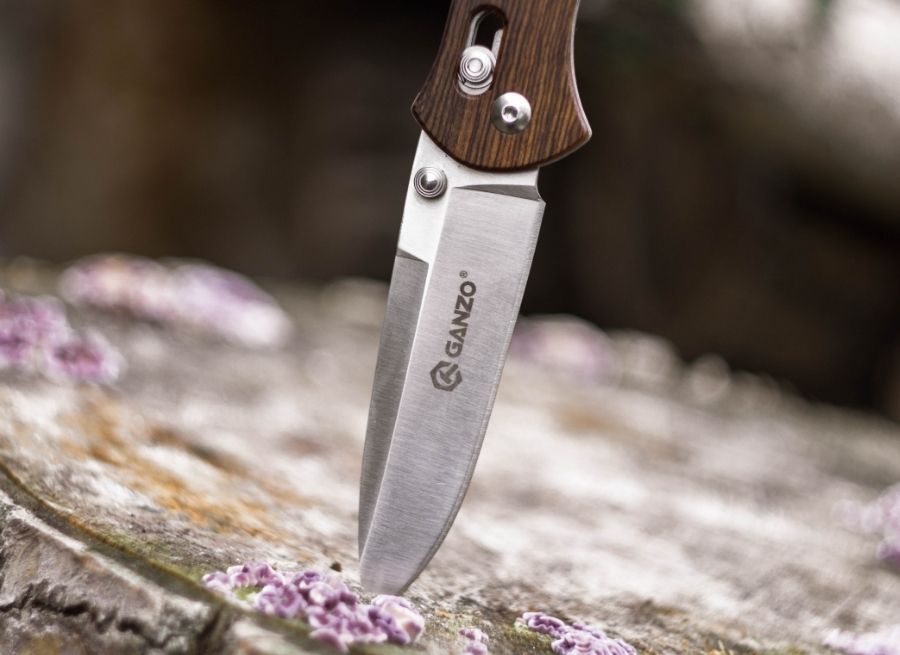
The material of a cutting board affects how your knife edges hold up. Some materials are softer, causing less wear on blades. Others might be harder, dulling knives faster. Understanding these differences helps you pick the best board for your knives. This section explores how wood and plastic impact blade sharpness.
How Wood Affects Blade Sharpness
Wood cutting boards are gentle on knife edges. Their natural fibers give slightly under pressure. This softness reduces the risk of dulling your blade. Wood also absorbs some shock from cutting, protecting the knife’s edge. Over time, wooden boards help keep knives sharper longer than hard surfaces.
Some woods, like maple and walnut, are popular for their balance of hardness and softness. These woods provide a smooth cutting surface. They do not cause quick edge wear. Wood boards also self-heal small cuts, maintaining a smooth surface for knives.
Plastic’s Effect On Knife Edges
Plastic cutting boards tend to be harder than wood. This hardness can cause faster dulling of knife edges. Plastic surfaces do not absorb shock well. The knife hits a firm surface with every cut, which wears down blades quicker.
Plastic boards can develop deep grooves from knife cuts. These grooves trap food and bacteria. A rough surface forces knives to work harder, dulling edges faster. However, plastic boards are easy to clean and often dishwasher safe.
Durability And Maintenance
Durability and maintenance are key factors when choosing a cutting board. A board that lasts long saves money and time. It also keeps knives sharp and safe. Each material handles wear differently. Understanding this helps pick the best option for your kitchen.
Longevity Of Wood Boards
Wood boards last for many years with proper care. Hardwoods like maple resist deep cuts and cracks. They can be sanded down to remove scratches. Wood naturally resists bacteria when cleaned well. Avoid soaking wood boards in water. They may warp or crack over time. Oiling wood keeps it from drying out. This extends its life and maintains its look.
Plastic Board Wear And Tear
Plastic boards wear down faster than wood. Knife marks show up quickly on plastic surfaces. These cuts can harbor bacteria if not cleaned properly. Plastic boards may crack or split after heavy use. They do not need oiling or sanding. Many plastic boards are dishwasher safe for easy cleaning. Still, they often need replacing every year or two.
Cleaning And Care Tips
Clean boards after every use to prevent germs. Use hot, soapy water for both wood and plastic. Dry wood boards immediately to avoid warping. Plastic boards can go in the dishwasher. Sanitize wood boards with vinegar or lemon juice. Avoid harsh chemicals that damage the surface. Regular maintenance keeps boards safe and long-lasting.
Hygiene And Safety
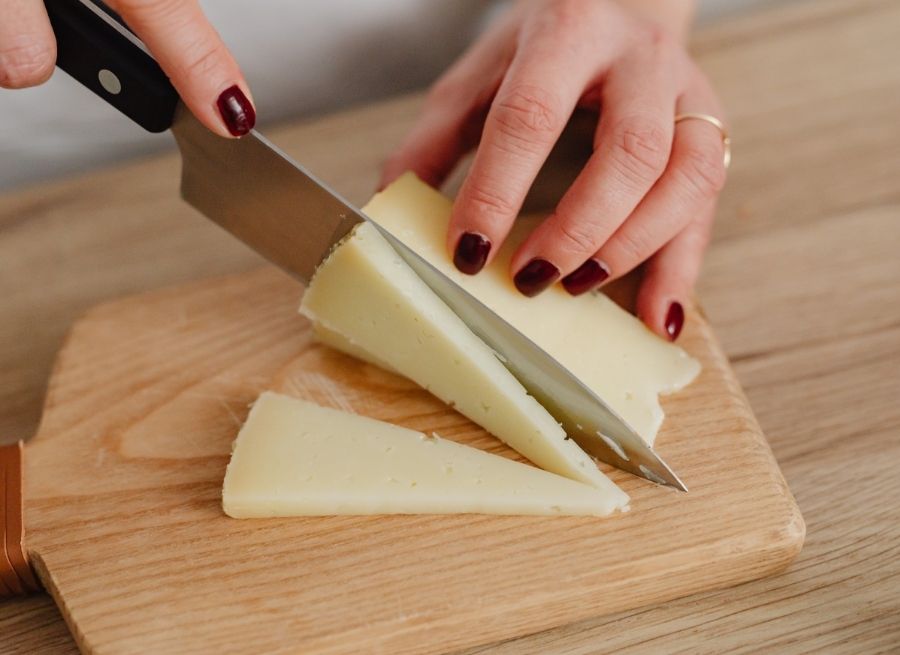
Choosing the right cutting board affects the safety of your food and the health of your knives. Hygiene is a key factor in this choice. Different materials hold and spread bacteria in unique ways. Understanding these differences helps keep your kitchen clean and safe.
Bacterial Growth On Wood
Wood has natural properties that slow bacterial growth. Its porous surface absorbs moisture, but it also traps bacteria inside. Studies show bacteria on wood die faster than on some plastics. Wood’s fibers can break down bacteria over time. Regular cleaning is still necessary to keep wood boards safe.
Sanitizing Plastic Boards
Plastic cutting boards are easier to clean with strong soaps and bleach solutions. They do not absorb moisture, so bacteria stay on the surface. Scratches on plastic boards can trap bacteria, making cleaning harder. Washing plastic boards in a dishwasher can kill most germs. However, deep cuts require replacing the board to avoid risks.
Cross-contamination Risks
Cross-contamination happens when bacteria spread from one food to another. Both wood and plastic boards can transfer germs if not cleaned properly. Using separate boards for raw meat and vegetables reduces this risk. Color-coded boards help prevent mix-ups in busy kitchens. Proper cleaning after each use is essential for safety.
Environmental Considerations
Environmental impact matters when choosing a cutting board. Both wood and plastic affect the planet differently. Understanding these effects helps make a better choice for your kitchen and the earth.
Sustainability Of Wood Boards
Wood cutting boards come from trees, a natural resource. Many wood boards use hardwoods like maple or bamboo. Bamboo grows fast and is a renewable resource. Wood boards can last for years with proper care. They break down naturally at the end of their life. This reduces landfill waste compared to plastic. Choosing wood from certified forests supports sustainable practices.
Plastic Waste And Recycling
Plastic cutting boards are made from petroleum-based materials. They do not break down easily and can stay in landfills for centuries. Some plastic boards can be recycled, but options are limited. Recycling depends on local facilities and the type of plastic. Plastic waste contributes to pollution in oceans and land. Single-use or cheap plastic boards increase environmental harm. Reducing plastic use helps lower this impact.
Cost And Availability
Cost and availability are important when choosing a cutting board. The price affects your budget. Availability means how easy it is to buy the board. Both wood and plastic boards have different price points and availability in stores and online. Understanding these differences helps you pick the best option for your kitchen and knives.
Price Range For Wood Boards
Wood cutting boards usually cost more than plastic ones. The price depends on the type of wood and size. Small wood boards start around $20. Larger or high-quality boards can cost over $100. Hardwood boards like maple or walnut are pricier but last longer. Wood boards may need extra care, adding to the cost over time.
Plastic Board Affordability
Plastic cutting boards are generally cheaper and easy to find. Prices start as low as $5 for small boards. Bigger plastic boards often cost less than $30. Plastic boards are common in most stores and online shops. They offer a budget-friendly option for many kitchens without sacrificing function.
Choosing The Right Board For Your Needs
Choosing the right cutting board affects your kitchen work and knife health. The material of the board plays a key role. It can protect or dull your knives faster. This choice depends on how you cook and what you need. Wood and plastic are the most common options. Each has clear benefits and some downsides.
Think about your cooking style and knife type. Also, consider how often you use your board. Cleaning and maintenance are important too. Picking a board that fits your needs saves money and keeps knives sharp longer.
Best Boards For Professional Chefs
Professional chefs often pick wood boards. Wood is gentle on knife blades. It helps keep knives sharp longer. Hardwoods like maple and walnut are top choices. They resist deep cuts and last many years.
Wood also absorbs less bacteria when cleaned properly. Chefs prefer boards that can stand heavy daily use. Wood boards can be sanded down to remove deep cuts. This extends the board’s life and keeps a smooth surface.
Plastic boards are less common in professional kitchens. They can wear down knives faster. Yet, some chefs use plastic for quick tasks or raw meat. Plastic boards are lighter and dishwasher safe, making cleaning easy.
Options For Home Cooks
Home cooks have more flexibility in choosing boards. Plastic boards are popular for easy cleaning. They suit many kitchens because they are affordable and come in bright colors. This helps prevent cross-contamination by using different colors for meats and vegetables.
Wood boards also fit well in home kitchens. They look nice and add a natural feel. Wood boards need more care. Regular oiling keeps them from drying out and cracking. Home cooks who enjoy cooking often prefer wood for its durability and knife care.
Both wood and plastic boards can work well at home. Choose based on cleaning habits, cooking style, and budget. A mix of both types is common too. One board for meats, another for vegetables helps keep food safe.
Frequently Asked Questions
Which Cutting Board Is Gentler On Knives, Wood Or Plastic?
Wood cutting boards are generally gentler on knives. They have a softer surface that helps maintain blade sharpness longer. Plastic boards are harder and may dull knives faster due to their firm texture. Choosing wood can extend your knife’s lifespan and preserve its edge better.
Are Wood Cutting Boards More Hygienic Than Plastic Ones?
Wood boards naturally resist bacteria due to their porous surface, which traps and kills microbes. Plastic boards can develop deep grooves that harbor bacteria if not cleaned properly. Proper cleaning is essential for both, but wood has a slight edge in natural antimicrobial properties.
Do Plastic Cutting Boards Damage Knives Faster Than Wood?
Yes, plastic boards tend to damage knives faster. Their harder, less forgiving surface causes more wear on blades during cutting. Wood’s softer texture cushions the knife edge, reducing dulling and prolonging blade sharpness. Choosing wood helps protect your knives over time.
How Often Should I Replace Wood Or Plastic Cutting Boards?
Replace cutting boards when deep grooves or cracks appear, regardless of material. These can harbor bacteria and affect food safety. Wood boards typically last longer with proper care, while plastic may show wear faster. Regular inspection ensures safe and effective cutting surfaces.
Conclusion
Wood cutting boards are gentle on your knives and last long. Plastic boards are easy to clean and good for raw meat. Choose based on your cooking habits and cleaning style. Both types can keep knives sharp if used right.
Think about what fits your kitchen and knife care. A good cutting board helps your knives stay sharp and safe. Choose wisely for better cooking and knife health.