Are your kitchen knives feeling dull and frustrating to use? Sharp knives make cooking faster, safer, and more enjoyable.
But sending them off to a professional sharpener every time can be costly and time-consuming. What if you could bring that sharp edge back yourself, right at home? In this guide, you’ll discover easy, safe methods to sharpen your kitchen knives.
By the end, you’ll have the confidence to keep your blades razor-sharp and ready for any meal. Ready to transform your cooking experience? Let’s get started.
Choosing The Right Sharpening Tools
Choosing the right tools to sharpen kitchen knives makes the process safer and more effective. Different tools suit different skill levels and knife types. Knowing the options helps pick the best one for your needs.
Whetstones
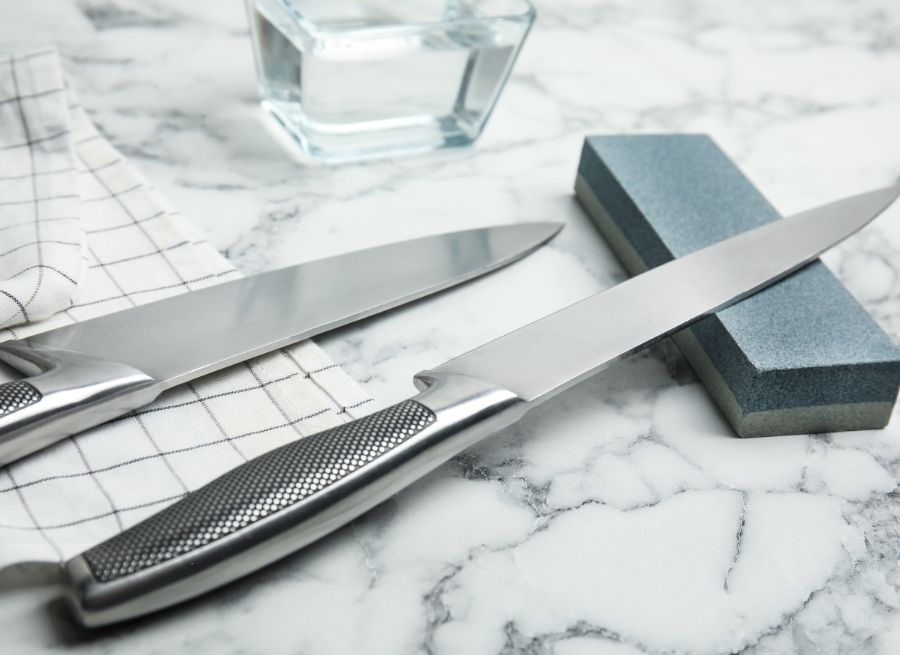
Whetstones are flat stones that sharpen knives by grinding the blade. They come in various grits, from coarse to fine. Coarse stones fix dull or damaged edges. Fine stones polish and smooth the blade. Using a whetstone takes practice but gives precise control. Soak the stone in water before use. Hold the knife at a steady angle, usually 15 to 20 degrees. Move the blade across the stone evenly. Whetstones are affordable and last long with care.
Sharpening Rods
Sharpening rods, also called honing rods, realign the knife’s edge. They do not remove much metal but keep the blade sharp between full sharpenings. Rods come in steel, ceramic, or diamond-coated versions. Steel rods are best for regular touch-ups. Ceramic rods remove more metal and sharpen better. Diamond rods work well on very dull knives. Hold the rod vertically and swipe the blade down at 15 degrees. Keep steady pressure for safety and even sharpening.
Electric Sharpeners
Electric sharpeners offer quick and easy knife sharpening. They have motorized grinding wheels inside. Insert the blade into the slots and pull through slowly. The machine controls the angle and pressure. Good for beginners or busy cooks. Some models have multiple stages for coarse and fine sharpening. Clean the sharpener regularly to avoid metal dust buildup. Use with care to avoid removing too much metal from the blade.
Sharpening Systems
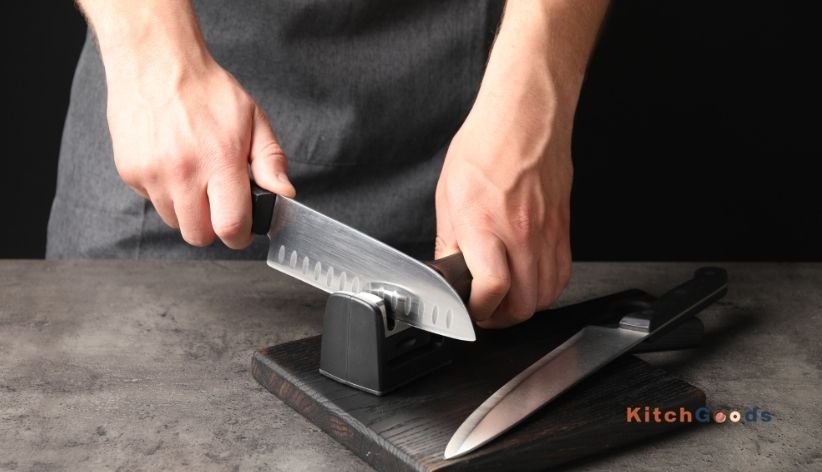
Sharpening systems guide the blade for consistent sharpening angles. They include clamps or guides to hold the knife steady. Systems often use stones or rods attached to a frame. This setup helps beginners sharpen safely and evenly. The angle stays constant, preventing damage to the blade. Systems cost more but provide reliable results. Follow the instructions carefully for best performance.
Preparing Your Workspace
Preparing your workspace is the first step to sharpening kitchen knives safely. A good setup helps you work efficiently and avoid accidents. A clean, organized area makes the sharpening process easier and faster. Take time to prepare before you start. This makes a big difference in the results and safety.
Selecting A Stable Surface
Choose a flat and sturdy surface to work on. A kitchen counter or table works well. Avoid uneven or shaky surfaces. Stability keeps the knife and sharpening tool steady. This reduces the risk of slips and cuts. Use a non-slip mat or damp cloth under your sharpening stone if needed.
Ensuring Proper Lighting
Good lighting helps you see the knife edge clearly. Natural light or bright white bulbs work best. Avoid dim or yellow lights. Position your light source so it does not create shadows on your work area. Clear visibility helps maintain control and sharpens the blade evenly.
Safety Precautions
Keep your workspace clear of clutter and distractions. Remove any items that could fall or get in the way. Always wear protective gloves if you feel unsure. Keep your fingers away from the knife edge. Work slowly and carefully to avoid accidents. Have a first aid kit nearby just in case.
Knife Inspection Before Sharpening
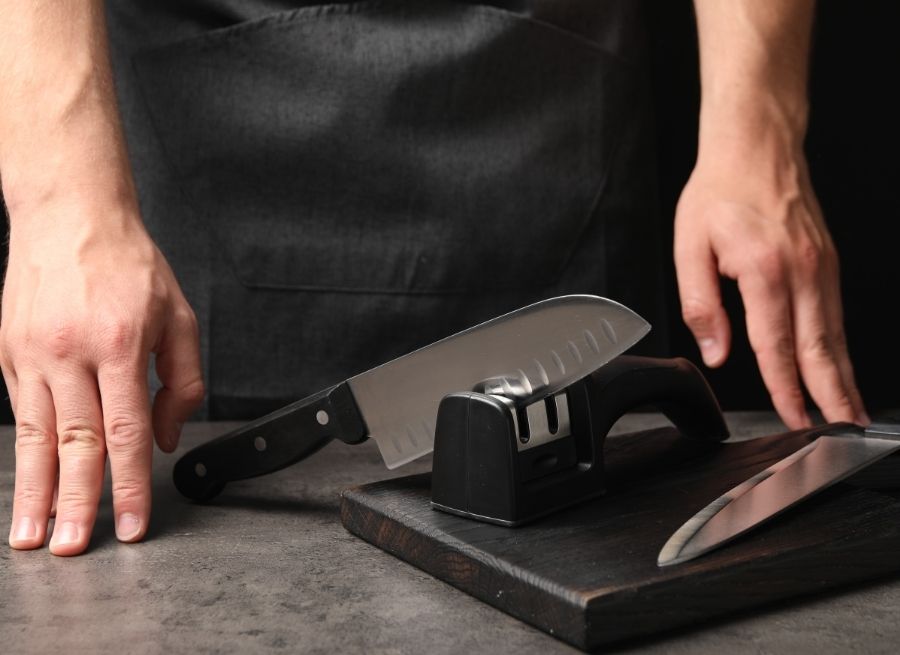
Before sharpening kitchen knives, it is important to inspect them carefully. This step helps ensure safety and better results. A good inspection can show the knife’s current condition and what type of sharpening it needs.
Checking Blade Condition
Look at the blade closely under good light. Check if it is clean and dry. Dirt or oil can hide problems. Notice if the blade edge is dull or sharp. Run your finger gently along the edge to feel for nicks or rough spots. This helps prepare for proper sharpening.
Identifying Knife Type
Different knives need different sharpening methods. Identify if the knife is a chef’s knife, paring knife, or serrated blade. Each type has a unique edge shape. Knowing the type helps choose the right sharpening tool. It also prevents damage to the blade.
Assessing Blade Damage
Check for chips, cracks, or bends on the blade. Serious damage might need professional repair or replacement. Small chips can be fixed with careful sharpening. Bent blades require straightening before sharpening. Assessing damage ensures safe and effective sharpening.
Step-by-step Sharpening Process
Sharpening kitchen knives at home is simple with the right steps. Follow this step-by-step sharpening process to make your knives sharp and safe to use. Each step helps improve the blade’s edge for better cutting performance. Use a whetstone and some patience to get great results. Let’s start with preparing the stone.
Soaking And Preparing The Whetstone
Start by soaking your whetstone in water for 5 to 10 minutes. This softens the stone and helps it work better. Keep the stone wet during sharpening by splashing water on it. Place the stone on a flat, stable surface to avoid slipping. A towel under the stone can help hold it steady.
Maintaining The Correct Angle
Hold the knife at a 15 to 20-degree angle against the stone. This angle is perfect for kitchen knives. Use your fingers to feel the angle and keep it steady. Consistent angle keeps the blade edge sharp and even. Avoid changing the angle while sharpening.
Sharpening The Blade
Move the knife blade across the whetstone in smooth strokes. Push the blade away from you while keeping the angle steady. Sharpen one side of the blade first, then switch to the other side. Repeat this motion 10 to 15 times per side. Check the blade edge for sharpness after each round.
Honing The Edge
After sharpening, use a honing rod to align the blade edge. Hold the rod vertically and slide the blade down at the same angle. Do this five to six times on each side. Honing fixes small bends in the edge and keeps the knife sharp longer. Wipe the blade clean before use.
Testing Sharpness
Testing your knife’s sharpness is key after sharpening. It shows if the blade cuts well and is safe to use. Use simple tests at home to check the edge.
These quick tests help you see if the blade slices cleanly. They also help avoid accidents with dull or too sharp knives. Try each test carefully and watch your fingers.
Paper Test
Hold a sheet of paper in one hand. Use your knife to slice through the paper. A sharp knife cuts smoothly without tearing. If the blade drags or tears, it needs more sharpening. This test works for most kitchen knives.
Tomato Test
Pick a ripe tomato with thin skin. Try to slice the skin with little pressure. A sharp knife cuts the skin easily without squashing the tomato. If you must press hard or the skin slips, the knife is dull. This test is great for knives used for vegetables.
Thumb Test
Gently run your thumb across the blade’s edge, not along it. Do not press hard to avoid cuts. A sharp edge feels smooth but has a slight bite. If the edge feels rounded or blunt, sharpen it more. This test requires caution and focus.
Cleaning And Storing Knives Post-sharpening
Cleaning and storing knives after sharpening is vital. It keeps the blades sharp and safe to use. Proper care stops rust and damage. Follow these steps for the best results.
Removing Metal Residue
Sharpening leaves tiny metal particles on the blade. These bits can cause rust or dull the knife fast. Use a soft cloth with warm water and mild soap to wipe the blade. Rinse well to clear all residue. Avoid harsh scrubbing to protect the edge.
Proper Drying Techniques
Wet knives can rust quickly. Dry the blade carefully with a clean towel. Pat, do not rub, to avoid dulling the edge. Let the knife air dry for a few minutes before storing. This prevents moisture build-up that damages the metal.
Safe Storage Options
Store knives where blades stay protected. Use a wooden block, magnetic strip, or blade guard. Avoid tossing knives in drawers with other tools. This causes nicks and accidents. Proper storage keeps knives sharp and your kitchen safe.
Common Mistakes To Avoid
Sharpening kitchen knives at home is useful and saves money. But many people make common mistakes. These errors can damage your knives or cause injury. Avoiding these mistakes helps keep your knives sharp and safe to use.
Using Incorrect Angles
Holding the knife at the wrong angle is a frequent error. Each knife needs a specific sharpening angle, usually between 15 and 20 degrees. Using too steep or too flat an angle can dull the blade. It can also wear down the knife unevenly. Practice keeping a steady angle to get the best results.
Sharpening Too Frequently
Sharpening your knife every day is not necessary. Sharpening wears away metal and shortens the blade life. Instead, sharpen only when the knife feels dull or struggles to cut. Use a honing rod regularly to maintain the edge without over-sharpening.
Neglecting Safety Measures
Ignoring safety is dangerous when sharpening knives. Always keep fingers away from the blade edge. Use a stable surface to avoid slips. Wearing cut-resistant gloves adds extra protection. Take your time and focus on each stroke to prevent accidents.
Maintaining Knife Sharpness Between Sharpenings
Keeping your kitchen knives sharp between sharpenings helps them last longer. Sharp knives make cutting safer and easier. Small steps can keep the edge in good shape until the next sharpening session.
Regular Honing
Honing straightens the knife’s edge without removing metal. Use a honing rod often, ideally before or after cooking. Hold the rod vertically and slide the knife blade down at a 15-degree angle. Repeat on both sides five to ten times. Honing keeps the blade aligned and ready to cut well.
Proper Usage
Use your knives only for their intended tasks. Avoid cutting on hard surfaces like glass or stone. Choose wooden or plastic cutting boards instead. Do not twist or pry with the knife. These habits prevent dulling and damage. Proper use keeps the blade sharper longer.
Routine Cleaning
Clean knives by hand right after use. Use warm water and mild soap. Dry them immediately with a soft cloth. Avoid the dishwasher, which can dull blades and cause rust. Keeping knives clean and dry stops corrosion and maintains sharpness.
Frequently Asked Questions
How Often Should I Sharpen Kitchen Knives At Home?
Sharpen kitchen knives every 1 to 3 months depending on use. Frequent sharpening keeps blades sharp and safe. Regular honing between sharpening maintains edge quality and extends knife life.
What Tools Are Best For Sharpening Kitchen Knives Safely?
Use whetstones, sharpening rods, or electric sharpeners designed for kitchen knives. Whetstones provide precise control. Sharpening rods offer quick touch-ups. Electric sharpeners are easy but use carefully to avoid damage.
Can I Sharpen Kitchen Knives Without Professional Help?
Yes, you can safely sharpen knives at home with the right tools and technique. Follow step-by-step guides and practice caution. Proper sharpening improves cutting efficiency and safety.
Is Honing The Same As Sharpening Kitchen Knives?
No, honing realigns the blade edge, while sharpening removes metal to create a new edge. Hone regularly to maintain sharpness. Sharpen only when blades become dull or damaged.
Conclusion
Sharpening kitchen knives at home is safe and simple. Use the right tools and follow steps carefully. Keep your knives clean and dry before sharpening. Take your time to avoid accidents or damage. Regular sharpening makes cutting easier and safer.
Practice often to improve your technique. Sharp knives help cook faster and more comfortably. Stay patient and focused during the process. You can enjoy better cooking with sharp, well-maintained knives.