Last Updated on October 4, 2026
Your kitchen knives are one of your most important tools, but nothing is more frustrating than trying to cut with a dull blade. When your knives stay sharp longer, cooking becomes faster, safer, and more enjoyable.
Imagine slicing through tomatoes like butter or chopping vegetables with ease every time you cook. You’ll discover 5 simple tips that can help you keep your kitchen knives sharp for longer. These easy habits will save you time, money, and effort.
Keep reading to learn how to take care of your knives the right way and make your kitchen work smoother than ever.
Choose The Right Sharpener
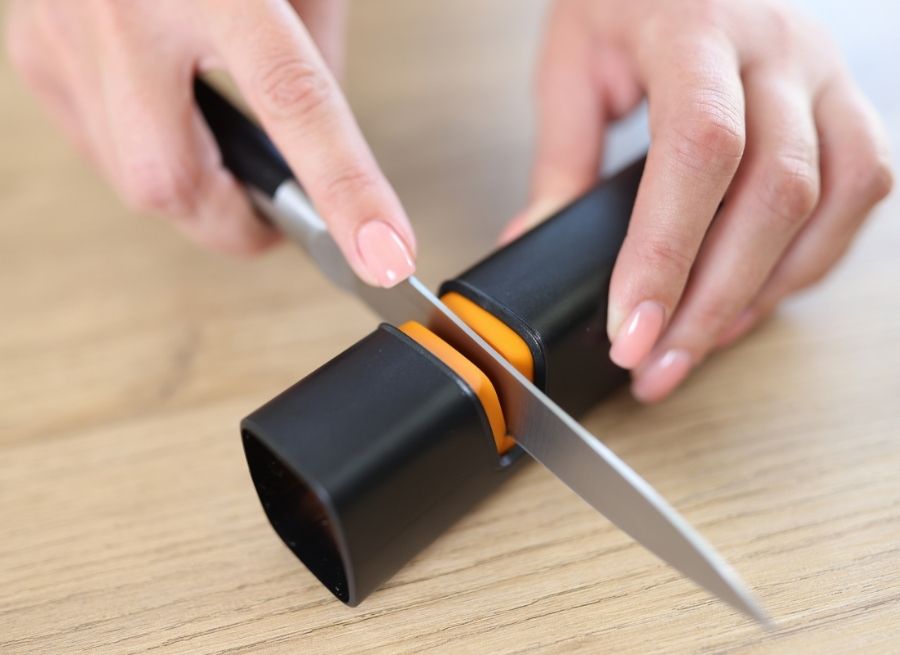
Choosing the right sharpener plays a key role in keeping your kitchen knives sharp for longer. The right tool makes the sharpening process easy and effective. It helps protect your knives and improves their cutting performance. Understanding different types of sharpeners guides you to pick the best one for your needs.
Manual Vs Electric Options
Manual sharpeners are simple and budget-friendly. They usually have slots with sharpening stones or rods. You pull the knife through to sharpen the blade. These sharpeners give you more control over the angle and pressure. They work well for small jobs and quick touch-ups.
Electric sharpeners are faster and need less effort. They have rotating wheels that sharpen the knife automatically. These are good for very dull knives or frequent sharpening. They save time but can remove more metal from the blade. Choose electric sharpeners if you want convenience over control.
When To Use A Sharpening Stone
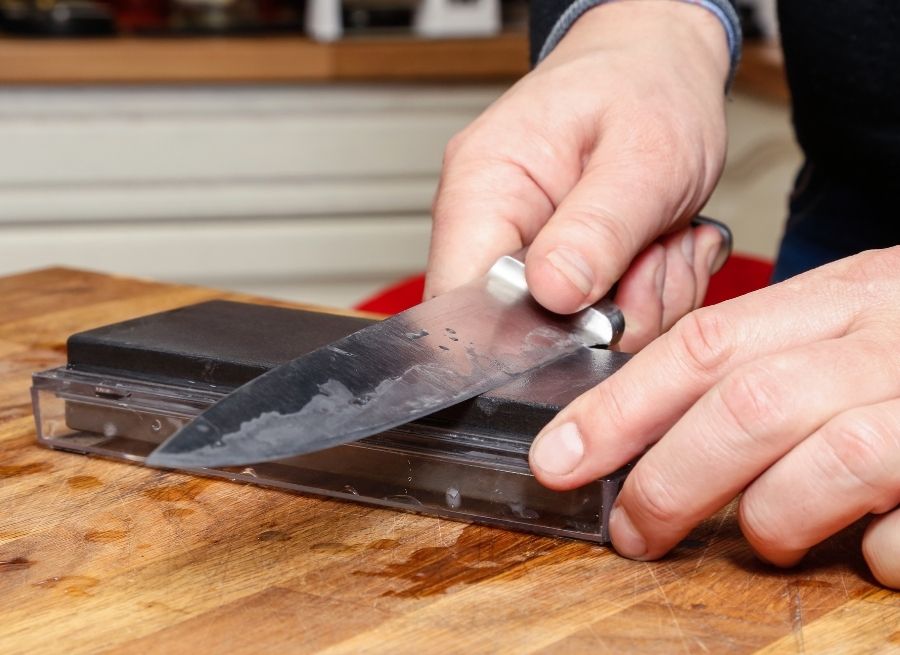
Sharpening stones are ideal for serious knife care. They need skill and patience to use correctly. Stones allow you to sharpen at the perfect angle. They work best for high-quality knives and professional chefs.
Use stones when knives are very dull or damaged. Stones can reshape the blade and restore sharpness. They take longer but give the best results. Keep your stones wet during use for smooth sharpening.
Proper Storage Techniques
Proper storage keeps kitchen knives sharp and safe. Storing knives correctly stops the blades from hitting hard surfaces. This helps avoid dullness and damage. It also protects your fingers and keeps your kitchen tidy.
Magnetic Strips
Magnetic strips hold knives firmly on the wall. This keeps blades separate and prevents scratches. Knives stay dry and clean on these strips. They save counter space and make knives easy to reach. Make sure to place knives carefully to avoid accidents.
Knife Blocks And Sheaths
Knife blocks offer a safe place to store knives. They keep blades away from other utensils. Blocks protect the sharp edges and help prevent dulling. Sheaths cover individual blades for extra protection. They are perfect for travel or drawer storage. Both options extend the life of your knives.
Regular Honing Habits
Keeping your kitchen knives sharp takes more than just occasional sharpening. Regular honing helps maintain the edge and extends the knife’s life. It aligns the blade’s edge, keeping it straight and ready for cutting tasks.
Honing is a simple habit to add to your kitchen routine. It only takes a few minutes but makes a big difference. Learning the basics of honing will help you care for your knives better.
Honing Vs Sharpening
Honing and sharpening are not the same. Honing realigns the blade without removing much metal. Sharpening removes metal to create a new edge. Sharpening happens less often, usually after honing no longer helps.
Think of honing as a touch-up and sharpening as a full repair. Regular honing keeps the blade straight and smooth. Sharpening fixes a dull or damaged edge.
How Often To Hone
Hone your knives after every few uses. For home cooks, honing once a week works well. Professional chefs may hone daily. The more you use your knives, the more often you should hone.
Honing is quick and easy. It prevents the knife from becoming dull between sharpenings. Add it to your cooking prep for sharper, safer knives.
Safe Cutting Surfaces
Choosing the right cutting surface helps keep your kitchen knives sharp. Hard or rough surfaces can dull blades quickly. Soft surfaces protect the edges and extend knife life. Pick boards that match your cutting habits and knife types. This helps maintain sharpness and improves safety.
Wood Vs Plastic Boards
Wood cutting boards are gentle on knives. They absorb impact and reduce blade wear. Wood also has natural antibacterial properties. Plastic boards are easier to clean and lighter. They can get deep cuts that trap bacteria. Plastic boards may dull knives faster than wood. Change plastic boards often to avoid damage.
Avoiding Hard Surfaces
Never cut on glass, stone, or metal surfaces. These materials quickly damage knife edges. Hard surfaces cause chips and cracks on blades. Use cutting boards made for kitchen knives only. Avoid countertops or plates for cutting tasks. Protect knives by always choosing soft surfaces.
Cleaning And Maintenance Tips
Keeping your kitchen knives sharp starts with proper cleaning and maintenance. Dirt, food particles, and moisture can dull blades quickly. Careful cleaning protects the knife’s edge and prevents rust. Simple habits make a big difference in knife life. Follow these tips to keep your knives in top shape after each use.
Hand Washing Techniques
Always wash knives by hand. Avoid putting them in the dishwasher. The dishwasher’s heat and harsh detergents damage blades and handles. Use warm water and mild dish soap. Gently scrub the blade with a soft sponge or cloth. Do not use abrasive pads or steel wool. Rinse well to remove all soap. Handle the knife carefully to avoid cuts.
Drying And Storage After Use
Dry knives immediately after washing. Use a soft, clean towel to prevent water spots and rust. Do not air dry knives on the counter or in a dish rack. Store knives in a knife block, magnetic strip, or protective sheath. Avoid tossing knives loosely in drawers. Proper storage keeps edges sharp and protects blades from damage.
Frequently Asked Questions
How Often Should I Sharpen My Kitchen Knives?
Sharpen your kitchen knives every 1 to 3 months, depending on use. Frequent sharpening keeps blades sharp and efficient for cutting tasks.
What Is The Best Way To Store Kitchen Knives?
Store kitchen knives in a knife block, magnetic strip, or protective sheath. Proper storage prevents blade damage and keeps knives sharp longer.
Can Honing Replace Sharpening For Kitchen Knives?
Honing realigns the knife’s edge but doesn’t sharpen it. Regular honing maintains sharpness between sharpening sessions for better performance.
Which Sharpening Tools Are Best For Kitchen Knives?
Use whetstones, sharpening steels, or electric sharpeners. Choose based on skill level and knife type for effective and safe sharpening.
Conclusion
Keeping your kitchen knives sharp makes cooking safer and easier. Use these five tips every day. Wipe knives clean and dry them after use. Store them properly in a knife block or magnetic strip. Sharpen blades regularly with a whetstone or sharpener.
Avoid cutting on hard surfaces like glass or stone. These small steps help your knives last longer and perform better. Sharp knives save time and effort in the kitchen. Try these tips to keep your knives ready for any meal.