Last Updated on October 4, 2026
Cleaning up is part of every cooking routine, but not every kitchen tool should be washed the same way. Some items can go straight into the dishwasher without a second thought, while others need gentle hand washing to avoid damage, dullness, rust, or warping. That is why many home cooks ask the same question: is dishwasher cleaning or hand washing better for kitchen tools?
The answer depends on the type of tool, the material it is made from, and how often you use it. Dishwashers offer convenience, speed, and sanitation, but they can be too harsh for certain items. Hand washing takes more effort, but it is often the safer choice for protecting high-quality tools and extending their lifespan. Understanding when to use each method can help keep your kitchen tools cleaner and in better condition for years.
Dishwasher vs Hand Washing: Quick Answer
The dishwasher is better for convenience, time-saving, and cleaning many everyday kitchen items at once. Hand washing is better for delicate, sharp, wooden, nonstick, and high-quality kitchen tools that can be damaged by heat, detergent, or prolonged moisture.
In simple terms:
- Use the dishwasher for durable, dishwasher-safe tools, utensils, plates, and many everyday items.
- Use hand washing for knives, wooden utensils, cast iron, fine cookware, insulated containers, and anything labeled hand wash only.
For most kitchens, the best approach is not choosing one over the other completely. It is knowing which tools belong in each category.
Why Washing Method Matters for Kitchen Tools
Kitchen tools are made from many different materials, including stainless steel, wood, silicone, plastic, glass, aluminum, and nonstick-coated metals. Each reacts differently to heat, water pressure, detergent strength, and drying conditions.
A dishwasher may be perfectly safe for one item and surprisingly damaging for another. Over time, the wrong cleaning method can cause blades to dull, handles to loosen, wood to crack, coatings to wear away, and metal parts to corrode. Choosing the right washing method helps protect both the performance and lifespan of your kitchen tools.
How Dishwashers Clean Kitchen Tools
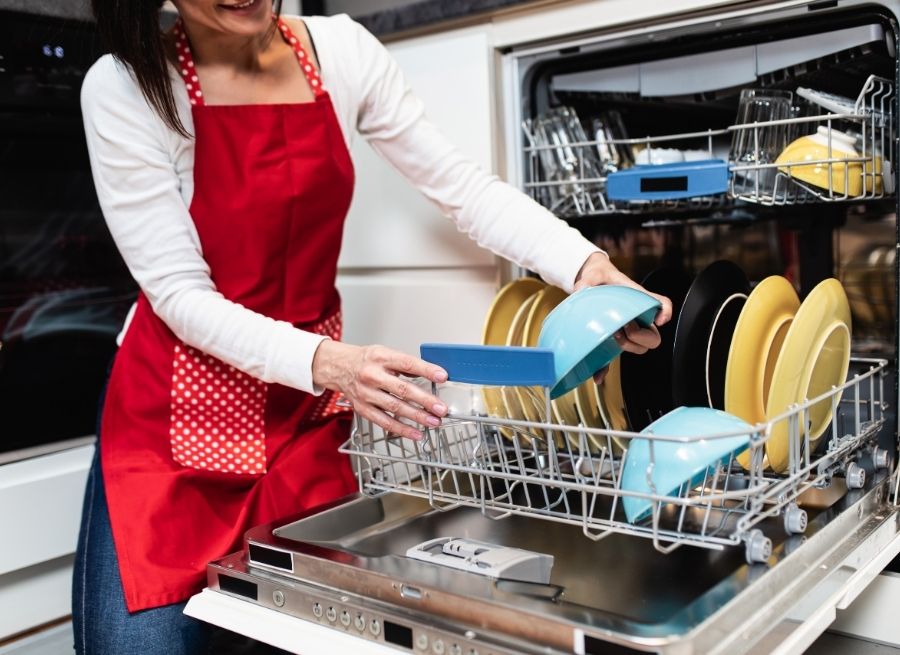
Dishwashers clean using a combination of hot water, detergent, powerful spray action, and heat drying. This makes them highly effective for removing grease, food residue, and bacteria from many common kitchen items.
Advantages of Using a Dishwasher
- Saves time and effort
- Cleans many items at once
- Uses high temperatures for effective cleaning
- Convenient for busy households
- Reduces the need for constant sink scrubbing
Disadvantages of Using a Dishwasher
- Can be too harsh for delicate tools
- High heat may warp or damage some materials
- Strong detergent can dull finishes or coatings
- Items can knock against each other during the cycle
- Not all tools are truly dishwasher-safe long term
Just because an item fits in the dishwasher does not always mean it belongs there.
How Hand Washing Cleans Kitchen Tools
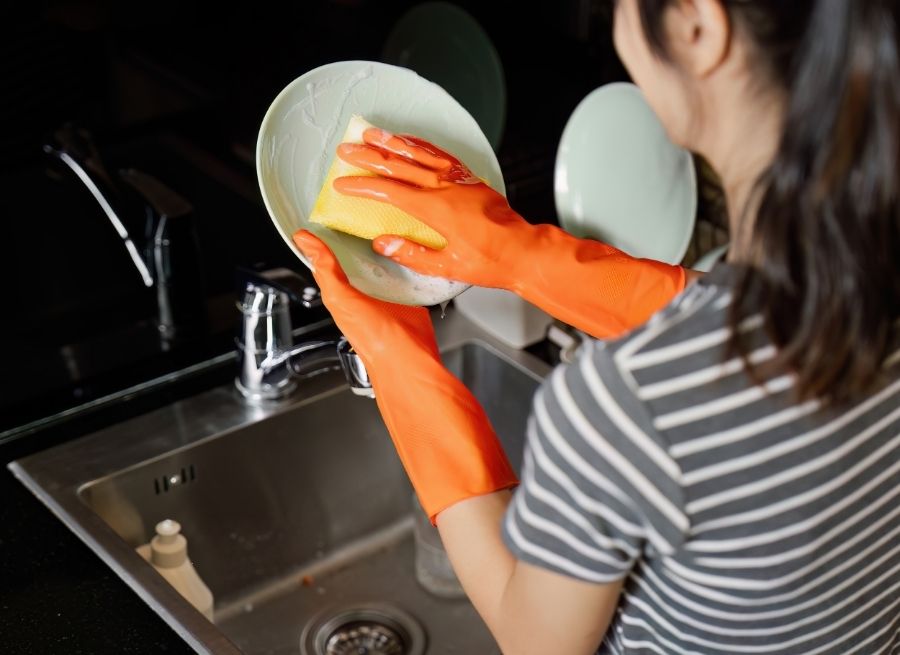
Hand washing uses warm water, dish soap, and manual scrubbing to clean tools individually. While it takes more time, it gives you greater control and reduces the risk of harsh treatment.
Advantages of Hand Washing
- Gentler on delicate materials
- Better for preserving sharp edges and coatings
- Reduces risk of warping, cracking, or corrosion
- Allows immediate cleaning after use
- Helps extend the life of premium kitchen tools
Disadvantages of Hand Washing
- Takes more time and effort
- Less convenient for large loads
- May not sanitize as aggressively as a hot dishwasher cycle
- Requires more attention to drying and storage
For many high-quality kitchen tools, though, the extra effort is worth it.
Which Kitchen Tools Are Better in the Dishwasher?
Many everyday kitchen items do perfectly well in the dishwasher, especially if they are made from durable, dishwasher-safe materials.
Common Tools That Are Usually Dishwasher Safe
- Stainless steel spoons and forks
- Many silicone utensils
- Glass food containers
- Ceramic plates and bowls
- Dishwasher-safe plastic containers
- Measuring cups and measuring spoons made for dishwasher use
- Metal mixing bowls without delicate finishes
When the Dishwasher Is the Better Choice
The dishwasher is usually the better option when the item is durable, used frequently, and not affected by high heat or strong detergent. It is especially helpful for routine cleanup after meals when you have multiple utensils, dishes, and prep tools to wash at once.
If the manufacturer clearly labels an item as dishwasher-safe, it can usually handle normal dishwasher use. Still, even some dishwasher-safe tools may last longer if occasionally washed by hand instead.
Which Kitchen Tools Are Better Washed by Hand?
Some tools are much better off being hand washed, even if dishwasher use seems tempting. This is especially true for tools where performance matters, such as knives, specialty cookware, and wooden utensils.
Kitchen Tools That Should Usually Be Hand Washed
- Chef knives, santoku knives, and paring knives
- Wooden spoons, cutting boards, and rolling pins
- Cast iron pans
- Nonstick cookware
- Fine china or delicate glassware
- Insulated mugs and bottles
- Kitchen shears with special finishes or removable parts
- Graters, peelers, and sharp-edged prep tools
- Aluminum cookware that may discolor
Why Hand Washing Is Better for These Items
These tools often suffer in the dishwasher because of prolonged exposure to moisture, rough contact with other items, intense detergent, or high heat. Hand washing is gentler and allows you to clean the item quickly, dry it thoroughly, and put it away before damage has a chance to develop.
Dishwasher vs Hand Washing for Specific Kitchen Tools
To make the choice easier, here is how the two methods compare across common kitchen tools.
Knives
Hand washing is better. Dishwashers can dull blades, damage handles, and cause knives to bang against other items. High-quality kitchen knives should be washed by hand, dried immediately, and stored properly.
Wooden Utensils
Hand washing is better. Dishwasher heat and water exposure can dry out wood, cause cracking, swelling, or splitting, and shorten the life of wooden spoons, spatulas, and cutting boards.
Silicone Utensils
The dishwasher is usually fine. Most silicone utensils are dishwasher-safe and durable enough to handle regular cycles. Still, checking the manufacturer’s instructions is always a good idea.
Nonstick Pans
Hand washing is usually better. Even when some nonstick pans are labeled dishwasher-safe, repeated dishwasher cleaning can wear down the coating over time. Gentle hand washing helps preserve the nonstick surface longer.
Stainless Steel Utensils
The dishwasher is usually better for convenience. Basic stainless steel utensils generally handle dishwasher use well and are among the easiest items to clean this way.
Cast Iron
Hand washing only. Cast iron should never go in the dishwasher. It can rust and lose its seasoning, which affects both performance and longevity.
Plastic Food Containers
It depends. Dishwasher-safe plastic containers can usually go in the dishwasher, especially on the top rack. However, hand washing may help preserve shape and reduce wear over time.
Glass Containers
The dishwasher is often fine. Most quality glass food containers do well in the dishwasher, though lids may need more careful handling depending on the material.
Dishwasher vs Hand Washing Comparison Table
| Factor | Dishwasher | Hand Washing |
|---|---|---|
| Convenience | Excellent for large loads | Less convenient |
| Gentleness on tools | Can be harsh | Usually gentler |
| Best for sharp tools | Not ideal | Best choice |
| Best for wood | Not recommended | Best choice |
| Best for everyday utensils | Very good | Also fine |
| Time required | Lower active effort | Higher active effort |
| Long-term tool preservation | Varies by item | Usually better |
| Control over cleaning | Less control | More control |
Is the Dishwasher More Hygienic?
In many cases, the dishwasher can provide a more thorough high-heat clean, especially for dishes, utensils, and food containers. The hot water and heated drying cycle can help reduce residue and sanitize effectively when the machine is working properly.
However, hygiene also depends on the condition of the dishwasher itself. A dirty dishwasher with trapped food debris or buildup will not clean as effectively. Hand washing can still be very hygienic when done with hot water, soap, proper scrubbing, and complete drying.
So while the dishwasher often has an edge for sanitation, hand washing is still perfectly effective when done correctly.
Is Hand Washing Better for Extending Tool Life?
Yes, in many cases hand washing is better for extending the life of kitchen tools. This is especially true for:
- Sharp knives
- Wooden tools
- Nonstick cookware
- Premium kitchen gadgets
- Specialty bakeware
The reason is simple: hand washing avoids the combination of high heat, harsh detergent, prolonged wetness, and item-to-item contact that can slowly wear tools down. If you want your best kitchen tools to last as long as possible, hand washing is often the safer choice.
When the Dishwasher Makes the Most Sense
Even though hand washing is gentler for many tools, the dishwasher is still extremely useful in daily kitchen life.
The Dishwasher Is Best When:
- You have a large number of everyday items to clean
- The tools are labeled dishwasher-safe
- You want to save time after cooking
- You are cleaning plates, bowls, cups, and basic utensils
- You need a practical solution for a busy household
For families or frequent cooks, using the dishwasher for durable items can make kitchen cleanup much easier and more consistent.
When Hand Washing Makes the Most Sense
Hand washing is worth the extra effort when the tool is expensive, delicate, sharp, or vulnerable to heat and moisture damage.
Hand Washing Is Best When:
- The tool has a sharp blade
- The material is wood or cast iron
- The cookware has a nonstick surface
- The item is premium or specialty kitchen equipment
- You want to maximize long-term performance and durability
In these cases, a few minutes of careful washing can save you from replacing the item much sooner than necessary.
How to Decide Which Method to Use
If you are ever unsure whether a kitchen tool belongs in the dishwasher or should be washed by hand, start with the manufacturer’s care instructions. That is always the most reliable answer.
Ask These Questions
- Is the item clearly labeled dishwasher-safe?
- Is it made from wood, cast iron, or delicate material?
- Does it have a sharp edge or special coating?
- Would high heat or strong detergent damage it?
- Is it a premium tool you want to protect for years?
If the answer suggests risk, hand washing is usually the smarter option.
Best Practices for Dishwasher Cleaning
If you use the dishwasher, a few habits can help protect your tools and improve results.
Load Items Properly
Do not overcrowd the dishwasher. Items need space for water to circulate properly, and crowding increases the risk of chips, scratches, and incomplete cleaning.
Place Lightweight Plastics on the Top Rack
The top rack is usually safer for plastic because it is farther from the heating element.
Keep Sharp Tools Out
Even if a knife technically survives a dishwasher cycle, it is rarely worth the risk to the blade and handle.
Use the Right Detergent Amount
Too much detergent can be unnecessarily harsh and may leave residue on some items.
Best Practices for Hand Washing
Hand washing works best when it is done promptly and carefully.
Wash Soon After Use
Food residue is easier to remove before it dries and hardens.
Use Warm Water and Mild Dish Soap
This is usually enough for most kitchen tools without being overly harsh.
Dry Immediately
Drying is especially important for knives, wood, and metal tools that may spot, rust, or weaken if left wet.
Do Not Soak Sensitive Items Too Long
Wooden utensils, knives, and some specialty tools should not sit in water for extended periods.
Final Thoughts
When comparing dishwasher vs hand washing for kitchen tools, neither method is universally better for everything. The dishwasher wins for convenience, speed, and cleaning large loads of durable everyday items. Hand washing wins for protecting delicate, sharp, wooden, nonstick, and premium kitchen tools.
The smartest approach is to use both methods strategically. Let the dishwasher handle the tools that are built for it, and reserve hand washing for the items that deserve extra care. That balance helps you save time without sacrificing the quality and lifespan of your kitchen essentials.
If convenience is your priority, the dishwasher is incredibly useful. If protecting your best kitchen tools matters most, hand washing is often the better choice.
Quick Recap
- Dishwasher: best for convenience and durable everyday kitchen items
- Hand washing: best for knives, wood, cast iron, nonstick, and premium tools
- Best for tool longevity: usually hand washing
- Best for large daily cleanup: usually the dishwasher
- Best overall approach: use both, depending on the tool