Last Updated on October 4, 2026
Are you thinking about upgrading your kitchen with stainless steel cookware? Before you make that purchase, there are some key things you need to know.
Choosing the right set can save you money, improve your cooking, and keep your meals tasting great. You’ll discover 7 important tips that will help you pick the best stainless steel cookware for your needs. Keep reading to avoid common mistakes and make a smart, confident choice.
Your future self will thank you every time you cook.
Types Of Stainless Steel
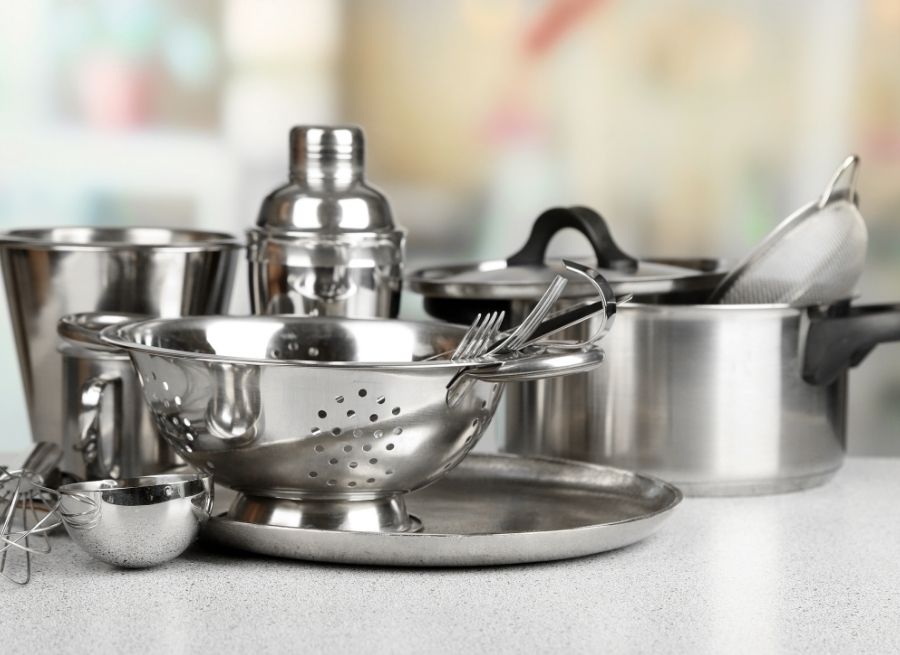
Understanding the types of stainless steel is key to choosing the right cookware. Not all stainless steel is the same. Different types have unique properties that affect cooking performance and durability.
Knowing these types helps you pick cookware that fits your needs and lasts longer. Focus on the steel’s grade, alloy, and magnetic nature for the best choice.
Grades And Alloys
Stainless steel grades indicate the steel’s quality and composition. Common grades include 18/10, 18/8, and 18/0. The numbers show the percentage of chromium and nickel. Chromium adds rust resistance. Nickel improves shine and corrosion resistance.
18/10 stainless steel has 18% chromium and 10% nickel. It is the most durable and rust-resistant. 18/8 is similar but has slightly less nickel. 18/0 contains no nickel and is less shiny but often magnetic.
Alloys influence heat conduction and durability. Cookware with proper alloys heats evenly and resists stains. Knowing grades and alloys helps you choose cookware that stays strong and cooks well.
Magnetic Vs Non-magnetic
Magnetic stainless steel works on induction cooktops. Non-magnetic types do not. To test, hold a magnet to the pan’s bottom. If it sticks, the pan is magnetic.
Magnetic cookware usually uses 18/0 stainless steel. It is less resistant to rust but works with induction. Non-magnetic pans often have 18/10 or 18/8 steel. These are better for regular stovetops and are more durable.
Choose magnetic pans for induction cooking. Pick non-magnetic for gas or electric stoves. This choice affects cooking efficiency and pan compatibility.
Construction And Layers
Understanding the construction and layers of stainless steel cookware helps you make a better choice. Cookware is made with different layers of metal. These layers affect how the pan heats and cooks food. The type of construction also influences durability and cleaning ease.
Clad Vs Non-clad Cookware
Clad cookware has several layers of metal fused together. Usually, it has stainless steel on the outside and inside. The middle layer is often aluminum or copper. This design improves heat conduction and prevents hot spots. Non-clad cookware is made of a single layer of stainless steel. It is less expensive but heats unevenly. Clad pans offer better cooking performance but cost more.
Impact On Heat Distribution
Layers in clad cookware spread heat evenly across the pan. This helps food cook uniformly without burning. Non-clad pans may have hot spots that cause food to stick or burn. Good heat distribution saves energy and reduces cooking time. It also improves the taste and texture of food. Choose cookware with multiple layers for better heat control.
Cookware Performance
Choosing stainless steel cookware means understanding how it performs during cooking. The performance affects your food’s taste and how fast you cook. Stainless steel is known for durability, but its cooking traits vary by design and quality.
Heat Retention
Good heat retention keeps food warm longer after cooking. Stainless steel on its own does not hold heat well. Most cookware adds an aluminum or copper core to fix this. These metals absorb heat quickly and keep it steady. This helps cook food evenly and avoids hot spots. Better heat retention means less energy use and better cooking results.
Cooking Efficiency
Cooking efficiency depends on how fast and evenly heat spreads. Stainless steel cookware with a thick base heats food evenly. Thin pans can cause burning or uneven cooking. A heavy bottom also helps maintain steady temperature. This saves time and energy. Efficient cookware reduces the chance of food sticking or burning. It makes cooking easier for all skill levels.
Maintenance Tips
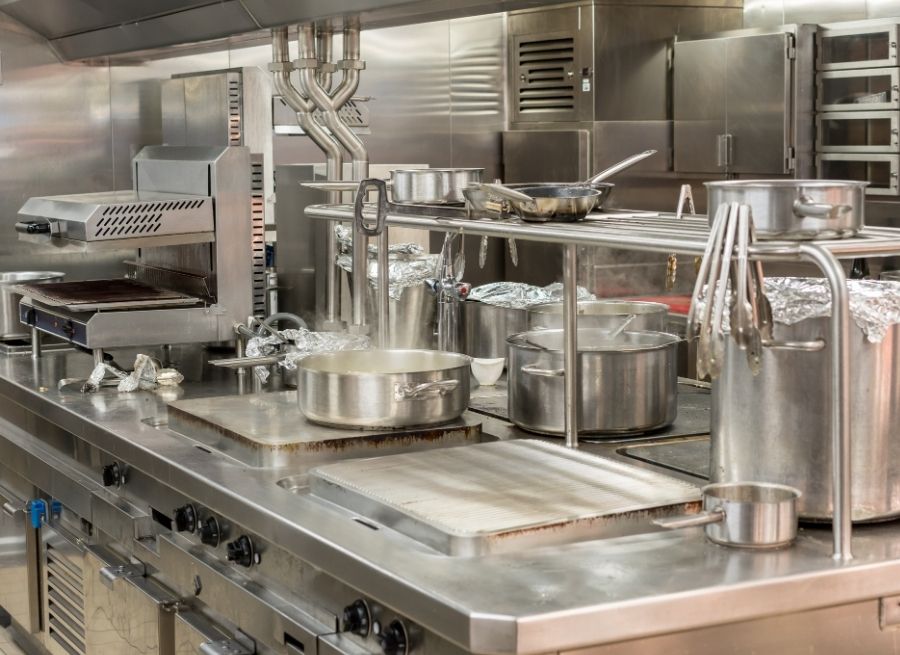
Proper care extends the life of stainless steel cookware. It keeps pots and pans shiny and working well. Knowing the right steps helps avoid damage and staining. Follow these simple tips to keep your cookware in top shape.
Cleaning Techniques
Wash cookware soon after use. Use warm water and mild dish soap. Avoid harsh scrubbers that can scratch the surface. A soft sponge or cloth works best. For stuck-on food, soak the pan before cleaning. Rinse well to remove all soap.
Dry cookware immediately after washing. This prevents water spots and rust. Use a soft towel rather than air drying. Regular cleaning keeps the cookware looking new.
Avoiding Stains And Discoloration
Heat cookware gently to prevent discoloration. Avoid very high heat unless the recipe calls for it. Do not leave empty pans on hot burners. Salt can cause pitting if added to cold water. Add salt only after water boils.
Use vinegar or baking soda to remove stains. Rub gently with a soft cloth. Avoid bleach or steel wool, which can damage the finish. Proper care keeps your cookware bright and shiny for years.
Safety And Health Factors
Safety and health are top priorities when choosing stainless steel cookware. Knowing how it affects your body helps you make a better choice. Some people may face health risks or allergic reactions. Understanding these factors keeps your kitchen safe and your meals healthy.
Nickel Allergies
Stainless steel often contains nickel. Nickel can cause allergic reactions in some people. Symptoms include skin rash, itching, or redness after contact. Those with nickel sensitivity should choose nickel-free or low-nickel cookware. Checking product labels helps avoid unwanted allergies.
Chemical Leaching Concerns
High-quality stainless steel rarely leaches chemicals into food. Poor quality or damaged cookware may release metals like nickel or chromium. Acidic foods can increase this leaching risk. Using well-made, certified cookware reduces health risks. Avoid cooking highly acidic dishes in worn-out pots.
Compatibility With Cooktops
Choosing stainless steel cookware means checking if it works well with your cooktop. Cooktops differ in how they heat pots and pans. Some need special materials for the cookware to heat properly. Understanding compatibility helps avoid wasted money and frustration.
Induction Readiness
Induction cooktops heat using magnets. Stainless steel must be magnetic to work on induction stoves. Not all stainless steel is magnetic. Look for cookware labeled “induction compatible” or test with a magnet. If the magnet sticks, the pan will work on induction.
Using non-magnetic pans on induction means no heat. This wastes time and energy. Choose stainless steel with a magnetic base for induction cooking.
Gas And Electric Use
Gas and electric cooktops heat differently than induction. Stainless steel cookware works well on both. Gas stoves offer direct flame, so sturdy cookware is best. Stainless steel can handle high heat without warping.
Electric cooktops have flat surfaces. Smooth-bottom stainless steel cookware sits well and heats evenly. Avoid warped or uneven bottoms. They reduce heat contact and slow cooking.
Budget And Longevity
Budget and longevity are key factors when buying stainless steel cookware. Spending wisely ensures you get pots and pans that last long. Cheap sets might save money now but may wear out fast. Choosing the right cookware means balancing cost and durability.
Price Vs Quality
Higher price often means better quality in stainless steel cookware. Good quality sets use thicker metal and strong construction. They heat evenly and resist warping. Cheaper options may look nice but can lose shape or stick easily. Think about how often you cook and how long you want the set to last. Investing a bit more can save money over time.
Warranty And Durability
Check the warranty before buying cookware. A longer warranty shows confidence in the product’s durability. Stainless steel cookware with solid warranties lasts for years. It can handle daily use and cleaning without damage. Avoid products with short or no warranty. A strong warranty protects your investment and gives peace of mind.
Frequently Asked Questions
What Makes Stainless Steel Cookware A Good Choice?
Stainless steel cookware is durable, non-reactive, and resistant to rust. It heats evenly and is easy to clean. This makes it ideal for versatile cooking and long-term use in any kitchen.
How Do I Maintain Stainless Steel Cookware Properly?
Clean cookware with warm, soapy water and a soft sponge. Avoid harsh abrasives to prevent scratches. Regular polishing helps maintain its shine and prevents discoloration over time.
Is Stainless Steel Cookware Safe For All Stovetops?
Yes, stainless steel cookware works well on gas, electric, ceramic, and induction stovetops. Its magnetic properties make it compatible with induction cooktops, providing even heating on all surfaces.
What Should I Look For In Quality Stainless Steel Cookware?
Look for cookware made from 18/10 stainless steel, which contains 18% chromium and 10% nickel. This ensures durability, corrosion resistance, and a polished finish that lasts.
Conclusion
Choosing stainless steel cookware needs some careful thought. Know the types, weights, and layers before buying. Consider how you cook and clean your pots and pans. Remember, good cookware lasts many years with care. Picking the right set saves time and money later.
Keep these tips in mind for the best choice. Cook happily and enjoy every meal you make!