Choosing the right kitchen knife can change the way you cook forever. If you’re new to cooking, the sheer number of knives out there might feel overwhelming.
But don’t worry—finding a good kitchen knife doesn’t have to be complicated or expensive. The right knife will make chopping, slicing, and dicing easier, faster, and safer. You’ll discover simple tips to pick the perfect knife that fits your needs and skill level.
Keep reading, and soon you’ll feel confident handling your new kitchen tool like a pro.
Types Of Kitchen Knives
Choosing the right kitchen knife starts with knowing the types available. Each knife has a special job in the kitchen. Understanding these types helps beginners pick the best tools for cooking. Here is a simple guide to common kitchen knives and their uses.
Chef’s Knife
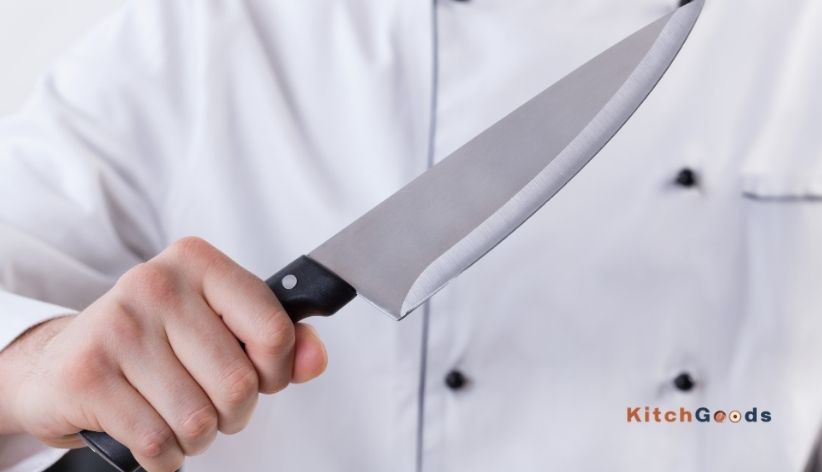
The chef’s knife is the most useful knife in the kitchen. It has a wide, sharp blade that curves upward. This shape helps with chopping, slicing, and dicing. It can cut vegetables, meat, and herbs with ease. A good chef’s knife feels balanced and comfortable in your hand.
Paring Knife
Paring knives are small with a short blade. They are perfect for peeling and trimming fruits and vegetables. This knife is great for small, detailed tasks. It works well for cutting small pieces and making precise cuts.
Serrated Knife
Serrated knives have a blade with teeth like a saw. They are ideal for cutting bread, tomatoes, and other soft foods. The teeth grip the food surface and slice without crushing it. This knife helps keep delicate foods intact.
Utility Knife
Utility knives are medium-sized and versatile. They are larger than paring knives but smaller than chef’s knives. This knife handles a variety of tasks like cutting sandwiches or slicing fruits. It is a handy tool for many kitchen jobs.
Essential Knife Features
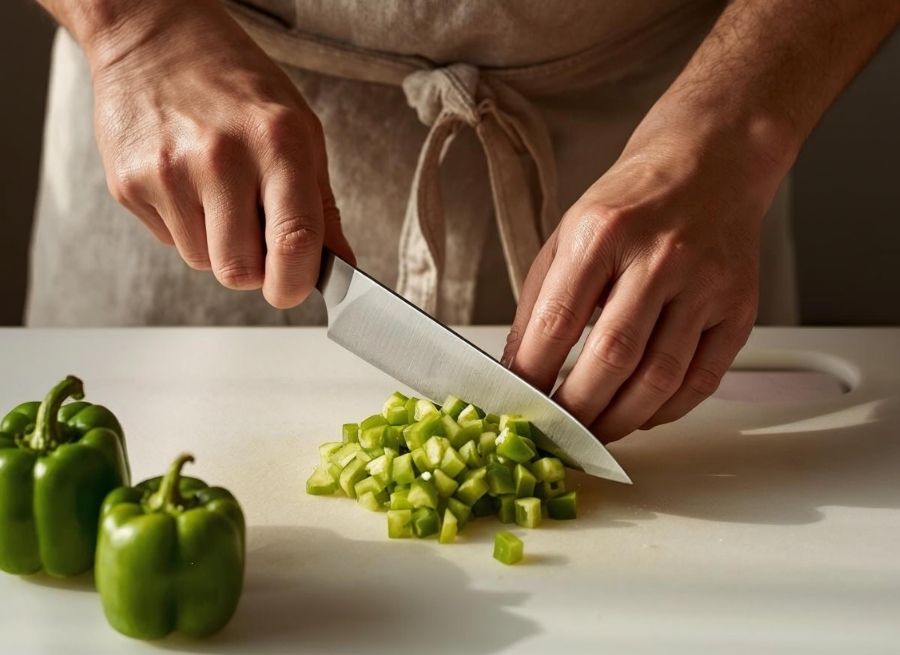
A good kitchen knife makes cooking easier and safer. Beginners should know what features matter most. These features affect how the knife feels and works. Choosing the right knife helps you cut food smoothly and with less effort.
Focus on key parts: the blade material, handle comfort, blade size, and the knife’s weight and balance. Each feature plays a role in your cooking experience.
Blade Material
Blade material affects sharpness and durability. Stainless steel is common and resists rust. Carbon steel stays sharp longer but needs more care. Ceramic blades are very sharp but can chip easily. Choose a blade that fits your cooking style and care routine.
Handle Comfort
The handle must feel good in your hand. Look for handles with a smooth, non-slip grip. Plastic, wood, and rubber are popular materials. A comfortable handle reduces hand fatigue during long use. Try holding the knife before buying to check comfort.
Blade Size
Blade size depends on what you cook most. A 6 to 8-inch blade suits most beginner tasks. Smaller blades work well for detailed cutting. Larger blades handle big vegetables and meats. Pick a size that feels easy to control and fits your kitchen needs.
Weight And Balance
The knife’s weight affects how it moves through food. A balanced knife feels steady and less tiring. Too heavy or too light knives can be hard to control. Hold the knife to check if it feels right in your hand. Balance helps you cut with confidence and safety.
Budgeting For Your Knife
Choosing the right kitchen knife depends a lot on your budget. A good knife should feel comfortable and last long. Setting a budget helps narrow down choices. It makes shopping easier and smarter. Here are some options based on different budgets.
Affordable Options
Affordable knives work well for beginners. They cost less but still cut well. These knives often use stainless steel. They need regular sharpening to stay sharp. Many brands offer sets under $30. These sets include a chef’s knife and other basics. Perfect for those starting to cook at home.
Mid-range Choices
Mid-range knives cost between $30 and $100. They usually have better steel and stronger handles. These knives stay sharp longer. They feel balanced and comfortable in hand. Many come from trusted brands with good reviews. This range is great for cooks who want quality without high costs.
Investing In High-quality Knives
High-quality knives can cost over $100. They use special steel for sharpness and durability. These knives often have ergonomic handles. They require less sharpening and last many years. Chefs and serious cooks prefer these knives. Buying one can improve your cooking experience greatly.
Knife Maintenance Tips
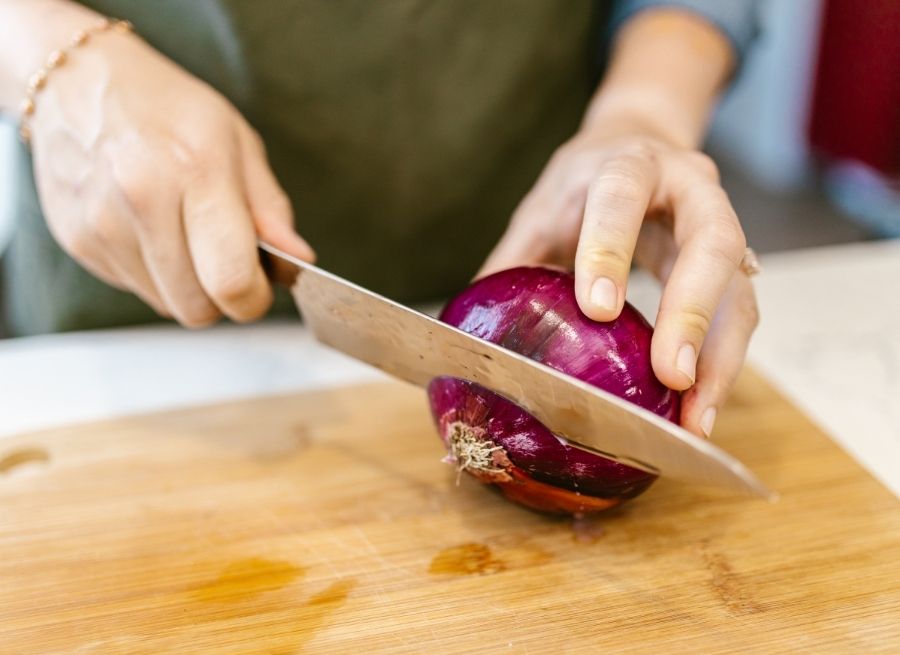
Keeping your kitchen knife in good shape helps it last longer and work better. Simple care steps protect the blade and handle. Good maintenance saves money and improves safety. Follow easy tips to keep your knife sharp, clean, and stored properly.
Sharpening Techniques
Use a sharpening stone or a knife sharpener to keep the blade sharp. Move the knife at a 15 to 20-degree angle across the stone. Sharpen both sides evenly. Do this regularly to avoid dull edges. A sharp knife cuts better and reduces accidents.
Proper Cleaning
Wash your knife by hand with warm water and mild soap. Avoid putting it in the dishwasher. Dry the knife immediately to stop rust. Keep the handle clean and dry too. Proper cleaning stops bacteria and keeps the knife safe to use.
Safe Storage
Store knives in a block, magnetic strip, or knife guard. Do not leave knives loose in a drawer. Proper storage protects the blade from damage. It also keeps your fingers safe. A well-stored knife stays sharp and ready for use.
Where To Buy Kitchen Knives
Choosing the right place to buy kitchen knives is important for beginners. It affects the quality and price you get. Different places offer different benefits. Understanding where to buy helps you find the best knife for your kitchen.
Local Stores
Local stores let you see knives up close. You can hold and feel the knife’s weight. Staff can answer your questions and give advice. Buying in person helps you avoid shipping delays. It also lets you check the knife’s balance and sharpness immediately.
Online Retailers
Online retailers offer a wide range of kitchen knives. You can compare brands, prices, and reviews quickly. Many sites provide detailed descriptions and customer feedback. Shopping online saves time and often offers better deals. Look for stores with good return policies.
Specialty Shops
Specialty shops focus only on kitchen tools and knives. They have experts who know knives well. These shops often carry high-quality brands and unique styles. You get personalized advice tailored to your needs. Specialty shops provide a deeper understanding of knife features.
Testing Knives Before Buying
Testing knives before buying is a key step for beginners. It helps ensure the knife feels right and works well. Trying the knife in person shows how comfortable and effective it is. This process saves money and avoids buying a knife you won’t like.
Checking The Grip
Hold the knife handle firmly. The grip should feel secure without slipping. Check if the handle fits your hand size. A good grip reduces hand fatigue and improves control. Avoid handles that feel too big or too small.
Feeling The Weight
Lift the knife to sense its weight. It should feel balanced, not too heavy or too light. A well-balanced knife moves smoothly while cutting. Heavy knives can tire your hand fast. Light knives offer better speed but less power.
Blade Sharpness
Test the blade by cutting a piece of paper or vegetable. The knife should slice easily without forcing. Sharp blades make cutting safer and faster. Avoid knives that need a lot of pressure to cut. Sharpness is key for good kitchen performance.
Frequently Asked Questions
What Is The Best Knife Type For Beginners?
A chef’s knife is ideal for beginners. It is versatile and easy to handle. It can perform multiple tasks like slicing, dicing, and chopping.
How Do I Choose The Right Knife Size?
Choose a knife between 6 and 8 inches. This size offers control and comfort for most kitchen tasks. It’s neither too heavy nor too small.
Which Blade Material Is Best For Kitchen Knives?
High-carbon stainless steel blades are best. They stay sharp longer, resist rust, and are easy to maintain. This makes them perfect for beginner use.
How Important Is The Knife Handle Material?
Handle material affects grip and comfort. Look for handles made from wood, plastic, or composite materials. Ensure it feels secure and non-slip in your hand.
Conclusion
Choosing the right kitchen knife makes cooking safer and easier. Focus on comfort, sharpness, and balance. A good knife lasts long and feels right in your hand. Take time to try different styles before buying. Keep your knife clean and sharpened for best results.
With the right knife, cooking becomes more enjoyable. Start simple, and upgrade as your skills grow. Remember, a good knife is a helpful kitchen friend.