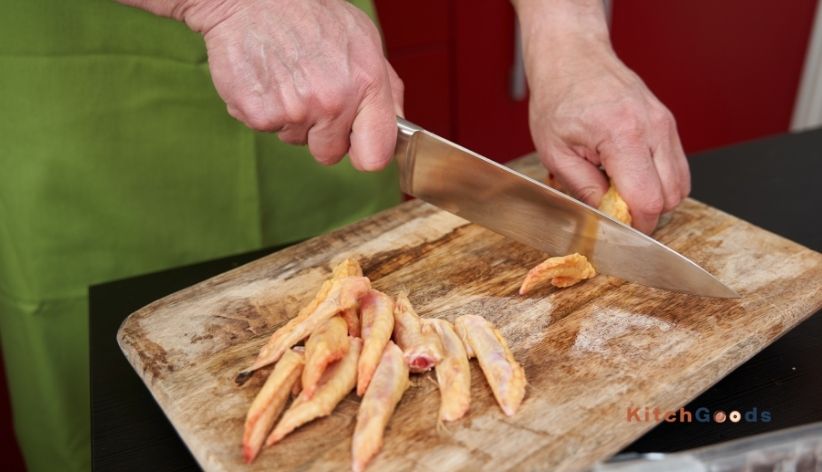
When you’re in the kitchen, a sharp knife is one of your best tools—but it can also be one of the most dangerous. Knowing how to handle your knives safely isn’t just smart; it can save you from painful cuts and accidents.
Whether you’re chopping vegetables or slicing meat, these 7 important knife safety tips will help you protect your fingers and keep your cooking smooth and stress-free. Ready to make your kitchen safer and boost your confidence with every cut? Keep reading—your hands will thank you.
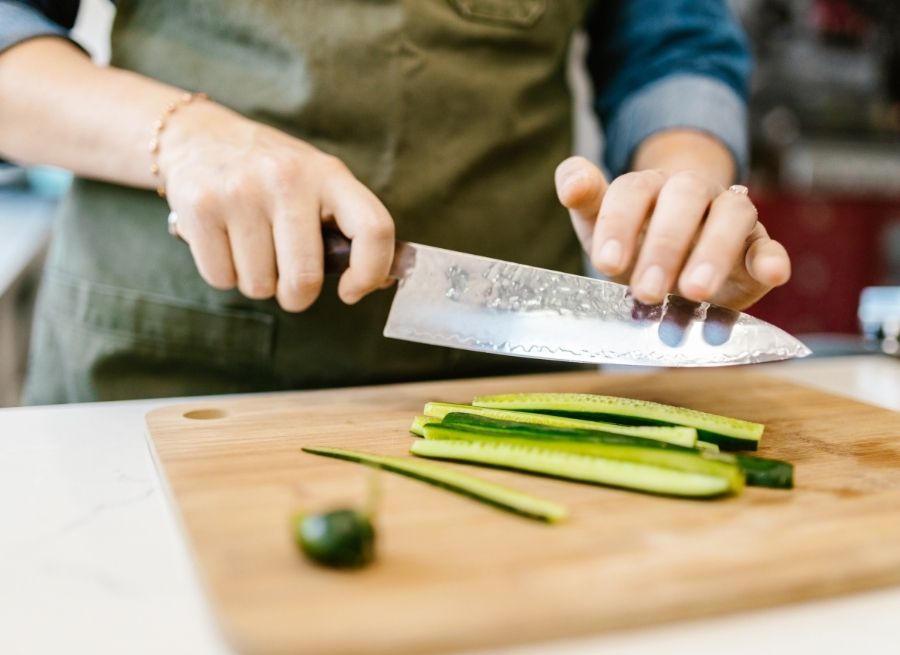
Choosing The Right Knife
Choosing the right knife is key for safe and efficient cooking. A good knife fits your hand well and feels balanced. It makes cutting easier and reduces accidents. Knowing which knife to pick helps you work faster and safer in the kitchen.
Types Of Knives For Home Use
Some knives are made for specific tasks. A chef’s knife is versatile and good for most cutting jobs. Paring knives work well for peeling and small details. Bread knives have a serrated edge to cut through crusts. Using the right knife prevents slips and cuts.
Knife Materials And Quality
Knives come in different materials that affect sharpness and durability. Stainless steel resists rust and stays sharp longer. High-carbon steel is sharper but needs more care. Avoid cheap knives with poor blades; they dull quickly and can be unsafe. A quality knife lasts longer and cuts cleanly.
Proper Knife Handling
Proper knife handling is key to staying safe in the kitchen. It helps you avoid cuts and accidents. Good habits make cutting tasks easier and more precise. Learning the right way to hold and use a knife protects your fingers and hands.
Safe Grip Techniques
Hold the knife firmly but not too tight. Use your dominant hand to grip the handle. Wrap your fingers around the handle for control. Your thumb and index finger should pinch the blade’s base. This grip improves balance and stability. Keep your wrist straight to avoid strain. Use a claw grip with your other hand to hold food. Tuck fingers inward to protect them from the blade.
Avoiding Distractions
Focus on your cutting task. Keep your eyes on the knife and the food. Avoid talking or looking away while cutting. Do not use a phone or watch TV. Distractions can cause slips and injuries. Take your time and work at a steady pace. A calm mind helps you stay safe and precise.
Cutting Techniques
Cutting techniques are key to safe knife use in the kitchen. Proper methods reduce the risk of injury and improve efficiency. Learning how to cut with control keeps fingers safe and food preparation smooth.
Safe Cutting Motions
Use a rocking motion with the knife tip on the board. Keep the tip touching the surface while slicing down and forward. Hold the food with a claw grip, curling fingers inward. This keeps fingertips away from the blade. Cut slowly and steadily to avoid slips. Avoid chopping straight down with force. Controlled, smooth motions offer better safety.
Using A Stable Cutting Surface
Always place your cutting board on a flat surface. Use a damp cloth or non-slip mat under the board. This prevents sliding while cutting. A stable surface gives better control over the knife. Avoid cutting on unstable or uneven surfaces. Stability helps protect your hands and keeps the knife steady.
Knife Maintenance
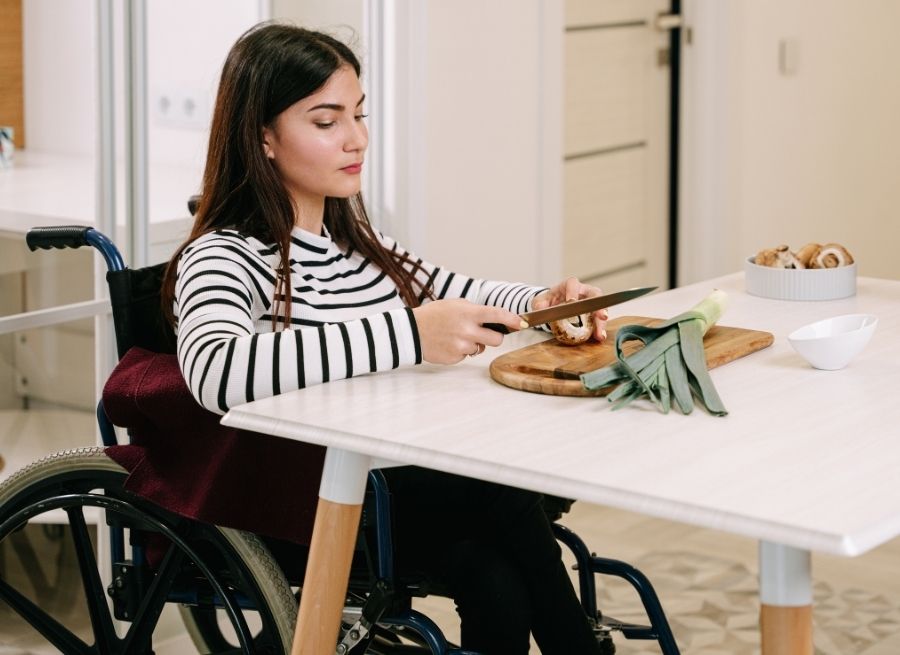
Knife maintenance is key for safe and effective cooking. A well-kept knife cuts easily and reduces accidents. Dull knives require more force, increasing slip risks. Proper care extends a knife’s life and keeps it sharp.
Sharpening And Honing Tips
Sharpen your knife regularly to keep the edge strong. Use a sharpening stone or a knife sharpener. Hold the blade at a 20-degree angle and slide it carefully. Honing aligns the blade’s edge without removing metal. Use a honing rod before or after each use. It keeps the knife sharp and ready.
Cleaning And Storage
Clean knives immediately after use with warm, soapy water. Avoid soaking knives or putting them in the dishwasher. Dry knives thoroughly to prevent rust and damage. Store knives in a block, on a magnetic strip, or in a sheath. Proper storage protects the blade and prevents accidents.
Preventing Accidents
Accidents in the kitchen often happen when using knives. Preventing these accidents keeps cooking safe and enjoyable. Simple habits and careful actions reduce risks.
Keeping Fingers Safe
Keep fingers away from the blade’s path. Curl your fingertips inward while holding the food. This grip helps protect your fingers from cuts. Use a stable cutting board to stop slipping. Always cut slowly and with control.
Avoiding Knife Misuse
Only use knives for their intended tasks. Avoid using knives to open cans or pry objects. Do not use dull knives as they slip easily. Sharpen knives regularly to keep them safe. Store knives properly to prevent accidents in the kitchen.
Handling Knife Injuries
Knife injuries can happen even in the safest kitchens. Knowing how to handle these injuries is very important. Quick and proper care can stop problems from getting worse. This guide explains what to do if you cut yourself or someone else while cooking.
Stay calm and act fast. Proper steps can reduce pain and prevent infections. Below are key tips for treating cuts and knowing when to get medical help.
First Aid For Cuts
Stop the bleeding by pressing a clean cloth on the cut. Keep pressure for several minutes without lifting the cloth. Clean the wound gently with water to remove dirt and germs. Avoid using soap inside the cut. Pat the area dry with a clean towel.
Apply an antibiotic ointment to keep the wound moist and help healing. Cover the cut with a sterile bandage or gauze. Change the bandage daily or if it gets wet or dirty. Watch for signs of infection like redness, swelling, or pus.
When To Seek Medical Help
Seek medical help if the cut is deep or won’t stop bleeding. Also, get help if you can see fat, muscle, or bone in the wound. If the knife was dirty or rusty, a doctor should check for infection risk.
See a doctor if the cut is caused by a bite or a very dirty object. If you have not had a tetanus shot in the last five years, get one. Medical care is needed for large cuts or wounds that open when moved.
Teaching Kids Knife Safety
Teaching kids knife safety helps them learn cooking skills safely. It builds their confidence in the kitchen. Kids also understand the dangers and how to avoid accidents. Starting early with the right habits keeps them safe for life.
Age-appropriate Skills
Young children can start with soft foods like bananas or cucumbers. Use plastic or kid-safe knives to practice cutting. Teach them to hold the knife and food properly. Older kids can learn to use sharper knives carefully. Show them how to cut away from their fingers. Teach simple techniques like slicing and chopping small pieces. Always match the task to their skill level.
Supervision And Guidance
Always watch kids closely while they use knives. Stay nearby to help if needed. Give clear instructions step by step. Praise their efforts to build good habits. Stop them immediately if they do anything unsafe. Use a calm voice to explain mistakes. Supervision makes the kitchen a safe learning place.
Frequently Asked Questions
How Can I Prevent Knife Injuries At Home?
Always use a sharp knife and cut away from your body. Keep fingers clear and use a stable cutting surface to avoid slips.
Why Is Knife Maintenance Important For Safety?
A well-maintained knife is easier to control. Regular sharpening and cleaning reduce the risk of accidents and improve cutting precision.
What Is The Safest Way To Hold A Kitchen Knife?
Grip the handle firmly with your dominant hand. Rest your thumb and forefinger on the blade’s base for better control.
How Should Knives Be Stored To Avoid Accidents?
Store knives in a block, magnetic strip, or sheath. Avoid loose placement to prevent accidental cuts and blade damage.
Conclusion
Safe knife use helps prevent accidents in your kitchen. Always keep knives sharp and handle them carefully. Store knives properly to avoid injuries. Cut on stable surfaces and pay close attention while chopping. Teach family members safe knife habits too.
These simple steps make cooking safer and more enjoyable. Stay alert, stay safe, and cook with confidence every day.