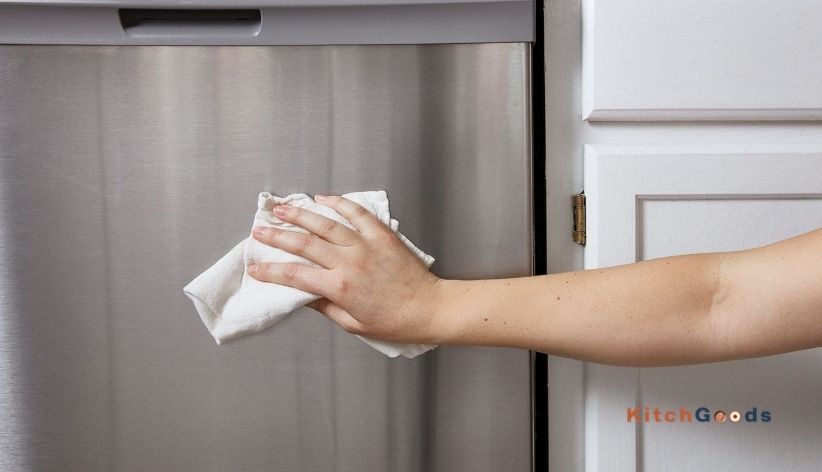
Are you tired of stubborn stains and grime on your kitchen appliances? You might have heard that vinegar can be a powerful cleaning tool, but does it really work for your appliances?
Using vinegar to clean can save you money and keep your kitchen fresh, but only if you know the right way to do it. You’ll discover how vinegar can help, what appliances it’s safe for, and important tips to avoid damage.
Keep reading to find out how to make your kitchen sparkle with a simple, natural ingredient you probably already have at home.
Why Vinegar Works As A Cleaner
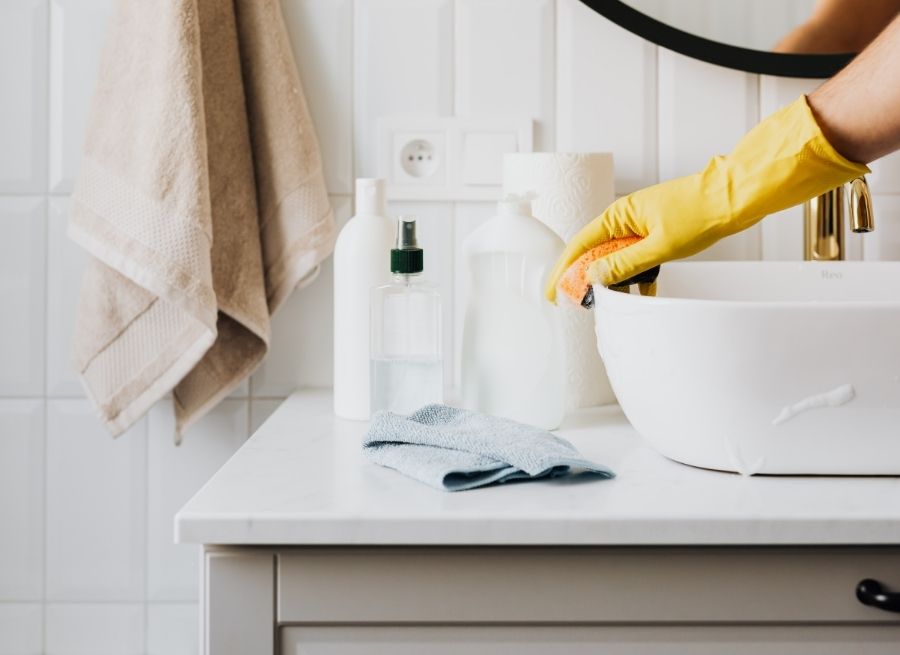
Vinegar is a popular choice for cleaning kitchen appliances. Its natural ingredients make it safe and effective. Vinegar works by breaking down dirt, grease, and grime with ease. It also helps to kill germs and bacteria. Understanding why vinegar cleans so well helps you use it better in your kitchen.
Acidic Properties And Their Effects
Vinegar contains acetic acid, a mild acid that dissolves mineral deposits and stains. This acid cuts through grease and grime on kitchen surfaces. It softens hard water spots on appliances like kettles and coffee makers. The acidity also helps remove rust and build-up. This makes vinegar a great cleaner for many kitchen tools.
Natural Antibacterial Qualities
Vinegar kills some types of bacteria and germs naturally. It lowers the pH level on surfaces, creating a harsh environment for bacteria. This stops bacteria from growing and spreading. Vinegar can reduce odors caused by bacteria as well. It is a safe way to keep your appliances clean and fresh.
Vinegar For Different Appliances
Vinegar is a natural cleaner that works well on many kitchen appliances. It fights grease, removes odors, and kills bacteria. Using vinegar is safe and cost-effective for home cleaning. Each appliance needs a different vinegar method for best results.
Cleaning The Refrigerator
Mix equal parts vinegar and water in a spray bottle. Spray inside shelves and walls. Wipe with a soft cloth or sponge. Vinegar removes stains and bad smells. Avoid spraying directly on electronic parts. Let the fridge air out after cleaning.
Using Vinegar On The Microwave
Fill a microwave-safe bowl with half water and half vinegar. Heat it for five minutes until it steams. The steam loosens food stains inside. Carefully wipe the walls and door with a cloth. This method cleans without harsh scrubbing.
Vinegar For The Oven
Spray vinegar on oven stains and let it sit for 10 minutes. Use a damp cloth or sponge to scrub gently. For tough spots, mix baking soda with vinegar for a paste. Spread the paste on stains, wait, then scrub. Vinegar cuts grease and burns cleanly.
Cleaning Coffee Makers With Vinegar
Fill the water reservoir with equal parts water and vinegar. Run a brewing cycle without coffee grounds. After it finishes, run two cycles with clean water. This removes mineral buildup and cleans the machine. Use vinegar regularly for fresh-tasting coffee.
Using Vinegar On Dishwashers
Place a cup of vinegar in a dishwasher-safe container on the top rack. Run a hot water cycle without dishes. Vinegar dissolves soap scum and mineral deposits. Wipe the door and edges with a vinegar cloth. This keeps your dishwasher fresh and clean.
How To Use Vinegar Safely
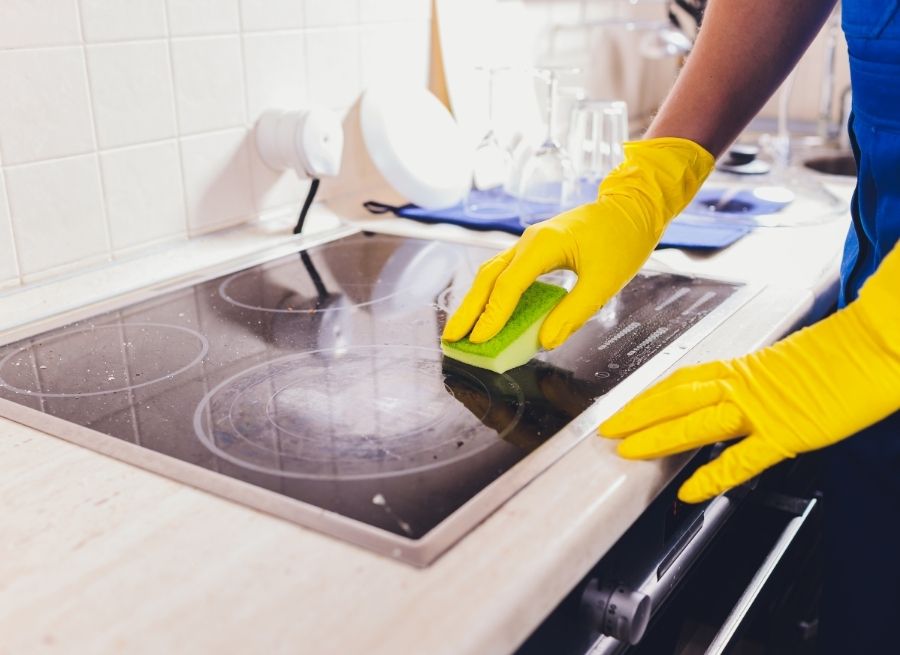
Using vinegar to clean kitchen appliances is popular for its natural and effective properties. Safety matters to keep appliances looking good and working well. Follow clear steps to avoid problems and get the best results.
Dilution Tips
Vinegar is strong. Always dilute it with water before use. A common mix is one part vinegar to one part water. This mix cleans well without hurting surfaces. For delicate appliances, use more water to reduce strength. Test the diluted vinegar on a small, hidden area first. This check helps avoid damage.
Avoiding Damage To Surfaces
Vinegar is acidic and can harm some materials. Avoid using it on natural stone like granite or marble. It can dull or etch these surfaces. Do not apply vinegar on aluminum or cast iron; it may cause corrosion. Use soft cloths or sponges to apply vinegar. Harsh scrubbing can scratch appliances. Always read appliance care labels before cleaning.
Proper Rinsing Techniques
Rinse surfaces with clean water after vinegar cleaning. This step removes vinegar residue that can attract dirt. Use a damp cloth or sponge for rinsing. Dry the area with a soft towel to prevent water spots. Proper rinsing helps keep appliances shiny and fresh. Do not leave vinegar on surfaces for too long. It can cause damage over time.
Limitations Of Vinegar Cleaning
Vinegar is a popular natural cleaner for many kitchen tasks. It works well on some appliances but has clear limits. Knowing these limits helps avoid damage and keeps appliances working longer.
Vinegar’s acidity can harm certain materials. It might corrode metals or ruin finishes. Using it without care can cause stains or weaken parts. Some appliances need gentler or different cleaners to stay safe and clean.
Appliances To Avoid Using Vinegar On
Avoid vinegar on appliances with aluminum parts. The acid can cause pitting and discoloration. Also, do not use vinegar on stone surfaces like granite or marble. It can dull and etch the finish.
Vinegar can damage rubber seals and gaskets inside appliances. This can lead to leaks or broken parts. Avoid using vinegar on coffee makers with metal components. It may corrode the metal and affect taste.
When To Choose Alternative Cleaners
Use mild soap and water for delicate surfaces. For stainless steel, choose cleaners made for that material. Baking soda works well to remove stubborn stains without harsh acids.
Use commercial descalers for limescale build-up in kettles or coffee machines. These products are designed to clean without damage. Always check the appliance manual for recommended cleaners to avoid problems.
Benefits Of Using Vinegar
Vinegar offers many benefits for cleaning kitchen appliances. It works well to remove dirt, grime, and odors. Using vinegar is a practical choice for many households. It helps keep appliances fresh and shiny without harsh chemicals.
Vinegar is a simple solution that supports a cleaner home and environment. It fits well with everyday cleaning tasks and promotes a healthier living space.
Eco-friendly Cleaning
Vinegar is natural and breaks down quickly in the environment. It does not leave harmful residues or toxic waste behind. Using vinegar reduces plastic waste from cleaning products. It helps lower the amount of chemicals released into water systems. Vinegar is a great option for those who care about the planet.
Cost-effectiveness
Vinegar is very affordable compared to many cleaning products. A small bottle lasts a long time and cleans many appliances. It replaces multiple cleaners, saving money and storage space. Vinegar’s low cost makes it accessible for all budgets. It keeps your kitchen clean without spending a lot.
Non-toxic And Safe For Families
Vinegar is safe to use around children and pets. It does not contain harsh chemicals that can harm health. Using vinegar reduces exposure to allergens and irritants. It cleans effectively without causing breathing problems or skin reactions. Vinegar supports a safer home environment for all family members.
Frequently Asked Questions
Can Vinegar Effectively Clean Kitchen Appliances?
Yes, vinegar is a natural, effective cleaner for many kitchen appliances. It removes grease, grime, and mineral buildup safely without harsh chemicals.
Is Vinegar Safe For All Kitchen Appliance Surfaces?
Vinegar is safe for most surfaces like stainless steel and glass. Avoid using it on stone, hardwood, or waxed finishes to prevent damage.
How Do I Use Vinegar To Clean My Coffee Maker?
Fill the water reservoir with equal parts vinegar and water. Run a brew cycle, then rinse with fresh water to remove any vinegar taste.
Can Vinegar Remove Limescale From Kitchen Appliances?
Yes, vinegar dissolves limescale buildup in kettles, coffee makers, and dishwashers. Regular use helps maintain appliance efficiency and prolongs their lifespan.
Conclusion
Vinegar works well for cleaning many kitchen appliances. It removes stains, grease, and odors easily. Always dilute vinegar with water to protect surfaces. Avoid using vinegar on appliances with special coatings. Test a small area first to be safe. Vinegar is a natural, affordable cleaning option.
It helps keep your kitchen fresh and tidy. Give it a try for simple appliance care. Clean smarter, not harder.