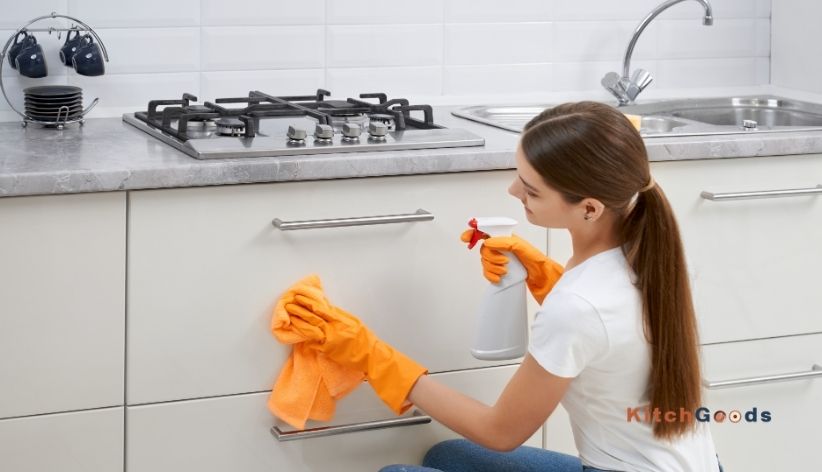
Your kitchen is the heart of your home, but it can also be a hotspot for germs and bacteria. Keeping it clean isn’t just about looking good—it’s about protecting your health and your family’s well-being.
Imagine cutting down on foodborne illnesses and making meal prep safer and more enjoyable. Sounds great, right? You’ll discover 8 important kitchen cleaning habits that are easy to follow and will make a real difference in your home’s health. Keep reading to learn how small changes can lead to big benefits for you and your loved ones.

Daily Surface Wiping
Daily surface wiping keeps your kitchen clean and safe. It stops germs and dirt from building up. Regular wiping makes your kitchen look fresh and tidy every day. This simple habit helps protect your family’s health.
Choosing The Right Cleaners
Select cleaners that kill germs but are safe for kitchen use. Use mild disinfectants or natural solutions like vinegar and water. Avoid harsh chemicals that can harm surfaces or leave strong smells. Always read labels to check if cleaners work against bacteria and viruses. Use a spray or wipe that suits your kitchen surfaces.
Focus Areas To Wipe
Wipe spots that touch food or hands often. Clean countertops, stove tops, and sink areas every day. Don’t forget handles, light switches, and fridge doors. These areas collect germs quickly. Wiping these surfaces reduces the risk of spreading illness. Use a clean cloth or disposable wipe for each area.
Regular Dishwashing Routine
A regular dishwashing routine keeps your kitchen clean and healthy. Dirty dishes attract germs and pests. Cleaning dishes soon after use stops bacteria from growing. This habit protects your family from foodborne illnesses. It also helps maintain a fresh kitchen environment. Consistent dishwashing makes the kitchen look neat and welcoming. It also makes cooking and meal times more enjoyable.
Effective Dishwashing Techniques
Start by scraping leftover food from plates and utensils. Use warm water and soap for washing. Warm water breaks down grease and food particles easily. Scrub dishes thoroughly with a sponge or brush. Pay attention to corners and edges. Rinse dishes with clean water to remove soap. Dry dishes with a clean towel or air dry them. Avoid using dirty sponges as they spread germs. Replace sponges regularly to keep them fresh.
Avoiding Bacterial Growth
Wash dishes immediately after meals to prevent bacteria buildup. Do not leave dirty dishes in the sink overnight. Use hot water to kill most germs effectively. Keep your dishcloth and sponge clean and dry. Sanitize your sponge by microwaving it for one minute. Avoid using the same sponge for dishes and counters. Store clean dishes in a dry place to prevent moisture. Moist environments encourage bacterial growth on dishes and utensils.
Proper Food Storage
Proper food storage keeps your kitchen clean and your family healthy. It stops food from spoiling fast. It also prevents harmful bacteria from growing. Good storage methods reduce waste and save money. Simple habits can make a big difference every day.
Organizing The Refrigerator
Keep raw meat on the bottom shelf. This stops juices from dripping on other foods. Store fruits and vegetables in their drawers. Place leftovers in clear containers at eye level. This helps you see what needs to be eaten first. Avoid overcrowding. Air must flow to keep food fresh longer.
Using Airtight Containers
Airtight containers block moisture and air from spoiling food. Use them for dry goods like flour, sugar, and cereals. They keep pests away and maintain freshness. For leftovers, choose containers with tight lids. Label containers with dates to track freshness. This habit reduces food waste and improves safety.
Trash Management
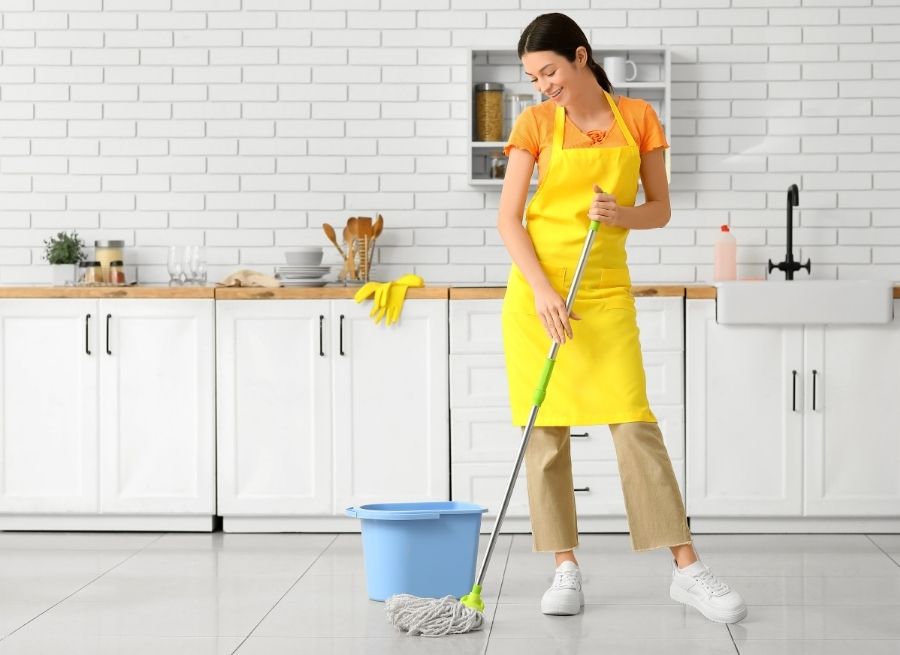
Trash management is a key part of keeping your kitchen clean and healthy. Garbage can hold germs and cause bad smells. Proper trash habits help stop pests and keep your kitchen fresh. They also reduce the chance of food contamination. Clean trash areas improve the overall hygiene of your home.
Simple steps in trash management make a big difference. Two important habits are frequent trash disposal and using sealed trash bins.
Frequent Trash Disposal
Take out the trash often to avoid buildup. Full trash bags can spill or leak, spreading bacteria. Empty bins regularly, especially after cooking or meal times. This prevents foul odors and keeps pests away. Frequent disposal also stops mold and germs from growing. Make trash removal a daily or every-other-day task.
Using Sealed Trash Bins
Choose bins with tight lids to keep smells contained. Sealed bins stop insects and rodents from entering. They also reduce airborne bacteria and keep the kitchen air cleaner. Use bins made from easy-to-clean materials like plastic or metal. Wipe bins regularly to remove residue and keep them sanitary. A well-sealed bin is a smart choice for a healthier kitchen.
Cleaning Kitchen Appliances
Kitchen appliances need regular cleaning to keep them safe and working well. Dirt and food particles can build up, causing bad smells and bacteria growth. Clean appliances help prevent germs and make cooking healthier and more enjoyable.
Microwave And Oven Care
Wipe the microwave inside after each use to remove food splashes. Use a damp cloth with mild soap to clean the walls and ceiling. For tough stains, heat a bowl of water with lemon juice for five minutes, then wipe clean. Avoid harsh chemicals that can damage the microwave’s surface.
Clean the oven regularly to stop grease buildup. Remove racks and soak them in warm, soapy water. Use a soft sponge or cloth to clean the oven walls. Self-cleaning ovens should be used as directed in the manual. Always ensure the oven is cool before cleaning.
Maintaining The Refrigerator
Check the fridge weekly for expired or spoiled food. Wipe shelves and drawers with a solution of water and baking soda. Remove drawers to clean thoroughly and dry before replacing. Clean the fridge door seals to prevent mold and keep the cold air in.
Defrost the freezer when ice builds up over a quarter inch thick. Keep the fridge temperature between 35 and 38 degrees Fahrenheit for food safety. Regular cleaning helps the refrigerator run efficiently and reduces bad odors.
Sanitizing Cutting Boards
Sanitizing cutting boards is key to a clean kitchen. These boards often hold germs from raw meat, vegetables, and fruits. Germs can spread easily if boards are not cleaned well. Keeping cutting boards sanitized helps stop the spread of bacteria and keeps food safe.
Preventing Cross-contamination
Cross-contamination happens when germs move from one food to another. Use separate cutting boards for meat and vegetables. This simple habit stops germs from spreading. Clean boards right after use to avoid germs mixing. Dry boards fully before storing to prevent bacteria growth.
Best Cleaning Practices
Wash cutting boards with hot, soapy water after each use. Scrub all surfaces, including edges and grooves. Rinse well to remove soap and dirt. Use a solution of one tablespoon bleach per gallon of water to sanitize boards. Let the solution sit on the board for a few minutes. Rinse again with clean water and air dry. Replace cutting boards if deep cuts or cracks appear, as germs hide there.
Floor And Sink Cleaning
Cleaning the kitchen floor and sink is essential for a healthy home. These areas gather dirt, food crumbs, and germs. Regular cleaning stops bacteria from spreading. It also keeps your kitchen looking fresh and inviting. Simple habits make a big difference in hygiene and safety.
Sweeping And Mopping Tips
Sweep the kitchen floor every day to remove crumbs and dust. Use a broom with soft bristles to catch small particles. Mop the floor at least twice a week to clean stains and sticky spots. Use warm water mixed with a mild cleaner to avoid damage. Change the mop water often to prevent spreading dirt. Dry the floor after mopping to avoid slips and mold growth.
Keeping The Sink Germ-free
Clean the sink daily to remove food scraps and bacteria. Use a sponge or cloth with soap to scrub all surfaces. Pay attention to the drain and faucet area where germs hide. Rinse well with hot water to wash away soap and dirt. Sanitize the sink once a week using a mixture of water and vinegar or bleach. This kills harmful germs and keeps your sink smelling fresh.
Regular Hand Hygiene
Regular hand hygiene is key to keeping your kitchen safe and clean. Clean hands stop germs from spreading onto food, utensils, and surfaces. This habit reduces the risk of foodborne illnesses and keeps your family healthier.
Practicing good hand hygiene is simple and quick. It helps maintain a clean kitchen environment and protects everyone in your home.
Handwashing Before Cooking
Wash your hands with soap and warm water before cooking. Scrub all parts of your hands for at least 20 seconds. Rinse well and dry with a clean towel. This removes dirt, bacteria, and viruses that can cause illness.
Always wash hands after handling raw meat, eggs, or seafood. Also, clean your hands after touching garbage or pets. Good handwashing stops cross-contamination and food poisoning.
Using Hand Sanitizers
Use hand sanitizer when soap and water are not available. Choose a sanitizer with at least 60% alcohol. Apply enough to cover all hand surfaces. Rub your hands together until dry.
Hand sanitizers are a quick way to kill germs on your hands. They work well between cooking tasks or after handling food packaging. Keep a bottle near your kitchen sink or prep area for easy use.
Frequently Asked Questions
How Often Should I Clean My Kitchen Countertops?
You should clean kitchen countertops daily to prevent bacteria buildup. Use a disinfectant or mild soap and water. Wipe thoroughly and dry to keep surfaces hygienic and safe for food preparation.
What’s The Best Way To Clean Kitchen Sinks?
Clean kitchen sinks daily with warm soapy water. Use a disinfectant weekly to kill germs. Avoid abrasive cleaners that can scratch the surface. Rinse and dry after each use to prevent stains and odors.
How Can I Keep My Kitchen Floor Germ-free?
Sweep or vacuum kitchen floors daily to remove debris. Mop with a disinfectant cleaner at least once a week. Pay special attention to corners and under appliances to maintain a healthy kitchen environment.
Why Is Regular Fridge Cleaning Important?
Regular fridge cleaning prevents mold, bacteria, and unpleasant odors. Remove expired food weekly and wipe shelves with warm, soapy water. Keeping your fridge clean ensures food safety and extends its lifespan.
Conclusion
Keeping your kitchen clean helps protect your family’s health. Small daily habits make a big difference. Wiping surfaces, washing hands, and cleaning utensils prevent germs. Regularly emptying trash stops bad smells and bugs. Don’t forget to clean your fridge and stove often.
A tidy kitchen feels safe and welcoming. Stick to these easy steps for a healthier home. Good habits today bring a cleaner, safer kitchen tomorrow. Start simple. Stay consistent. Enjoy a fresh, healthy space every day.