Last Updated on October 4, 2026
A clean kitchen is about more than appearances. It helps create a healthier cooking environment, makes meal prep more enjoyable, and prevents grease, crumbs, spills, and bacteria from building up over time. But keeping a kitchen clean is much easier when you have the right tools on hand.
Many people rely on basic dish soap and a single sponge for nearly every cleaning task. While that may work for quick wipe-downs, it is not always enough for deep cleaning countertops, scrubbing sinks, cleaning appliances, or reaching tight corners. The right kitchen cleaning tools can save time, reduce effort, and help you clean more effectively.
If you want a kitchen that stays fresh, organized, and easier to maintain, these are the top 6 kitchen cleaning tools every home should have.
Why the Right Kitchen Cleaning Tools Matter
Kitchen messes come in many forms. There are greasy stovetops, sticky counters, food splatters, dusty shelves, dirty dishes, and hard-to-reach crumbs hiding in corners and drawers. Using the wrong tool can make cleaning slower, less effective, and more frustrating.
The right tools help you match the cleaning method to the mess. Some tools are best for scrubbing, others for wiping, dusting, or reaching narrow spaces. A small set of reliable essentials can make daily cleanup faster and help prevent bigger messes from building up.
1. Microfiber Cleaning Cloths
Why They Are Essential
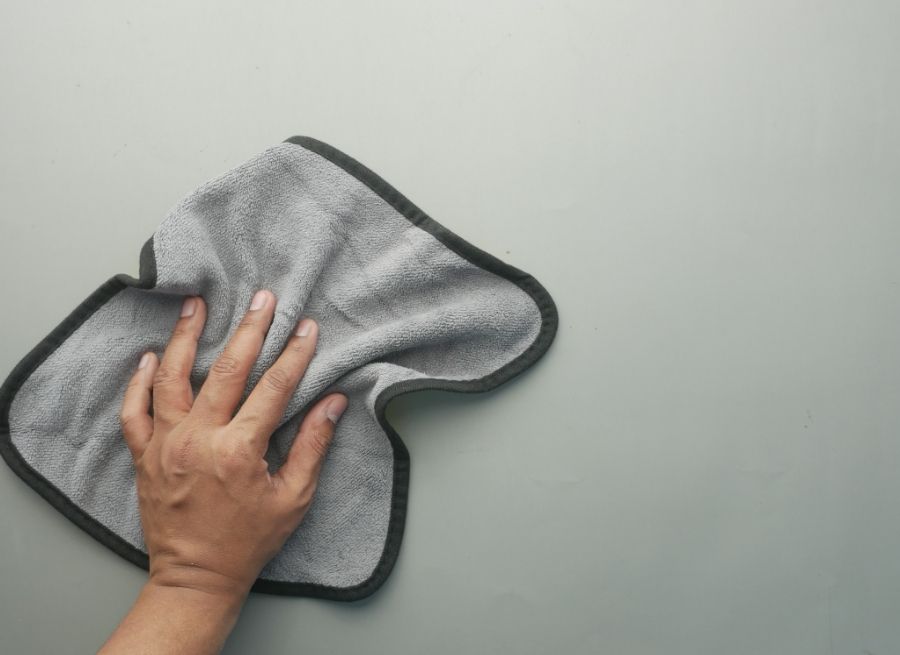
Microfiber cloths are one of the most useful and versatile cleaning tools in any kitchen. They are soft, absorbent, reusable, and excellent for trapping dust, grease, and moisture without leaving lint behind.
Unlike paper towels, microfiber cloths can be washed and reused many times, making them both practical and cost-effective. They are ideal for everyday cleaning and can be used on a variety of kitchen surfaces.
Best Uses
- Wiping countertops and tables
- Cleaning cabinet doors and handles
- Drying sinks and faucets
- Polishing stainless steel appliances
- Cleaning spills quickly
What to Look For
Choose microfiber cloths that are thick, durable, and machine washable. It is helpful to keep several on hand so you can assign different cloths for counters, appliances, and general messes.
For most homes, microfiber cloths are the everyday foundation of a smart kitchen cleaning routine.
2. Non-Scratch Scrub Sponge
Why It Is Essential
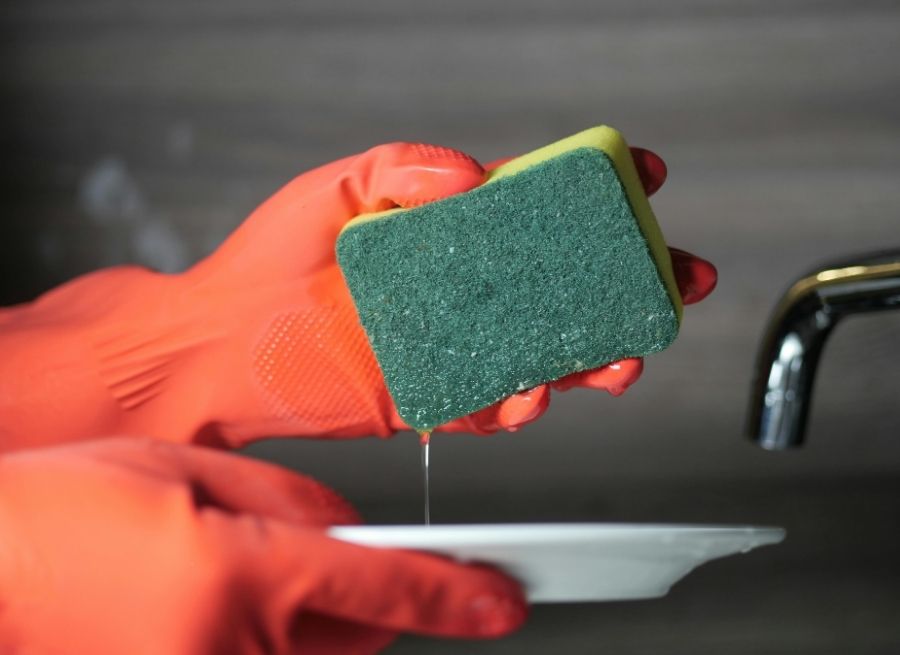
A non-scratch scrub sponge gives you the scrubbing power needed for stuck-on food and greasy surfaces without damaging cookware or delicate finishes. It is one of the most practical tools for both dishwashing and kitchen surface cleaning.
Not every mess wipes away easily, and that is where a quality sponge becomes important. A non-scratch version lets you clean thoroughly while reducing the risk of scratching pans, sinks, or countertops.
Best Uses
- Washing dishes, pots, and pans
- Scrubbing stovetops and backsplashes
- Cleaning dried food from plates and bowls
- Wiping kitchen sinks
- Removing sticky residue from surfaces
What to Look For
Look for a sponge that combines a soft absorbent side with a gentle scrubbing surface. Replace it regularly to keep your kitchen more hygienic and to avoid spreading odors or bacteria.
This is one of those small tools that gets used almost every day, so quality matters.
3. Dish Brush or Bottle Brush
Why It Is Essential
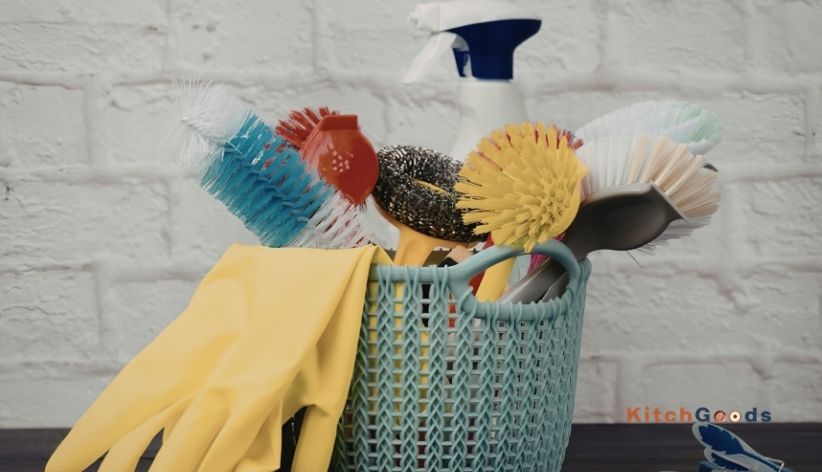
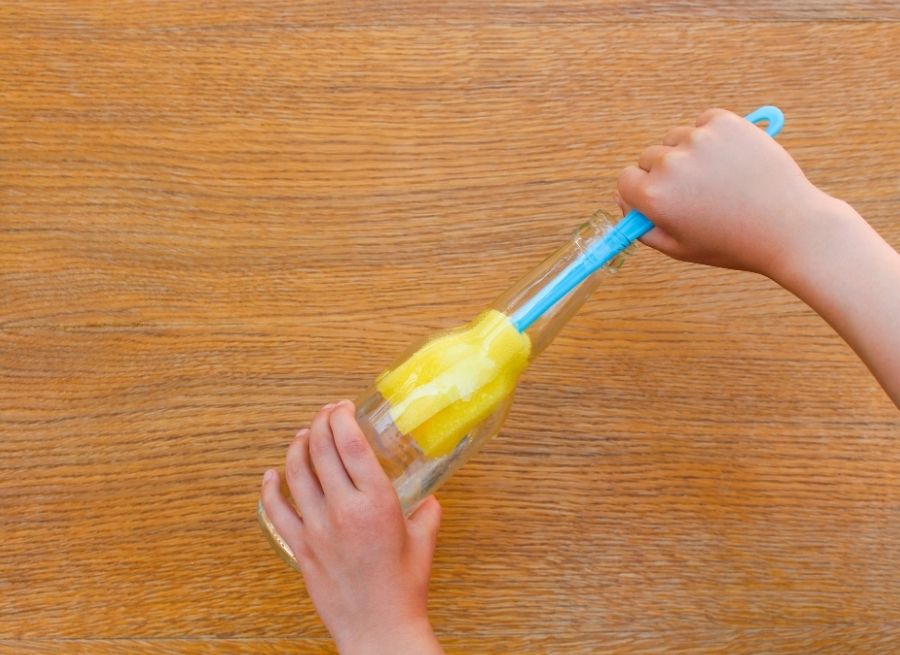
A dish brush is one of the best tools for scrubbing items that are awkward to clean with a sponge. It gives you extra reach and better leverage, especially when dealing with bottles, jars, deep cups, or greasy cookware.
It also helps keep your hands farther from hot water and food residue, which many people find more comfortable during cleanup.
Best Uses
- Cleaning reusable water bottles and travel mugs
- Scrubbing blender jars and food storage containers
- Washing tall glasses and pitchers
- Cleaning around sink edges and drain areas
- Removing residue from pans and baking dishes
What to Look For
Choose a brush with sturdy bristles, a comfortable grip, and a shape that fits the items you clean most often. A bottle brush with a narrow head is especially helpful for deep containers and water bottles.
In many kitchens, having both a regular dish brush and a bottle brush is even better.
4. Spray Bottle for All-Purpose Cleaner
Why It Is Essential
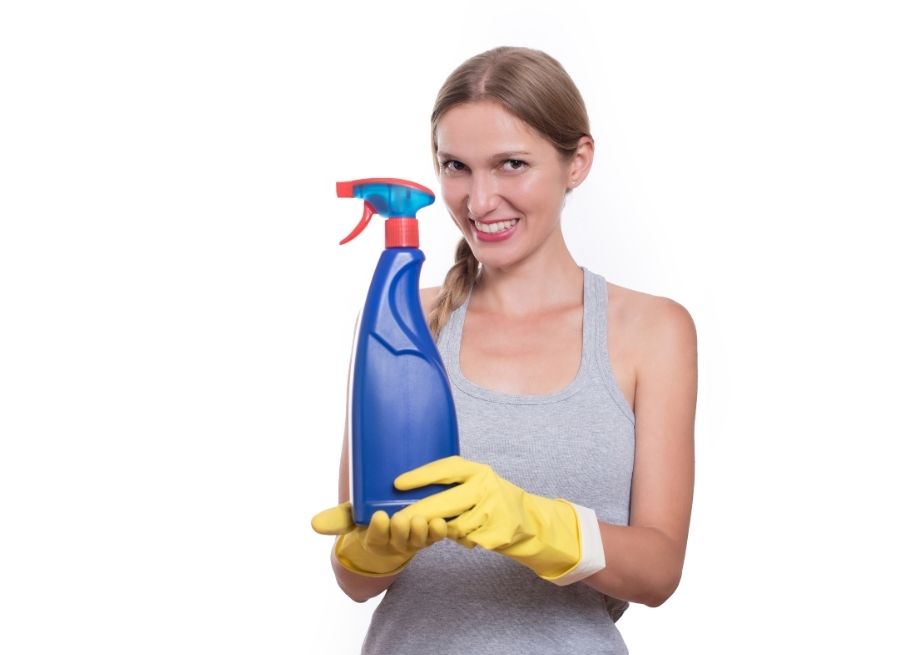
A spray bottle may seem simple, but it is one of the most useful kitchen cleaning tools you can own. It allows you to quickly apply all-purpose cleaner exactly where you need it, making daily wipe-downs faster and more efficient.
Keeping a filled spray bottle within reach encourages quick cleanup after cooking, which helps prevent grime from building up over time.
Best Uses
- Cleaning countertops and tables
- Wiping cabinet fronts and appliance exteriors
- Removing grease splatters near the stove
- Spot-cleaning spills
- Refreshing frequently touched surfaces like handles and knobs
What to Look For
Choose a durable bottle with a reliable spray nozzle that produces an even mist or stream. Clear labeling is also important so you always know what cleaning solution is inside.
Whether you use a store-bought cleaner or a homemade solution, a good spray bottle makes kitchen maintenance much easier.
5. Rubber Gloves
Why They Are Essential
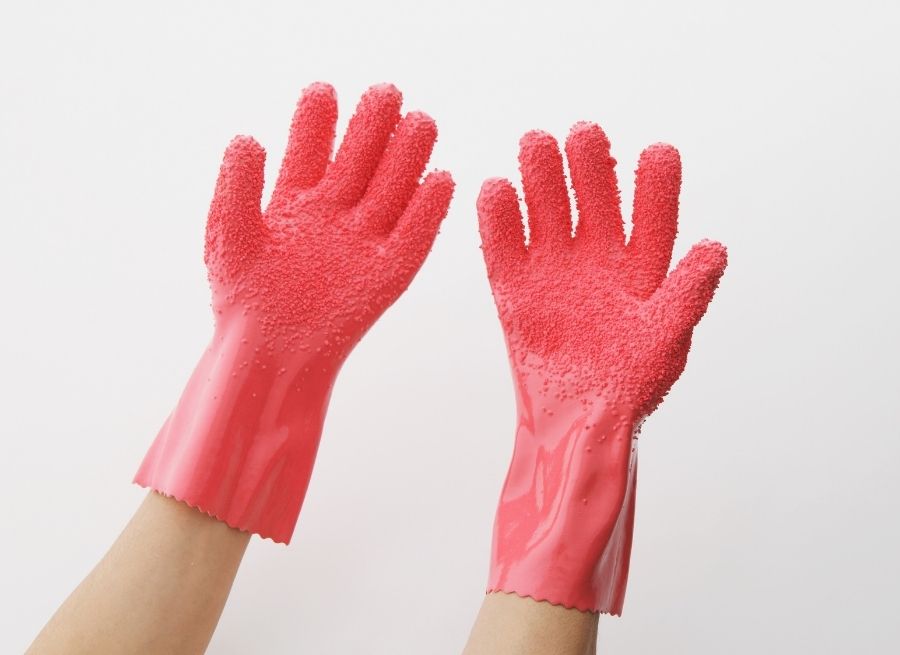
Rubber gloves are often overlooked, but they make kitchen cleaning more comfortable and more practical. They protect your hands from hot water, grease, harsh cleaners, and repeated exposure to soap, which can dry out skin over time.
They are especially useful for larger cleaning jobs, handling messy dishes, or scrubbing areas that feel unpleasant to touch directly.
Best Uses
- Washing large sinkfuls of dishes
- Cleaning greasy stovetops and oven doors
- Handling strong cleaning products
- Scrubbing trash cans or recycling bins
- Deep cleaning sinks and drains
What to Look For
Look for gloves that fit well, have a textured grip, and feel durable without being too stiff. A comfortable pair of gloves can make deep cleaning much less unpleasant and help you work longer without irritation.
If you clean often, this simple tool can make a bigger difference than you might expect.
6. Handheld Vacuum or Small Crumb Sweeper
Why It Is Essential
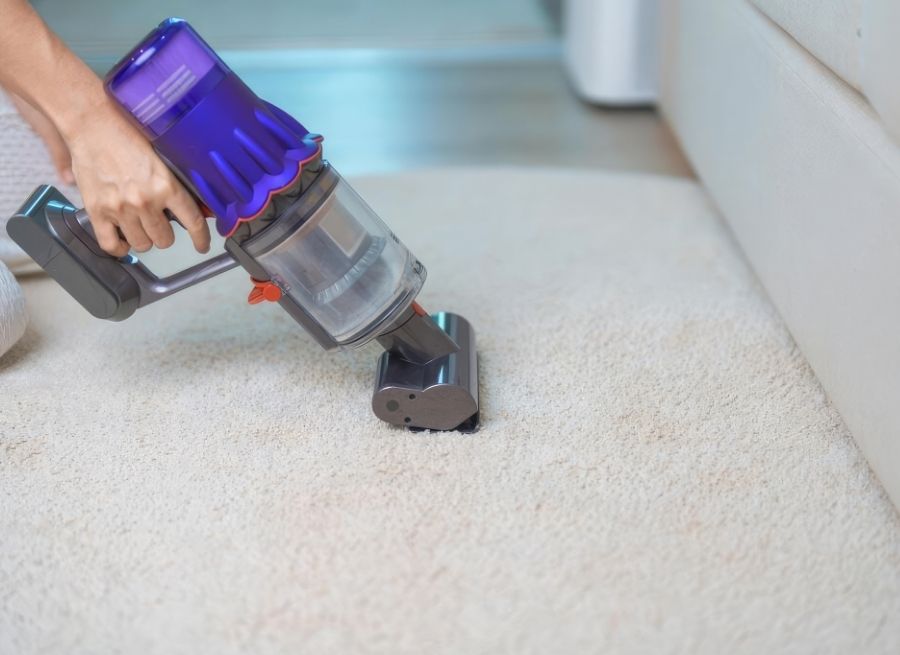
Kitchens collect crumbs in places that cloths and sponges do not handle well. Under the toaster, around drawers, near baseboards, and inside corners, food particles build up quickly. A handheld vacuum or small crumb sweeper makes it easy to remove dry messes without spreading them around.
This is especially helpful in busy households where crumbs appear constantly on counters, dining surfaces, and floors.
Best Uses
- Cleaning crumbs from counters and tables
- Picking up dry spills from pantry shelves
- Cleaning around appliances
- Removing debris from drawer corners
- Quick floor touch-ups in high-traffic areas
What to Look For
If you choose a handheld vacuum, look for one that is lightweight, easy to empty, and simple to store nearby. If you prefer a manual crumb sweeper, choose one that is compact and easy to use on flat surfaces.
This tool is especially valuable if you want to keep your kitchen tidy between deeper cleaning sessions.
How These Tools Work Together
Each of these kitchen cleaning tools serves a different purpose, and together they create a more complete cleaning system.
- Microfiber cloths handle wiping and polishing
- Scrub sponges tackle stuck-on messes
- Dish and bottle brushes clean hard-to-reach items
- Spray bottles speed up surface cleaning
- Rubber gloves improve comfort and protection
- Handheld vacuums or crumb sweepers manage dry debris quickly
With just these six essentials, most homes can handle everyday kitchen cleaning tasks more efficiently without needing a cabinet full of specialty gadgets.
Tips for Keeping Kitchen Cleaning Tools Clean
Cleaning tools need care too. If they are dirty, worn out, or full of odors, they can make your kitchen less hygienic instead of cleaner.
Wash Reusable Cloths Frequently
Microfiber cloths should be washed regularly to remove grease and bacteria. Let them dry fully before storing.
Replace Sponges Often
Sponges wear out quickly and can develop odors. Replace them as soon as they start to look worn or smell unpleasant.
Rinse and Dry Brushes After Use
Dish brushes and bottle brushes should be rinsed thoroughly and allowed to air dry so moisture does not build up in the bristles.
Store Tools in a Dry Area
Keeping your cleaning tools dry between uses helps extend their life and keeps them fresher.
Common Kitchen Cleaning Mistakes to Avoid
Even with good tools, a few habits can make kitchen cleaning less effective.
Using One Tool for Everything
The same sponge should not be used for dishes, countertops, and heavily greasy surfaces without proper cleaning in between. Assigning tools to specific jobs can help keep things cleaner.
Waiting Too Long to Clean Spills
Sticky splatters and crumbs are easier to remove right away. A spray bottle and microfiber cloth make quick cleanup much easier.
Ignoring Small Hidden Areas
Drawer corners, cabinet handles, around faucets, and appliance edges are easy to overlook. Brushes and handheld vacuums help tackle these forgotten spots.
Keeping Worn-Out Tools Too Long
Old sponges, frayed cloths, and cracked brushes become less effective over time. Replacing them regularly helps maintain a cleaner kitchen.
How to Build a Simple Kitchen Cleaning Routine
Having the right tools is only part of the equation. Using them consistently is what keeps the kitchen manageable.
Daily Tasks
- Wipe counters and tables with a microfiber cloth and cleaner
- Wash dishes and rinse the sink
- Sweep up crumbs or use a handheld vacuum
Weekly Tasks
- Scrub the stovetop and backsplash
- Clean appliance exteriors
- Wash reusable cloths and replace worn sponges if needed
Deeper Cleaning as Needed
- Clean inside drawers and cabinets
- Scrub trash cans and under-sink areas
- Deep clean sinks, drains, and hard-to-reach spots
A simple routine supported by the right tools helps prevent overwhelming messes and keeps the kitchen ready for everyday use.
Final Thoughts
A cleaner kitchen does not always require more effort. Often, it simply requires better tools. When you have reliable essentials like microfiber cloths, scrub sponges, dish brushes, spray bottles, rubber gloves, and a handheld vacuum or crumb sweeper, cleaning becomes faster, easier, and more effective.
These tools help you handle everyday messes, deeper scrubbing jobs, and the small details that often get overlooked. Instead of struggling with the wrong supplies, you can create a simple cleaning system that works for your home and your routine.
The best kitchen cleaning tools are the ones that make regular upkeep easier, protect your surfaces, and help your kitchen stay fresh with less stress.
Quick Recap: Top 6 Kitchen Cleaning Tools Every Home Should Have
- Microfiber cleaning cloths for wiping, drying, and polishing
- Non-scratch scrub sponge for dishes and stuck-on messes
- Dish brush or bottle brush for hard-to-clean items and deep containers
- Spray bottle for all-purpose cleaner for quick surface cleaning
- Rubber gloves for protection and comfort during messier jobs
- Handheld vacuum or small crumb sweeper for crumbs and dry debris