Last Updated on October 4, 2026
Is your kitchen more chaos than calm? You’re not alone.
Many people struggle with keeping their kitchen organized, and small mistakes can make a big mess. But what if you could fix those issues today and enjoy a space that’s easy to use and stress-free? You’ll discover the top 6 kitchen organization mistakes to avoid.
By spotting these common traps, you’ll save time, reduce frustration, and make cooking a joy again. Keep reading—you’re just a few tips away from transforming your kitchen into the organized space you deserve.
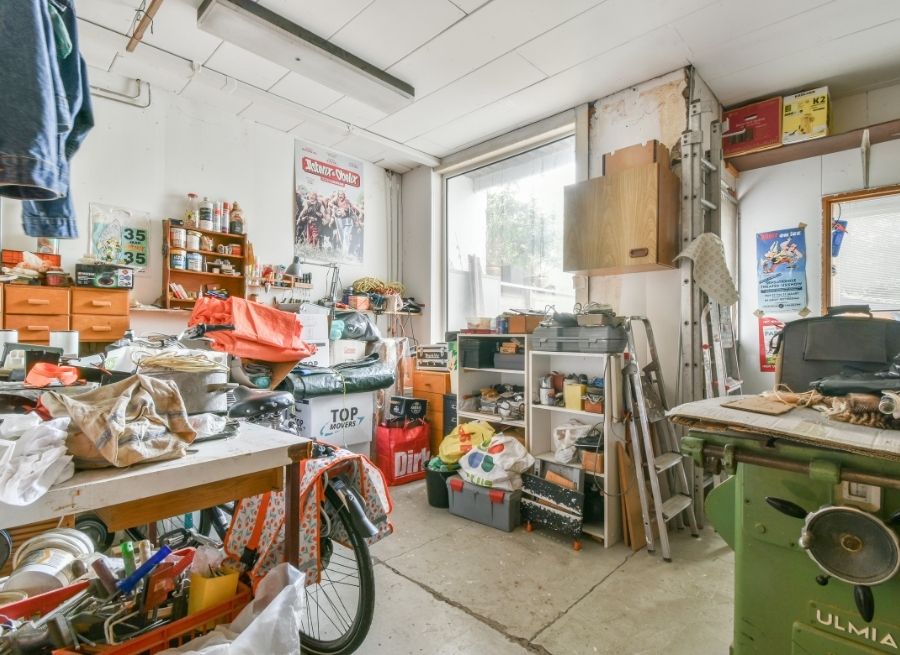
Cluttered Countertops
Cluttered countertops can make a kitchen feel chaotic and small. They take up space needed for food prep and cooking. Excess items crowd the surface, making it hard to find what you need quickly.
This clutter slows down your kitchen tasks and creates stress. It also invites dust and dirt to settle, making cleaning tougher. Keeping countertops clear helps maintain order and makes the kitchen more pleasant to use.
Impact On Efficiency
Cluttered countertops reduce workspace and limit movement. This slows cooking and preparation times. Searching for tools or ingredients wastes energy and focus. It increases the chance of spills and accidents. A crowded surface disrupts the flow of kitchen work.
Clear counters improve speed and ease in cooking. They help keep everything within reach without constant rearranging. The kitchen feels more open and inviting. Efficiency rises when countertops stay organized and free of clutter.
Tips To Minimize Clutter
Store appliances and utensils that you rarely use in cabinets or drawers. Keep only daily essentials on the countertop. Use trays or containers to group items and reduce mess. Clear counters daily by putting items away after use.
Install shelves or hooks to free up counter space. Choose multi-use tools to cut down on gadgets. Regularly check for expired or unused products and discard them. A tidy countertop creates a better cooking environment.
Ignoring Vertical Space
Many kitchens miss out on a simple space-saving trick: using vertical space. This mistake limits storage and creates clutter. Walls and tall areas often go unused. This leaves less room on counters and cabinets for essentials.
Maximizing vertical space can open up your kitchen. It helps keep things organized and easy to reach. Small kitchens especially benefit from this smart use of space.
Using Wall Storage
Wall storage is a clever way to use vertical space. Install racks or magnetic strips to hold knives, spices, or utensils. This frees up drawer and counter space. It keeps often-used items visible and accessible. Wall-mounted baskets or containers can hold fruits or small kitchen tools. This keeps counters clear and makes cleaning easier.
Benefits Of Shelves And Hooks
Shelves add extra storage without taking floor space. Use them above counters or near cooking areas. They hold dishes, cookbooks, or jars. Hooks under shelves or on walls hang mugs, pans, or towels. This keeps items off counters and within reach. Shelves and hooks help organize and tidy your kitchen efficiently.
Poor Drawer Organization
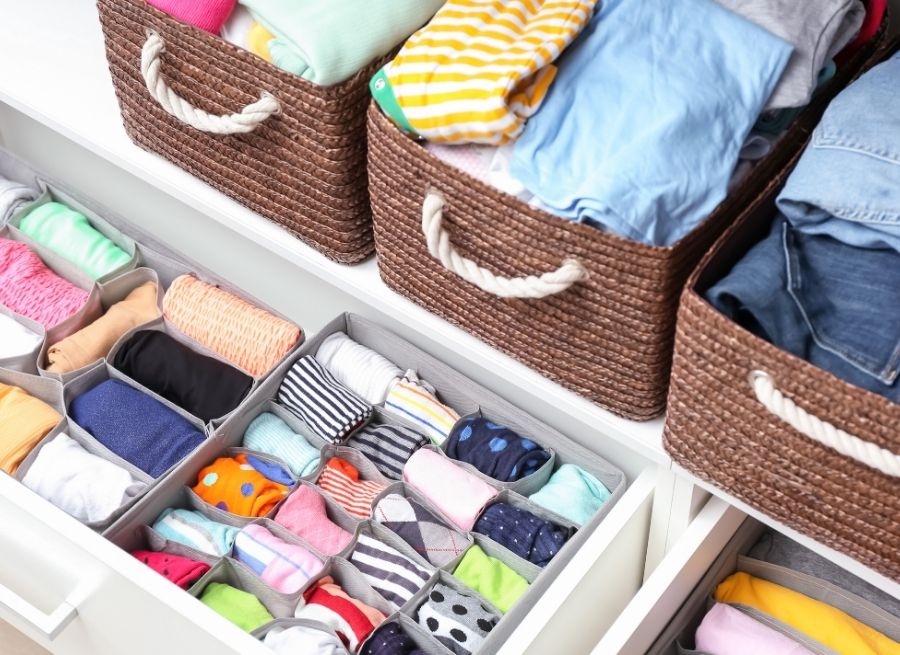
Poor drawer organization can turn your kitchen into a mess. Drawers cluttered with random utensils slow down cooking and increase stress. Messy drawers also make it hard to find the right tool quickly. Organizing drawers improves kitchen efficiency and creates a pleasant cooking space.
Choosing The Right Dividers
Drawer dividers help separate different items neatly. Choose adjustable dividers to fit various drawer sizes. Use sturdy materials like wood or plastic for durability. Dividers prevent utensils from sliding and mixing together. Proper dividers keep everything in its place and save time.
Grouping Similar Items
Keep similar kitchen tools together in one section. Group forks, knives, and spoons separately for easy access. Store baking tools in a different drawer from cooking utensils. Grouping items reduces clutter and speeds up your kitchen tasks. This simple step makes every drawer more useful and tidy.
Neglecting Pantry Layout
Neglecting pantry layout causes frustration and wasted space in your kitchen. A messy pantry makes it hard to find items quickly. It also leads to food waste because things get lost or expire. Organizing your pantry thoughtfully saves time and money. It creates a calm and efficient cooking space.
Categorizing Pantry Items
Group similar items together. Keep baking ingredients in one area. Place canned goods on another shelf. Use clear containers for snacks and grains. Labeling helps everyone know where to find things. This system reduces clutter and speeds up meal prep.
Maximizing Shelf Space
Use shelf risers to add extra levels. Stack items safely to avoid spills. Store tall bottles on the side or in door racks. Keep frequently used items at eye level. Use baskets or bins to hold small packets. These steps increase space and keep your pantry tidy.
Overstuffed Cabinets
Overstuffed cabinets create clutter and make it hard to find items fast. Piling too many things in one space wastes valuable kitchen real estate. It can also cause damage to dishes and cookware. Organizing your cabinets properly keeps your kitchen tidy and efficient.
Avoiding Overcrowding
Keep fewer items in each cabinet to prevent overcrowding. Remove rarely used tools and appliances from everyday spaces. Group similar items together for quick access. Avoid stacking too many plates or bowls high. This reduces the risk of things falling and breaking.
Utilizing Cabinet Organizers
Use shelves, racks, and dividers to create extra storage space. Organizers help separate items and keep them visible. Lazy Susans work great for spices and small jars. Pull-out baskets give easy access to pots and pans. These tools make your cabinets more functional and neat.
Lack Of Designated Zones
One common kitchen organization mistake is the lack of designated zones. Without clear areas for different tasks, the kitchen can feel messy and confusing. Cooking, prepping, and storing items get mixed up. This slows down meal prep and creates clutter. Clear zones make the kitchen more efficient and pleasant to use.
Creating Prep And Cooking Areas
Set up a specific area for food prep. Include space for chopping, mixing, and assembling ingredients. Keep knives, cutting boards, and bowls here. Next, have a separate cooking zone near the stove. Store pots, pans, and utensils in this spot. This separation helps you move smoothly from one task to the next.
Assigning Storage By Function
Organize cabinets and drawers by what you use most. Store baking supplies together. Group spices in one place. Keep everyday dishes and cups near the dishwasher or sink. This way, you find items quickly. Functional storage reduces clutter and makes your kitchen work better.
Frequently Asked Questions
What Are Common Kitchen Organization Mistakes To Avoid?
Common mistakes include overcrowding drawers, ignoring zones, poor labeling, and not using vertical space. Avoid these to improve efficiency and cleanliness.
How Can I Maximize Small Kitchen Storage Space?
Use vertical storage, stackable containers, and drawer dividers. Declutter regularly and keep frequently used items accessible to save space.
Why Is Zoning Important In Kitchen Organization?
Zoning groups similar tasks or items together. This saves time, reduces clutter, and makes cooking smoother by keeping essentials nearby.
How Does Improper Labeling Affect Kitchen Organization?
Improper labeling causes confusion and slows down cooking. Clear labels help you find items quickly and maintain a tidy kitchen.
Conclusion
Avoiding common kitchen organization mistakes saves time and reduces stress. Keep your space tidy by storing items logically and clearly. Use containers and labels to find things fast. Don’t overcrowd drawers or shelves; less clutter feels better. Regularly clean and check your kitchen setup.
Small changes make a big difference in how you cook and enjoy your kitchen. Stay consistent, and your kitchen will stay organized and pleasant. Simple habits lead to a smoother cooking experience every day.