Last Updated on October 4, 2026
Are you tired of your food going stale or spilling all over your fridge? Choosing the right food storage containers can save you time, money, and frustration.
But with so many options out there, how do you know which ones are best for your needs? Before you buy, there are some important things you should know to make the smartest choice. Keep reading to discover the 7 key tips that will help you find containers that keep your food fresh, fit your lifestyle, and last longer.
Your kitchen—and your wallet—will thank you.
Materials Used In Food Containers
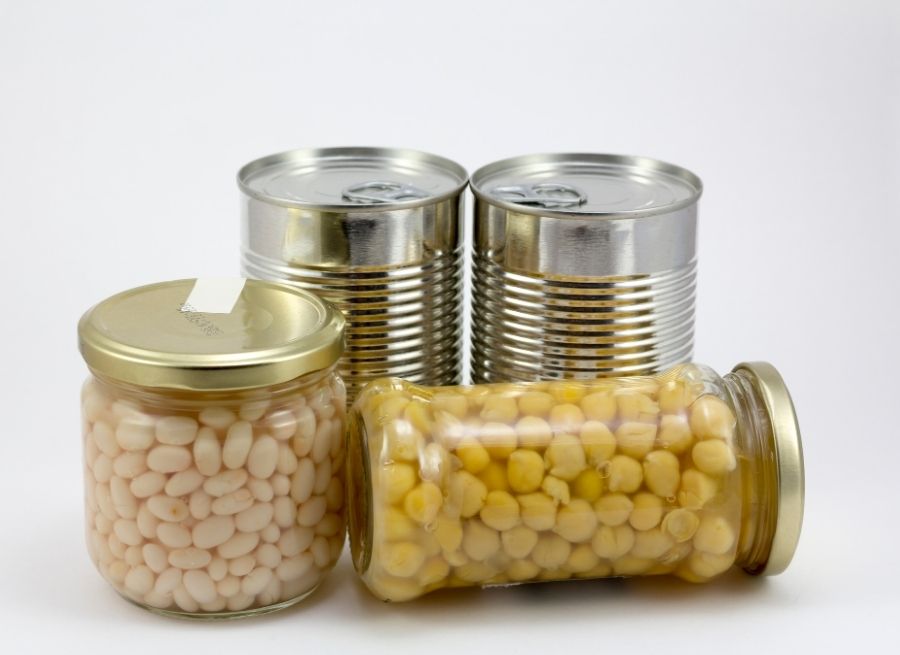
Choosing the right materials for food storage containers is very important. The material affects durability, safety, and ease of use. It also impacts how well the container keeps food fresh. Different materials offer different benefits and drawbacks. Understanding these helps you pick containers that fit your needs.
Plastic Options
Plastic containers are lightweight and affordable. They come in many shapes and sizes. Look for BPA-free plastics to avoid harmful chemicals. Some plastics are microwave-safe, while others are not. Plastic containers can stain or retain odors from food. They are not always the best choice for long-term storage.
Glass Containers
Glass containers are strong and do not absorb smells. They are safe for microwaves and ovens. Glass is easy to clean and does not stain. These containers are heavier and can break if dropped. They keep food fresh longer and are good for meal prep. Glass is a good eco-friendly option.
Stainless Steel Choices
Stainless steel containers are durable and rust-resistant. They do not leach chemicals into food. These containers are lightweight and hard to break. Stainless steel is not microwave-safe. It is perfect for storing dry foods and snacks. They last a long time and look sleek in the kitchen.
Size And Shape Considerations
Choosing the right size and shape of food storage containers is important. It affects how well your food stays fresh and how much space you save. Proper containers help keep your kitchen neat. They make storing leftovers and meal prep easier.
Common Sizes
Food storage containers come in many sizes. Small containers hold snacks or sauces. Medium sizes are great for leftovers or lunch. Large containers fit big meals or bulk items. Having different sizes helps store various foods properly. Choose sizes based on your usual cooking and eating habits.
Space-saving Shapes
Square and rectangular containers save more space than round ones. They stack neatly in the fridge or pantry. Round containers can waste space because they don’t fit tightly. Slim, tall containers fit well on narrow shelves. Select shapes that match your kitchen storage areas. This helps keep everything organized and easy to find.
Seal And Closure Types
Choosing the right seal and closure type is key when buying food storage containers. It affects how fresh your food stays and how easy the containers are to use. Good seals keep air and moisture out, stopping spills and preserving flavors.
Airtight Seals
Airtight seals stop air from entering the container. They keep food fresh longer and prevent odors from leaking out. These seals usually come with a rubber or silicone ring around the lid. This ring fits tightly to the container’s edge. It creates a strong barrier against air and moisture.
Containers with airtight seals are great for snacks, leftovers, and dry goods. They reduce waste by keeping food fresher. Look for containers that clearly say “airtight” on the label. A tight seal also helps prevent spills during transport.
Snap-on Vs Screw-on Lids
Snap-on lids click into place quickly. They are easy to open and close. These lids work well for everyday use and quick storage. However, they may not seal as tightly as screw-on lids. You might notice leaks if the container tips over.
Screw-on lids twist on and off. They create a tighter seal than snap-on lids. These lids are better for liquids and long-term storage. They provide extra protection against leaks and spills. Screw-on lids may take slightly longer to open but offer more security.
Microwave And Freezer Safety
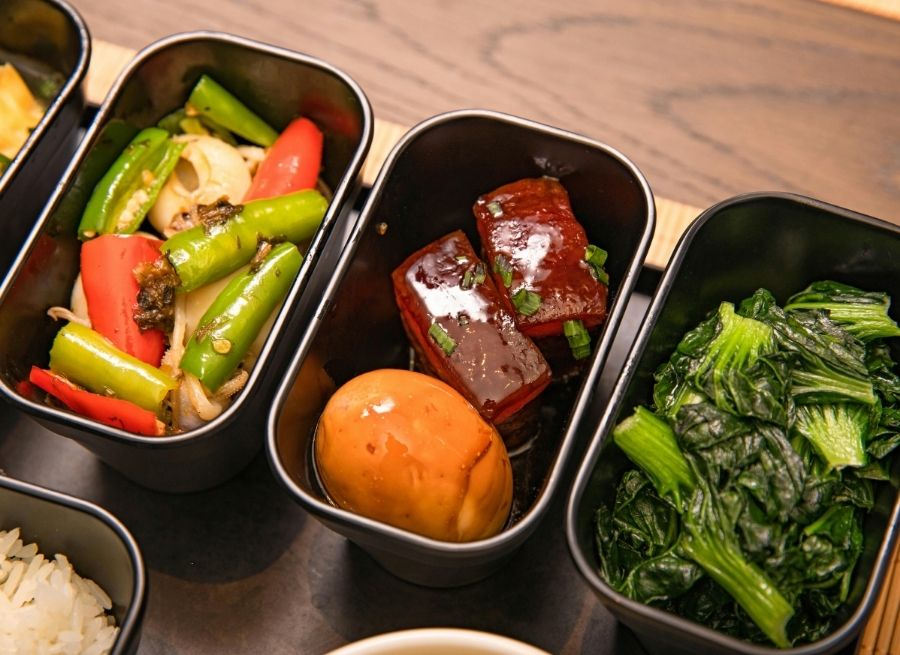
Choosing food storage containers that work well in the microwave and freezer is very important. These containers must handle changes in temperature without breaking or leaking harmful chemicals. Knowing which containers are safe helps keep your food fresh and healthy.
Heat Resistance
Containers that can handle heat without melting or warping are best for microwaves. Look for labels that say “microwave safe.” Some plastics release toxins when heated, so avoid those. Glass and ceramic containers usually resist heat well. Use lids with vents to let steam escape. This stops pressure from building inside the container.
Freeze-friendly Containers
Freezer-friendly containers must withstand very low temperatures. Not all plastics hold up well in the cold. Containers that crack or become brittle can spoil your food. Choose containers made for freezing. These keep food fresh longer and stop freezer burn. Airtight seals also protect food from moisture and odors.
Ease Of Cleaning
Cleaning food storage containers can be a chore. Choosing containers that are easy to clean saves time and effort. Some containers clean quickly in the dishwasher. Others require more work by hand. Knowing what to expect helps you pick the right ones.
Dishwasher Compatibility
Many people prefer containers that go in the dishwasher. Dishwasher-safe containers handle heat and water well. They do not warp or melt during washing. This feature makes cleaning faster and easier. Check the product label for dishwasher-safe notes. Avoid containers with parts that can trap food. These might not clean well in the dishwasher.
Design Features For Cleaning
Look for containers with smooth surfaces inside and out. Smooth surfaces prevent food from sticking. Wide openings allow easy access to all corners. Removable lids and seals help clean hard-to-reach spots. Avoid containers with many grooves or crevices. These areas often hide dirt and bacteria. Simple designs make washing quick and thorough.
Durability And Longevity
Durability and longevity are key factors when choosing food storage containers. Containers that last save money and reduce waste. Strong materials resist damage and keep food safe. Knowing what to expect helps make a smart purchase. Focus on how containers handle daily use and age.
Scratch And Stain Resistance
Scratches make containers look old and can trap bacteria. Some materials, like glass and high-quality plastic, resist scratches better. Stains from sauces and spices can ruin the container’s appearance. Look for stain-resistant options to keep containers looking clean. Easy-to-clean surfaces save time and effort. Avoid containers that absorb odors or colors from food.
Wear Over Time
Containers face heat, cold, and frequent washing. Some plastics warp or crack after a few uses. Glass containers usually last longer but can break if dropped. Check if lids seal tightly after many uses. Loose lids cause leaks and spoil food. Choose containers designed to stay strong through daily wear. Durable containers keep food fresh and save money in the long run.
Price And Brand Reputation
Price and brand reputation play a big role in choosing food storage containers. They help decide the quality and durability you get. Spending a little more on a trusted brand can save money in the long run. Cheaper options may seem good but might not last or keep food fresh well. Understanding price differences and brand trust helps make a smart choice.
Budget Vs Premium Options
Budget containers are affordable and work for basic needs. They often use simpler materials and designs. These containers may not last as long or seal as tightly. Premium options cost more but offer stronger materials and better seals. They usually resist stains and odors better. Premium containers often come with warranties. Choose based on how often and what you store.
Trusted Brands To Consider
Choose brands known for quality and safety. Look for those with good reviews and customer service. Brands like Rubbermaid, Pyrex, and Tupperware have strong reputations. They use safe materials and test their products well. Trusted brands often improve with new designs and features. Buying from these brands means less risk of leaks or breaks.
Frequently Asked Questions
What Materials Are Best For Food Storage Containers?
Glass and BPA-free plastic containers are best. Glass is durable, non-toxic, and odor-resistant. BPA-free plastic is lightweight and safe for daily use. Both materials keep food fresh and are easy to clean.
How To Choose The Right Size For Containers?
Select containers based on your food portions. Small containers suit snacks, while large ones fit leftovers. Choose stackable shapes to save space. Proper sizing reduces waste and keeps food fresh longer.
Are Airtight Containers Necessary For Food Storage?
Yes, airtight containers prevent moisture and air exposure. They keep food fresh and extend shelf life. Airtight seals also stop odors from mixing between foods. They are ideal for dry goods and leftovers.
Can Food Storage Containers Be Used In The Microwave?
Only microwave-safe containers should be used. Check labels for microwave-safe symbols. Glass and some plastics work well. Avoid containers with metal parts. Always remove lids or vent containers before microwaving.
Conclusion
Choosing the right food storage containers saves time and money. Consider size, material, and sealing features carefully. Think about how often you will use them. Containers should keep food fresh and be easy to clean. Avoid buying more than you need.
Good containers help reduce food waste. Take your time and make a smart choice. Your kitchen will thank you later.