Last Updated on October 4, 2026
Do you find yourself digging through cluttered spice jars every time you cook? In a small kitchen, keeping your spices neat and easy to reach can feel like a challenge.
But what if you could turn that chaos into order with simple, smart tricks? Imagine saving time, reducing stress, and making your cooking space more enjoyable. You’ll discover practical ways to organize your spices even when space is tight. Keep reading to transform your kitchen and make every meal prep smoother and more fun.
Assess Your Spice Collection
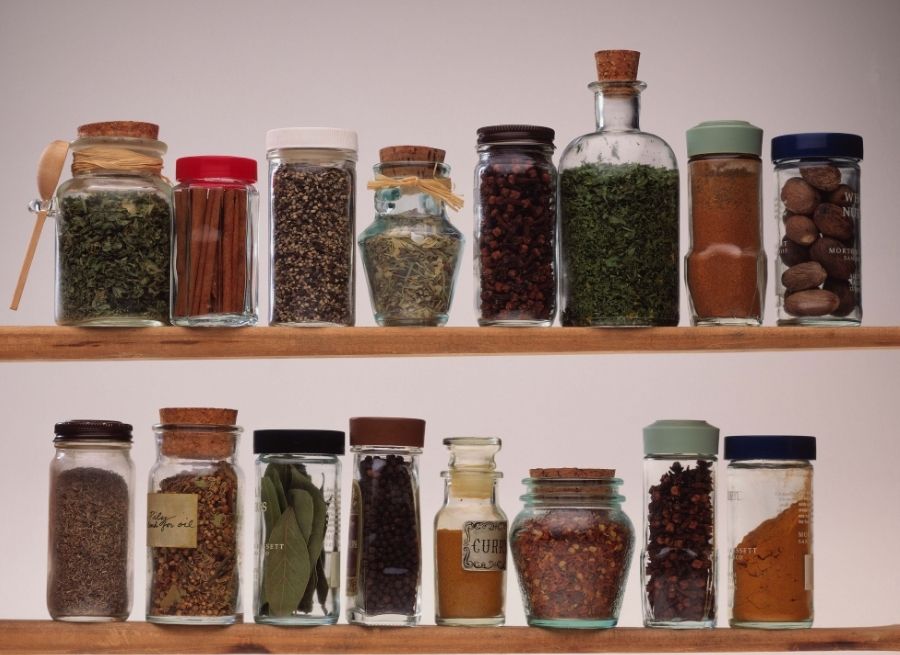
Assessing your spice collection is the first step to organize spices in a small kitchen. It helps you know what you have and what you need. This saves space and avoids clutter.
Take all your spices out of cabinets or drawers. Look at each jar or container carefully. This makes organizing easier and faster.
Sort By Frequency Of Use
Put your most used spices in a separate group. These are the ones you use every week or day. Keep them easy to reach.
Less used spices can be stored in a different spot. This keeps your kitchen neat and saves time while cooking.
Check Expiration Dates
Look at the expiration date on each spice container. Spices lose flavor over time. Throw away any expired or old spices.
Fresh spices taste better and make your food delicious. Regularly checking dates helps keep your kitchen safe and clean.
Group By Spice Type
Sort spices into groups like herbs, seeds, powders, or blends. Grouping makes it easy to find spices quickly.
You can use small baskets or trays to keep similar spices together. This saves space and keeps your kitchen tidy.
Maximize Cabinet Space
Maximizing cabinet space is key for organizing spices in a small kitchen. Cabinets often have unused areas that can store many spice jars. Smart storage solutions can make these spaces more efficient. This keeps spices easy to find and saves counter space.
Use Tiered Shelves
Tiered shelves raise spice jars in steps, making all labels visible. This prevents stacking jars behind one another. You can fit more spices in a small area. Tiered shelves are easy to install and remove for cleaning.
Install Door Racks
Cabinet doors offer extra space for spice storage. Installing racks on the inside of doors frees up shelf space. Door racks hold small jars securely and keep them organized. This method uses space that usually goes unused.
Add Pull-out Drawers
Pull-out drawers inside cabinets make spices easy to access. Drawers slide out smoothly, showing all jars at once. This avoids digging through cluttered shelves. They help keep spices neat and visible in a small kitchen.
Utilize Countertop Solutions
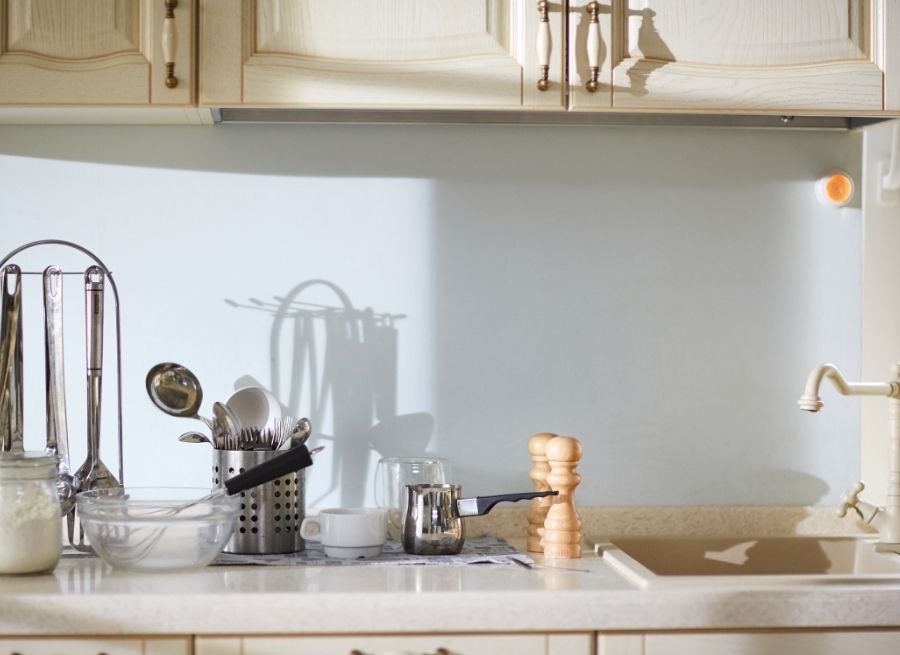
Organizing spices in a small kitchen can be tricky. Countertop solutions help keep spices within reach and tidy. They use small spaces well and make cooking easier. Spices stay visible and easy to find. These options fit even the smallest kitchens.
Magnetic Spice Jars
Magnetic spice jars stick to metal surfaces. Place them on your fridge or a metal board. This saves cabinet and drawer space. The jars keep spices fresh and visible. Labels on the lids help quick identification. Magnetic jars add a neat, modern look.
Lazy Susans
Lazy Susans spin to show all spices at once. They fit well on countertops or in cabinets. This keeps spices organized and easy to reach. Choose a small or tiered Lazy Susan for more space. Spices stay in one spot without clutter.
Stackable Containers
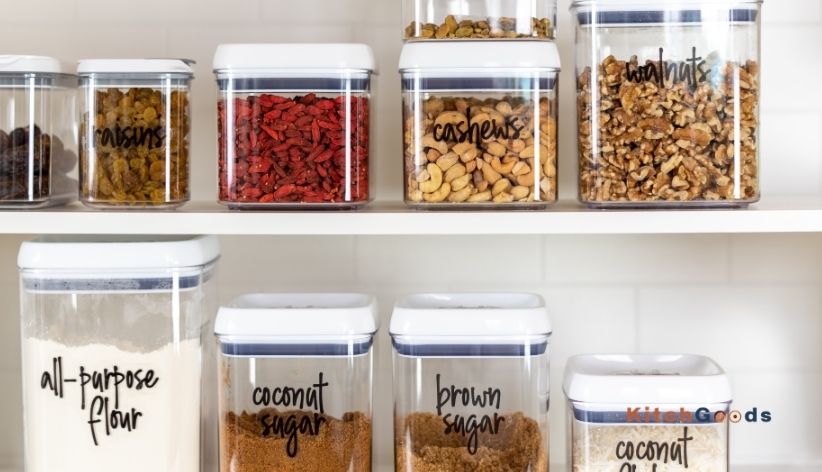
Stackable containers make good use of vertical space. They fit tightly on small countertops. Clear containers help see spice levels quickly. Use uniform sizes for a neat stack. Labels on the front keep things organized and simple.
Explore Wall And Ceiling Storage
Small kitchens need smart storage ideas. Wall and ceiling spaces are often overlooked. Using these spaces frees up counters and cabinets. It keeps spices easy to reach and saves room.
Pegboards For Jars
Pegboards are versatile and easy to install. Attach small jars with lids to hooks on the board. This keeps spices visible and organized. You can paint the pegboard to match your kitchen style. It turns a blank wall into useful storage.
Hanging Spice Racks
Hanging racks use vertical space well. They can hang on walls or inside cabinet doors. These racks hold many spice bottles in a small area. Spices stay secure and easy to find. Choose racks with clear labels for quick access.
Overhead Shelves
Ceiling shelves use often wasted space above counters. Install narrow shelves to store spices in jars or small containers. This keeps spices out of the way but still reachable. Overhead shelves add storage without crowding your kitchen.
Labeling And Identification
Labeling and identification are key for a tidy spice collection. They help you find spices fast. A clear system stops confusion. It saves space and cuts clutter. Small kitchens need smart labeling to keep everything neat.
Use Clear Labels
Choose labels with big, clear fonts. Use simple words for spice names. Avoid fancy scripts or tiny letters. Clear labels make reading easy. They reduce the time you spend searching.
Color Coding Systems
Use colors to group spices by type or use. Red for hot spices, green for herbs, yellow for common basics. Color coding helps spot spices quickly. It also adds a splash of fun to your kitchen.
Label Placement Tips
Place labels on the top or front of jars. Top labels work well for stacked spice racks. Front labels suit spice drawers or shelves. Keep labels at eye level for quick checks. Make sure labels stick well and stay neat.
Maintenance And Reorganization
Keeping your spices organized is not a one-time task. It needs regular care to stay neat and useful. Small kitchens need extra attention to keep spices easy to find. Maintenance and reorganization help your spice system work well over time.
Regularly Declutter Spices
Check your spices every few months. Remove any that are old or expired. Spice flavors fade with time, so toss those that smell weak. This frees up space for fresh spices you use more often.
Keep Inventory Updated
Write down which spices you have and how much is left. Update your list after shopping or cooking. This stops you from buying duplicates or running out of essentials. A simple list or app can help track your spices easily.
Adjust System As Needed
Change your spice storage if your cooking style changes. Add new shelves or containers if you get more spices. Make sure your system stays practical and fits your kitchen space. A flexible setup keeps your spices ready to use and your kitchen tidy.
Frequently Asked Questions
What Are The Best Spice Organizers For Small Kitchens?
The best spice organizers for small kitchens include tiered racks, magnetic jars, and drawer inserts. These save space and keep spices visible. Choose compact, multi-functional organizers to maximize limited counter or cabinet space efficiently.
How Can I Store Spices Without A Spice Rack?
You can store spices in labeled jars inside drawers or on magnetic strips attached to the fridge. Using clear containers and grouping spices by type helps maintain order and easy access without a dedicated rack.
How Do I Keep Spices Fresh Longer In A Small Kitchen?
Store spices in airtight containers away from heat, light, and moisture. Keep them in a cool, dark cabinet rather than near the stove. Proper storage preserves flavor and extends shelf life in limited spaces.
Can I Use Vertical Space For Spice Storage?
Yes, vertical space is ideal for small kitchens. Use wall-mounted racks, hanging baskets, or tiered shelves to store spices vertically. This method frees up counter and drawer space while keeping spices organized and accessible.
Conclusion
Organizing spices in a small kitchen saves space and time. Use jars or racks to keep them neat and easy to find. Label each container clearly for quick cooking. Store frequently used spices within arm’s reach. Keep less-used ones in a separate spot.
A tidy spice area makes cooking more fun and less stressful. Small changes can make a big difference in your kitchen. Start today and enjoy a clutter-free cooking space.