Last Updated on October 4, 2026
Have you ever opened your fridge only to find leftovers that don’t smell or taste quite right? It’s frustrating when your food goes bad before you get a chance to enjoy it.
You might wonder if airtight containers are the secret to keeping your meals fresh longer. Can these simple storage tools really make that much of a difference? You’ll discover how airtight containers work, whether they’re worth the investment, and practical tips to keep your food fresh every day.
Ready to save money and reduce waste? Let’s dive in.
How Airtight Containers Work
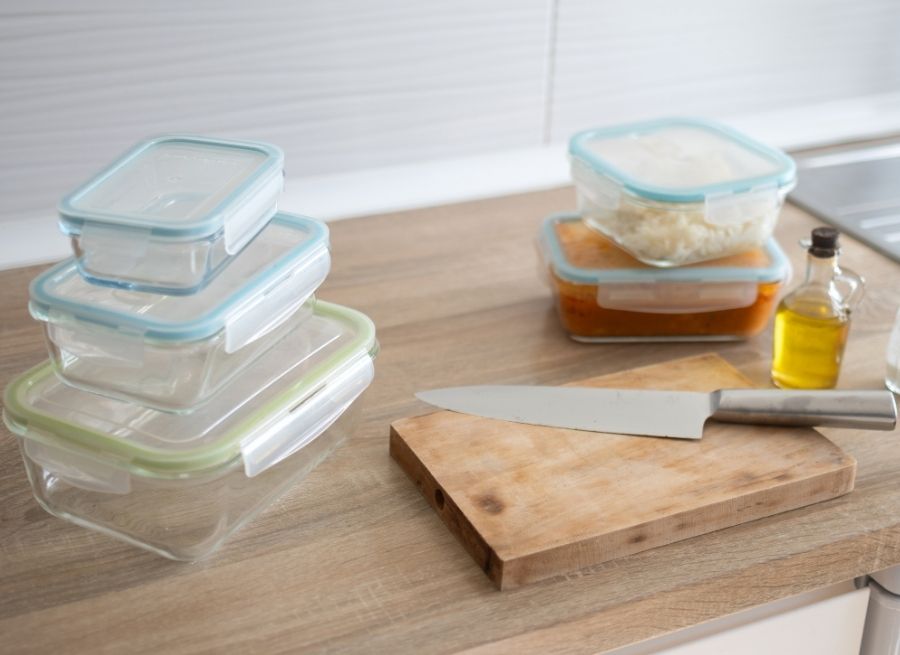
Airtight containers play a key role in keeping food fresh longer. They work by creating a sealed environment that limits exposure to air and moisture. This slows down the processes that cause food to spoil. Understanding how these containers work helps you choose the right one for your needs.
Sealing Mechanisms
Airtight containers use different sealing methods to block air. Some have rubber or silicone gaskets that fit tightly around the lid. Others use locking clips to hold the lid firmly in place. These seals prevent air from entering or escaping. A strong seal is essential for preserving freshness.
Materials Used
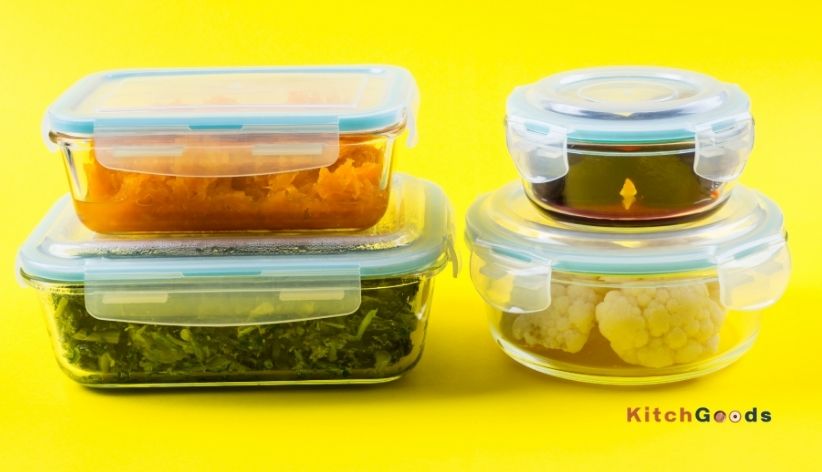
Common materials include plastic, glass, and stainless steel. Plastic containers are lightweight and often clear to see inside. Glass containers resist stains and odors better than plastic. Stainless steel is durable and keeps food safe from light. Each material affects how well the container keeps food fresh.
Effect On Air And Moisture
Airtight containers limit air exposure, reducing oxidation. Oxidation causes food to lose flavor and color. They also block moisture, which can cause mold and spoilage. By controlling air and moisture, these containers slow down bacterial growth. This helps food stay fresh and safe to eat longer.
Benefits For Food Freshness
Airtight containers help keep food fresh by stopping air and moisture from reaching it. They create a sealed space that protects food from outside elements. This protection keeps food tasting good and looking fresh for longer. Here are key benefits of airtight containers for food freshness.
Slowing Down Oxidation
Oxidation happens when food meets oxygen. It causes food to spoil and lose flavor quickly. Airtight containers block oxygen from entering. This slows down the oxidation process. As a result, food stays fresh and tasty longer. Fruits, vegetables, and nuts all benefit from less oxidation.
Preventing Moisture Loss
Moisture loss makes food dry and hard. It changes the texture and flavor negatively. Airtight containers trap moisture inside. This keeps food soft and juicy. Bread, cheese, and cooked meals maintain their quality. Preventing moisture loss also stops food from shrinking or becoming stale.
Reducing Contamination
Air contains dust, bacteria, and germs. These can spoil food or cause illness. Airtight containers block these harmful elements. This reduces the chance of contamination. Food stays cleaner and safer to eat. This is especially important for leftovers and raw foods.
Types Of Airtight Containers
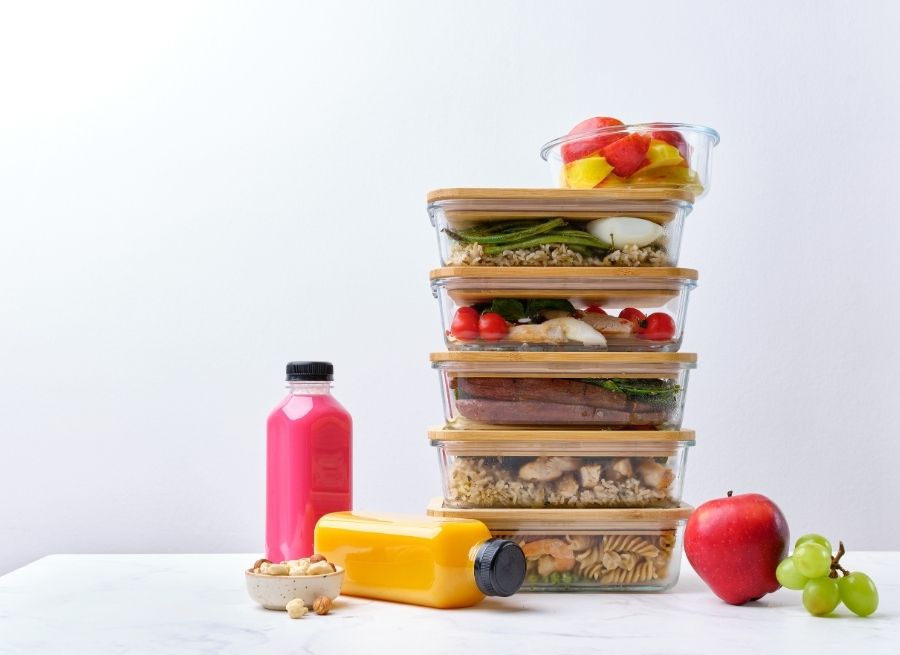
Airtight containers come in many types. Each one works differently to keep food fresh. Choosing the right container helps reduce waste and saves money. Understanding the features of each type makes storing food easier.
Some containers are better for certain foods or storage needs. Here are the main types of airtight containers you can use at home.
Glass Vs Plastic
Glass containers do not absorb smells or stains. They are easy to clean and last a long time. Glass is safe for use in microwaves and ovens. Plastic containers are lighter and less likely to break. Some plastics can hold odors or stains from food. Look for BPA-free plastic to avoid harmful chemicals. Both types seal well but glass often has a tighter seal.
Vacuum-sealed Options
Vacuum-sealed containers remove air around the food. This slows down spoilage and keeps food fresh longer. These containers are great for meats, cheese, and leftovers. They usually require a special pump or machine. Vacuum sealing also prevents freezer burn when storing frozen food. They are a good choice for long-term food storage.
Specialty Containers
Specialty containers are designed for specific foods. For example, herb keepers keep herbs fresh and crisp. Cheese containers help prevent mold and dryness. Some containers have built-in filters to control moisture. These containers can improve food quality and extend freshness. Choosing the right specialty container depends on what you store most.
Limitations And Considerations
Airtight containers help keep food fresh but have some limits. Understanding these limits helps use them well. Not all foods stay fresh the same way inside these containers. Storage conditions also change how long food lasts. Some risks come with airtight storage too. Knowing these points keeps food safe and tasty longer.
Not Suitable For All Foods
Some foods do not do well in airtight containers. Fresh vegetables that release moisture can spoil faster. Soft fruits may get mushy without air flow. Foods like cheese need air to stay fresh. Dry foods like nuts and grains work best in airtight containers. Choose container types based on the food you store.
Potential For Mold Growth
Trapping moisture inside airtight containers can cause mold. If food is not dry or clean, mold grows quickly. This is true for leftovers and fresh produce. It is important to dry food before storing. Open containers often to let fresh air in. Watch for signs of mold and throw food away if needed.
Storage Environment Impact
Where you keep airtight containers matters a lot. Heat can speed up food spoilage even in sealed containers. Cold places like refrigerators help food last longer. Humid areas increase the risk of mold and bacteria. Store containers in cool, dry places for best results. Check storage spots regularly to keep food safe.
Tips For Maximizing Freshness
Using airtight containers helps keep food fresh longer. To get the best results, follow some simple tips. These tips will help you store food safely and keep its taste and texture.
Proper Cleaning And Maintenance
Clean containers thoroughly before use. Dirt or leftover food can cause mold and bacteria growth. Wash lids and seals carefully. Dry containers completely before storing food. Check for cracks or damage regularly. Replace containers that no longer seal well.
Correct Storage Practices
Store food in the right part of the fridge or pantry. Keep containers away from heat and sunlight. Avoid overfilling containers to allow air circulation. Label containers with dates to use food on time. Use older food first to reduce waste.
Using Containers With Fresh Produce
Wash fruits and vegetables before storing. Dry produce well to prevent moisture buildup. Use containers designed for fresh produce. Some containers have vents to control airflow. Store cut produce separately to avoid spoiling.
Comparing Airtight Containers To Other Methods
Airtight containers are popular for keeping food fresh. Comparing them to other methods shows their strengths and limits. Each way has unique features that affect food freshness. Understanding these differences helps choose the best storage method.
Plastic Wrap And Foil
Plastic wrap and foil are common for short-term storage. They cover food but do not seal completely. Air can still enter and cause spoilage. Foil blocks light but may tear easily. Plastic wrap clings well but can trap moisture. Both are less reliable for long-term freshness.
Freezing And Refrigeration
Freezing slows down bacteria and mold growth. It keeps food fresh for weeks or months. Refrigeration cools food to reduce spoilage speed. Both methods work well with airtight containers. Freezing alone may cause freezer burn without a good seal. Refrigeration without airtight containers can dry food out.
Vacuum Sealers
Vacuum sealers remove air completely from bags. This method extends freshness much longer than others. It prevents freezer burn and slows bacteria growth. Vacuum sealing works best for meats and bulk foods. It requires special equipment and bags. Airtight containers cannot remove all air but are easier to use.
Frequently Asked Questions
How Do Airtight Containers Preserve Food Freshness?
Airtight containers block air and moisture, slowing food spoilage. They help maintain flavor, texture, and nutrients longer. By limiting exposure to oxygen, these containers reduce oxidation and bacterial growth, extending the shelf life of perishable foods effectively.
Can Airtight Containers Prevent Food Odor Mixing?
Yes, airtight containers seal in food odors, preventing them from spreading. This keeps your fridge or pantry smelling fresh. It also stops different food smells from mixing, preserving each item’s original aroma and taste.
Are Airtight Containers Better Than Plastic Wrap?
Airtight containers offer a tighter seal than plastic wrap. They reduce air exposure more effectively, preventing spoilage and freezer burn. Containers are reusable and eco-friendly, while plastic wrap often lacks durability and may allow air in.
What Foods Benefit Most From Airtight Storage?
Fresh fruits, vegetables, leftovers, and baked goods benefit most from airtight storage. It preserves moisture and freshness while preventing contamination. Dry foods like nuts and cereals also stay crisp longer when stored in airtight containers.
Conclusion
Airtight containers help slow down food spoilage. They keep air and moisture out. This stops bacteria and mold from growing fast. Using these containers saves money by reducing food waste. They also make your kitchen neater and more organized. Still, not all foods last the same time inside.
Remember to store food properly and check it often. Airtight containers offer a simple way to keep food fresh longer. Try them to see the difference in your daily routine.