Last Updated on October 4, 2026
Food storage containers are one of the most-used items in any kitchen. From saving leftovers and packing lunches to organizing pantry staples and meal prep ingredients, the right containers can make daily cooking and storage much easier. But when it comes to choosing between glass vs plastic food containers, many home cooks are unsure which option is actually better.
The answer depends on what matters most to you. Glass containers are often praised for durability, cleanliness, and heat resistance, while plastic containers are valued for being lightweight, affordable, and convenient. Both have strengths, and both have drawbacks. Understanding the differences can help you choose the best option for your kitchen, lifestyle, and food storage habits.
Glass vs Plastic Food Containers: Quick Answer
Glass food containers are generally better for durability, odor resistance, stain resistance, reheating, and long-term food storage. Plastic food containers are better for portability, lower cost, and lightweight everyday convenience.
In simple terms:
- Choose glass containers if you want a longer-lasting, cleaner-feeling option for leftovers, meal prep, and reheating food.
- Choose plastic containers if you want something lighter, cheaper, and easier to carry for lunches or on-the-go use.
For many kitchens, the best solution is actually a mix of both.
Why the Right Food Storage Containers Matter
Food containers do more than just hold leftovers. They affect how fresh your food stays, how easy it is to reheat meals, how organized your kitchen feels, and even how much waste your household creates over time.
A poor-quality container may stain, warp, crack, leak, or absorb odors after only a short period of use. A better container can keep food fresher, stack neatly, and hold up to repeated use for years. That is why choosing the right material matters more than many people realize.
What Are Glass Food Containers?
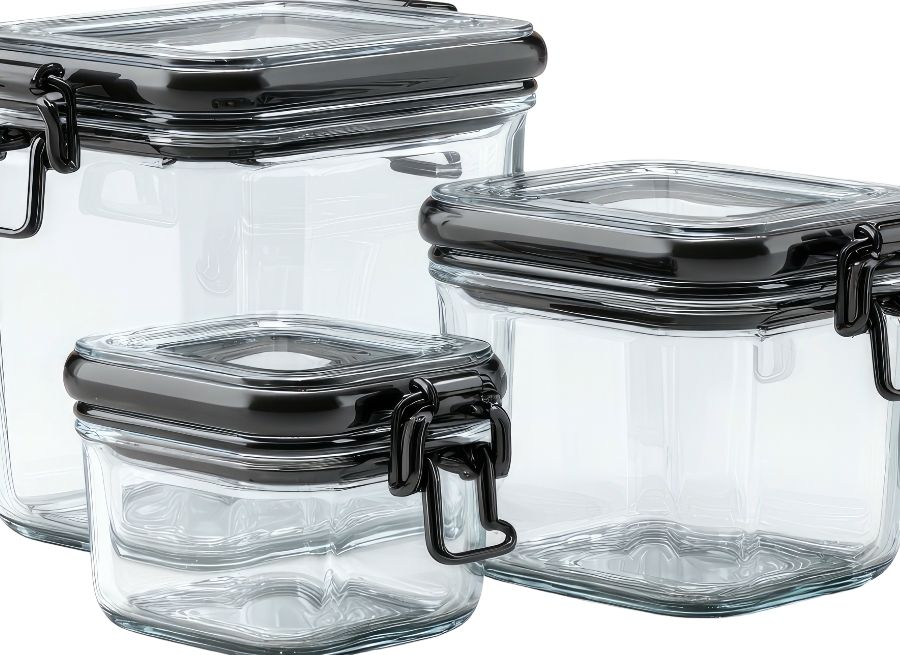
Glass food containers are made from tempered or heat-resistant glass and are commonly used for leftovers, meal prep, baking, and food storage. Many include snap-on lids made of plastic, silicone, or a combination of materials.
Common Features of Glass Containers
- Heavier and more solid than plastic
- Often safe for oven, microwave, refrigerator, and freezer use
- Resistant to stains and lingering food odors
- Clear and easy to see through
- Often designed for long-term use
Glass containers are especially popular with home cooks who do a lot of meal prep or want a more premium feel in their kitchen storage setup.
What Are Plastic Food Containers?
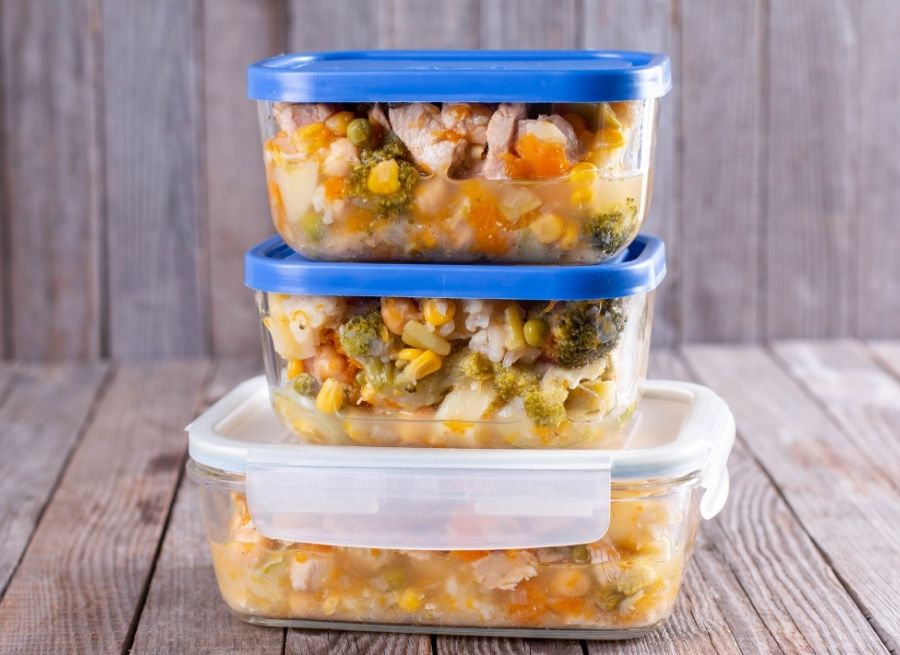
Plastic food containers are lightweight storage containers typically made from food-safe plastic. They are widely used for leftovers, packed lunches, pantry storage, and general food organization.
Common Features of Plastic Containers
- Lightweight and easy to carry
- Usually less expensive than glass
- Available in many shapes and sizes
- Less fragile than glass when dropped
- Common in lunch boxes and portable meal storage
Plastic containers are often chosen for convenience, especially in households with kids, frequent travel, or a need for large sets at a lower cost.
Glass vs Plastic Food Containers: Key Differences
Although both types can be useful, they perform differently in several important areas.
1. Durability Over Time
Glass containers usually last longer when properly handled. They do not warp easily, and they hold up well to repeated washing, reheating, and daily use. However, they can break if dropped on a hard surface.
Plastic containers are less likely to shatter when dropped, but they tend to wear out faster. Over time, they may crack, become cloudy, warp, or stop sealing properly.
So while plastic may survive falls better in the short term, glass often wins for long-term durability if used carefully.
2. Weight and Portability
This is one of the biggest differences between the two.
- Glass: heavier and bulkier
- Plastic: lighter and easier to carry
If you pack lunch for work, school, or travel often, plastic containers are generally easier to transport. Glass can feel heavy in a bag and may be less practical for commuting or carrying multiple meals.
3. Stain Resistance
Glass containers are much better at resisting stains. Foods like tomato sauce, curry, chili, and oily dressings can quickly discolor plastic, while glass usually stays clear and clean-looking.
If appearance matters to you, or if you store strongly colored foods often, glass has a clear advantage.
4. Odor Resistance
Glass also performs better when it comes to odors. It does not absorb food smells the way plastic sometimes does. Plastic containers may retain the scent of garlic, onions, sauces, or spicy foods even after washing.
This makes glass a better choice for people who store leftovers frequently and want containers to stay fresh and neutral over time.
5. Microwave and Heat Safety
Glass containers are generally better for reheating food because they can handle heat more reliably. Many are microwave-safe, and some are even oven-safe if the lid is removed and the product is designed for high temperatures.
Plastic containers vary more. Some are labeled microwave-safe, but others may warp or degrade with repeated heat exposure. Even microwave-safe plastic may not feel as sturdy or reliable for frequent reheating as glass.
If you regularly go straight from fridge to microwave, glass is often the more dependable option.
6. Freezer Performance
Both glass and plastic can be used in the freezer, but each comes with considerations.
- Glass: great for freezer storage if designed for it, but it must have room for food expansion to help prevent cracking
- Plastic: lightweight and convenient, though some plastic may become brittle over time in very cold conditions
Freezer-safe glass containers work well, but they require a bit more care. Plastic is often more forgiving for casual freezer use.
7. Cost
Plastic containers are usually more affordable upfront. You can often buy a large set for the same price as a smaller glass set.
Glass containers typically cost more initially, but because they often last longer and resist wear better, they may offer better value over time.
If budget is your top priority, plastic usually wins. If long-term quality matters more, glass may be worth the extra investment.
Glass vs Plastic Food Containers Comparison Table
| Feature | Glass Containers | Plastic Containers |
|---|---|---|
| Weight | Heavier | Lighter |
| Portability | Less convenient for travel | Easy to carry |
| Stain Resistance | Excellent | Can stain over time |
| Odor Resistance | Excellent | May absorb odors |
| Heat Tolerance | Usually very good | Varies by product |
| Break Risk | Can shatter if dropped | Usually does not shatter |
| Long-Term Durability | Often better | Often wears out faster |
| Cost | Higher upfront cost | Lower upfront cost |
When Glass Food Containers Are the Better Choice
Glass containers are often the better option if you want a more durable and versatile storage solution for everyday kitchen use.
Glass Is Best For:
- Storing leftovers in the fridge
- Reheating food in the microwave
- Meal prepping for the week
- Foods with sauces, oils, or strong odors
- People who want containers that stay looking clean over time
Glass is especially appealing for home cooks who prioritize quality, easy cleanup, and long-term use over light weight.
When Plastic Food Containers Are the Better Choice
Plastic containers are often the better choice when convenience and portability matter most.
Plastic Is Best For:
- Packing lunches for work or school
- Transporting food to events or picnics
- Households with children
- People who want an affordable large set
- Situations where break resistance matters more than long-term appearance
Plastic also works well for dry pantry storage, snack prep, and casual everyday use where weight is a major factor.
What About Health and Safety?
This is one of the most common reasons people compare glass and plastic containers. Many people prefer glass because it feels more stable and inert, especially when used for heating food. Glass does not stain, retain oily residue as easily, or show wear from heat in the same way plastic can.
Plastic containers made for food storage can still be useful and widely used, especially when they are clearly labeled for food-safe and microwave-safe use. However, if you want the material that generally feels more dependable for hot foods and repeated reheating, glass is often the preferred choice.
For best results with either material, always follow the manufacturer’s care instructions and replace damaged containers or lids when they become cracked, warped, or no longer seal properly.
Which Containers Are Better for Meal Prep?
For most meal prep routines, glass containers are usually better. They stack well, move easily from fridge to microwave, and hold up better to repeated use. They also make it easier to store full meals without worrying as much about staining or lingering smells.
That said, plastic containers can still be useful for meal prep if you need lighter containers for carrying food to work, school, or the gym. They are also helpful when you need many containers at once without spending too much.
Which Is Better for Families?
For families, the answer often depends on how the containers will be used.
Glass May Be Better If:
- You store lots of leftovers at home
- You reheat meals frequently
- You want fewer replacements over time
Plastic May Be Better If:
- You pack lunches daily
- You have young children
- You want lightweight containers that are easy to carry
Many families find that using glass at home and plastic on the go gives them the best of both worlds.
Can You Use Both?
Yes, and for many kitchens that is the smartest approach. Glass and plastic containers do not have to compete as an all-or-nothing choice. Each works well in different situations.
For example, you might use:
- Glass containers for leftovers, meal prep, and reheating
- Plastic containers for lunch bags, snacks, travel, and lightweight storage
This combination gives you flexibility while helping you use each material where it performs best.
How to Choose the Best Food Containers for Your Kitchen
If you are trying to decide between glass and plastic, think about how you actually use your containers each week.
Ask Yourself These Questions
- Do you mostly store leftovers at home or pack meals to go?
- Do you reheat food often in the same container?
- Are stains and odors a frequent problem?
- Do you want something lightweight or something long-lasting?
- Is your priority lower cost now or better value over time?
Your answers will usually make the better choice much clearer.
Tips for Getting the Most Out of Your Containers
No matter which material you choose, a few simple habits can help your containers last longer and work better.
Choose Containers with Secure Lids
A good lid matters just as much as the base. Leak-resistant, tight-fitting lids help keep food fresh and reduce messes.
Buy Stackable Shapes
Uniform, stackable containers make cabinets, refrigerators, and meal prep storage much easier to organize.
Replace Worn Pieces Promptly
If a container is cracked, stained beyond cleaning, or no longer seals well, it is time to replace it.
Match the Container to the Task
Use glass for hot leftovers and durable home storage. Use plastic for portability and lower-risk transport.
Final Thoughts
When comparing glass vs plastic food containers, glass is usually the better choice for long-term durability, cleaner storage, reheating, and resistance to stains and odors. Plastic is usually the better choice for lightweight portability, lower upfront cost, and everyday convenience on the go.
There is no single best option for every kitchen. The better choice depends on how you cook, store, and transport food. For many home cooks, the most practical solution is to keep both on hand and use each where it makes the most sense.
If you want quality and longevity, choose glass. If you want convenience and portability, choose plastic. If you want the most flexibility, use both.
Quick Recap
- Glass containers: better for reheating, stain resistance, odor resistance, and long-term use
- Plastic containers: better for portability, affordability, and packed lunches
- Best for meal prep: usually glass
- Best for travel and lunch bags: usually plastic
- Best overall solution: a mix of both for different kitchen needs