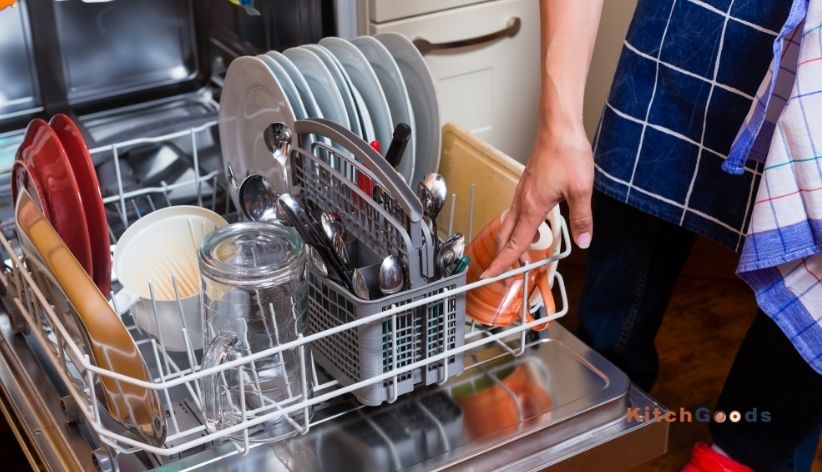
Are you wondering if it’s safe to toss your kitchen knives in the dishwasher? You’re not alone.
Many people think this is the easiest way to clean up after cooking. But before you load those sharp blades, you should know there might be risks involved. Your knives are important tools, and how you clean them can affect their sharpness and lifespan.
Keep reading to find out the truth about dishwasher use and learn the best way to care for your knives. Your kitchen skills—and your knives—will thank you.

Dishwasher Safety For Knives
Dishwasher safety for knives matters a lot. Knives need special care during cleaning. Using a dishwasher might seem easy, but it can cause problems. Knowing the risks helps keep your knives sharp and safe.
Risks Of Dishwasher Cleaning
Dishwashers use strong water pressure and heat. This can cause knives to bump into other items. Collisions may chip or dull the blades. The dishwasher detergent is harsh and can damage the metal. Rust spots might form if knives are left wet too long.
Effects On Knife Blades
Knife blades lose their sharpness faster in a dishwasher. The blade edges can become dull from rubbing. High heat can weaken the metal over time. This reduces the blade’s cutting ability. Regular dishwasher cycles shorten the knife’s life.
Handle Damage Concerns
Knife handles can suffer in the dishwasher too. Heat and water can loosen glued handles. Wooden handles may crack or warp from moisture. Plastic handles might fade or become brittle. Loose or damaged handles make knives unsafe to use.
Material Matters
Material plays a big role in deciding if you can put kitchen knives in the dishwasher. Some knife materials handle dishwashers better than others. Knowing the type of material helps protect your knives and keeps them sharp longer.
Stainless Steel Knives
Stainless steel knives are common and resist rust well. They can usually survive dishwashers. But the heat and water pressure may dull the blade over time. The handles might also loosen or crack from heat exposure. Washing by hand is safer for these knives.
Carbon Steel Knives
Carbon steel knives are sharp and strong but prone to rust. Dishwashers cause quick rusting and damage on these blades. The detergent and moisture strip the protective oils. Hand washing and drying immediately is best for carbon steel knives.
Ceramic Knives
Ceramic knives have very hard blades that stay sharp long. They do not rust or corrode. However, dishwashers can chip or break their delicate blades. The rough water jets and heat cause damage. It is safer to wash ceramic knives by hand carefully.
Proper Knife Care
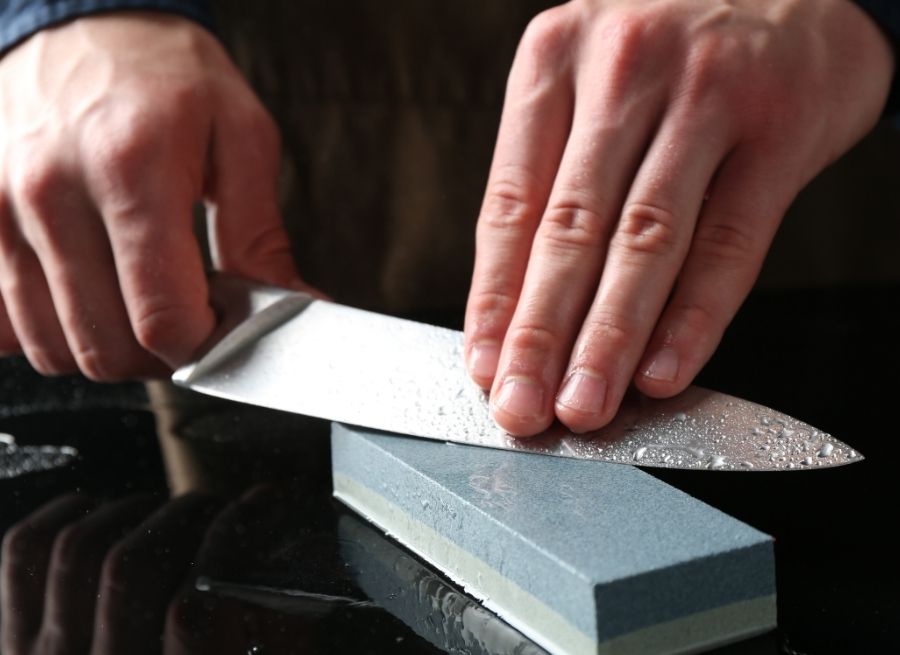
Proper knife care helps keep your kitchen knives sharp and safe for a long time. Knives that are cared for well cut better and feel good in your hand. Simple habits can protect your knives from damage and rust. This makes cooking easier and more enjoyable.
Hand Washing Benefits
Hand washing knives is the best way to keep them safe. Dishwashers can cause knives to bump against other items. This can dull or chip the blade. The heat and water pressure in dishwashers can also harm the knife handle.
Use warm water and mild soap to clean your knives. Gently scrub the blade and handle with a soft sponge. Rinse well to remove all soap. This method keeps knives sharper and lasts longer.
Drying And Storage Tips
Dry knives immediately after washing to stop rust. Water left on blades can cause spots and corrosion. Use a clean towel and wipe carefully.
Store knives in a block or on a magnetic strip. Avoid tossing them in a drawer where blades can touch. Proper storage protects the edge and keeps knives ready for use.
When Dishwasher Use Is Acceptable
Dishwasher use can be fine for some kitchen knives. Knowing which knives and how to load them keeps them safe. This helps avoid damage and keeps your knives sharp longer.
Understanding when dishwasher use is acceptable protects your investment. It also makes cleaning easier and faster.
Dishwasher-safe Knives
Some knives are made for dishwasher cleaning. Stainless steel blades often handle dishwasher heat and water well. Look for labels that say “dishwasher safe.”
Knives with plastic handles usually do better in dishwashers. Wood handles soak up water and can crack or warp. Avoid putting wooden knives in the dishwasher.
Cheap or delicate knives may lose their edge or rust. Use the dishwasher only for sturdy, dishwasher-safe knives.
Safe Loading Practices
Place knives carefully in the dishwasher. Blade edges should face down to avoid cuts and damage. Avoid piling knives together to prevent scratches.
Use the utensil rack or a separate knife holder if your dishwasher has one. Keep knives away from heavy pots and pans.
Do not place knives near heating elements. High heat can harm the blade and handle. Proper loading improves cleaning and safety.
Alternatives To Dishwashing
Dishwashing can harm your kitchen knives over time. The dishwasher’s heat and harsh detergents dull blades and damage handles. Using other methods keeps your knives sharp and safe. These alternatives help maintain your knives’ quality and extend their life. Here are two effective ways to care for your knives without the dishwasher.
Using Knife Sharpeners
Knife sharpeners restore the blade’s sharp edge. Manual sharpeners are simple and affordable. They have slots with abrasive surfaces to sharpen knives quickly. Electric sharpeners do the work faster but cost more. Sharpen knives regularly to keep cuts clean and safe. Avoid over-sharpening, which can wear down the blade.
Regular Maintenance Routines
Washing knives by hand is the best routine. Use warm water and mild soap with a soft cloth. Dry knives immediately to prevent rust. Store knives in a block or magnetic strip to protect edges. Honing rods realign blade edges between sharpening. Use a honing rod every few uses for smooth slicing.
Frequently Asked Questions
Can Dishwasher Damage Kitchen Knives?
Yes, dishwashers can damage knives by dulling blades and causing rust. The high heat and harsh detergents weaken the steel and handles over time.
Is Handwashing Better For Kitchen Knives?
Handwashing is gentler and helps maintain sharpness. It prevents corrosion and preserves the knife’s lifespan better than dishwashers.
What’s The Best Way To Dry Kitchen Knives?
Dry knives immediately with a soft towel after washing. Air drying can cause water spots and rust, especially on high-carbon steel.
Can Dishwasher Affect Knife Handles?
Yes, dishwasher heat and detergents can crack or loosen wooden or glued handles. Plastic handles may fade or become brittle over time.
Conclusion
Putting kitchen knives in the dishwasher can cause damage. The heat and water can dull the blade quickly. Handles may also weaken or crack over time. Hand washing keeps knives sharp and safe longer. Dry them right after washing to prevent rust.
It takes a little extra effort but is worth it. Protect your knives for better cooking and safety. Choose the best way to care for your tools. Your knives will thank you with every meal.