Are you tired of your kitchen knives losing their sharpness too quickly? You’re not alone.
Many home cooks and chefs struggle with dull knives, which can make cooking frustrating and even dangerous. The good news is, you might be making simple mistakes that are causing your knives to dull faster than they should. You’ll discover the top 6 mistakes that could be ruining your knives’ edge—and how to fix them.
Keep reading to learn how to keep your knives sharp and ready for every meal!
Using The Wrong Cutting Surface
Using the wrong cutting surface is a common mistake that makes kitchen knives dull faster. Some surfaces are too hard and damage the knife’s edge quickly. Choosing the right surface helps keep knives sharp and lasts longer. This section explains which surfaces harm knives and which ones protect them.
Impact Of Hard Surfaces
Hard surfaces like glass, stone, or metal cause knives to dull fast. These materials are tough and wear down the blade’s edge. Cutting on glass or stone chips the knife and creates tiny cracks. Metal surfaces can scratch and damage the blade. Using these surfaces wears knives unevenly and shortens their life.
Best Surfaces For Knives
Soft surfaces like wood and plastic protect knife edges better. Wood cutting boards absorb the impact and do not harm blades. Plastic boards are smooth and gentle on knives. Bamboo boards also work well but can be a bit harder than wood. Always pick a cutting board that is soft and easy on knives to keep them sharp longer.
Improper Cleaning Techniques
Improper cleaning techniques can make kitchen knives lose their sharpness quickly. Dirt and food particles can stick to the blade if not cleaned well. Using wrong methods can also cause tiny damage to the blade and handle. Proper cleaning helps keep knives sharp and safe to use.
Avoiding Dishwashers
Dishwashers can harm your kitchen knives. The high heat and strong detergent dull the blade fast. Knives can hit other dishes and get chipped or bent. Rust can form on the blade if left wet in the machine. Hand washing is a safer choice for knife care.
Hand Washing Tips
Wash knives by hand right after use. Use warm water and mild dish soap. Clean the blade gently with a soft sponge or cloth. Avoid scrubbing hard or using abrasive materials. Dry knives immediately with a clean towel to stop rust. Store knives dry to keep them sharp longer.
Neglecting Regular Sharpening
Neglecting regular sharpening is one of the main reasons kitchen knives become dull fast. A sharp knife cuts food easily and safely. Without sharpening, the blade loses its edge and becomes less effective. This can make cooking frustrating and even dangerous. Regular sharpening keeps the blade in good shape and extends the knife’s life.
Signs Your Knife Needs Sharpening
Blunt knives do not cut smoothly. They slip or crush food instead of slicing. You may notice the knife needs more force to cut. Edges may look dull or chipped. Cutting paper or tomatoes can test sharpness. If the knife struggles with these tasks, it needs sharpening.
Tools For Sharpening Knives
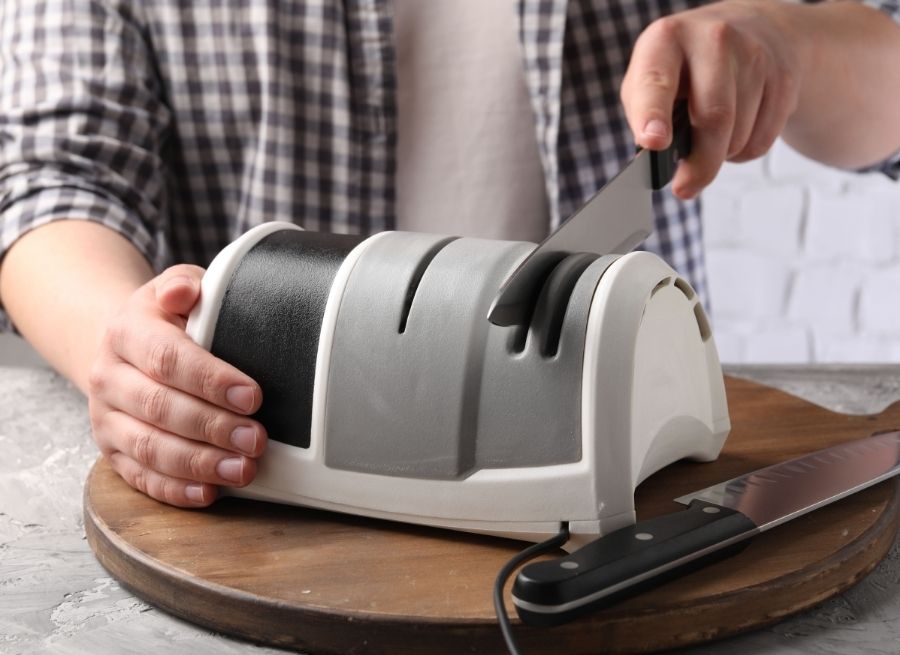
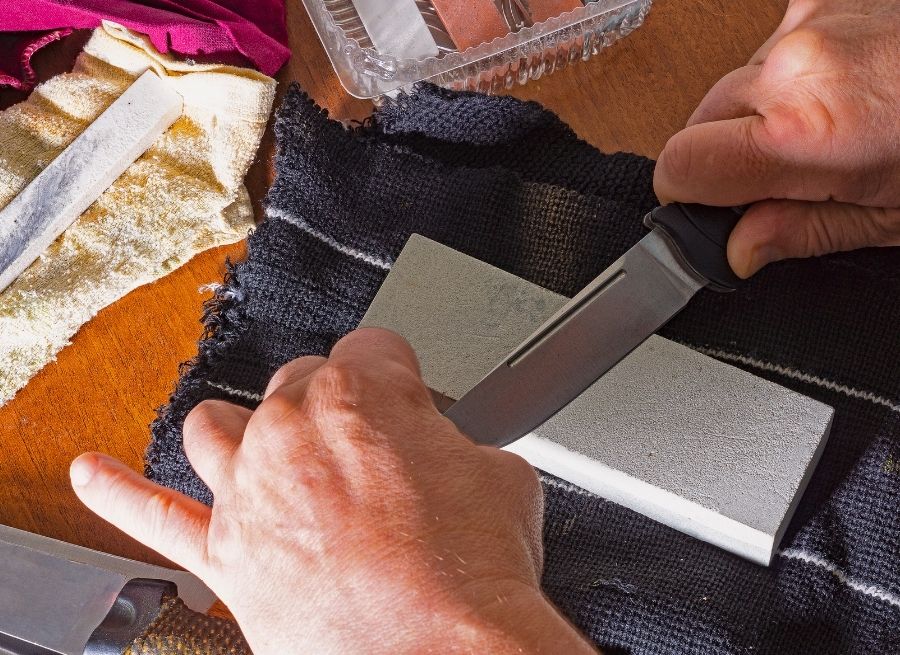
Several tools help sharpen kitchen knives. A whetstone is popular and effective. It requires some practice but gives great results. Electric sharpeners offer quick and easy sharpening. They are good for beginners. Honing rods do not sharpen but help keep the edge aligned between sharpenings. Choose a tool that fits your skill and needs.
Incorrect Storage Methods
Incorrect storage methods can damage kitchen knives quickly. Storing knives the wrong way causes blades to knock against hard surfaces. This dulls the edge and shortens the knife’s life. Proper storage protects sharpness and keeps knives safe.
Risks Of Loose Storage
Loose storage, like tossing knives in a drawer, is risky. Blades bump into other utensils and get scratched. These scratches make knives dull faster. Loose knives can also cause accidents when reaching into the drawer. The blade edges become uneven and dull from constant contact.
Safe Storage Options
Using a knife block or magnetic strip keeps knives safe and sharp. Knife blocks hold blades separately, preventing damage. Magnetic strips keep knives visible and off surfaces. Sheaths or blade guards are good for storing knives in drawers. These methods protect edges and reduce risk of injury.
Using Knives For The Wrong Tasks
Using kitchen knives for the wrong tasks is a common cause of dull blades. Knives are designed for specific jobs. Misusing them can damage the edge and reduce their sharpness quickly.
Avoiding Non-cutting Uses
Knives should only cut food. Using them to open cans, cut wires, or pry lids can harm the blade. These tasks put stress on the knife’s edge and cause chips or bends. Avoid using your kitchen knives as screwdrivers or bottle openers. This protects the blade and keeps it sharper longer.
Choosing The Right Knife
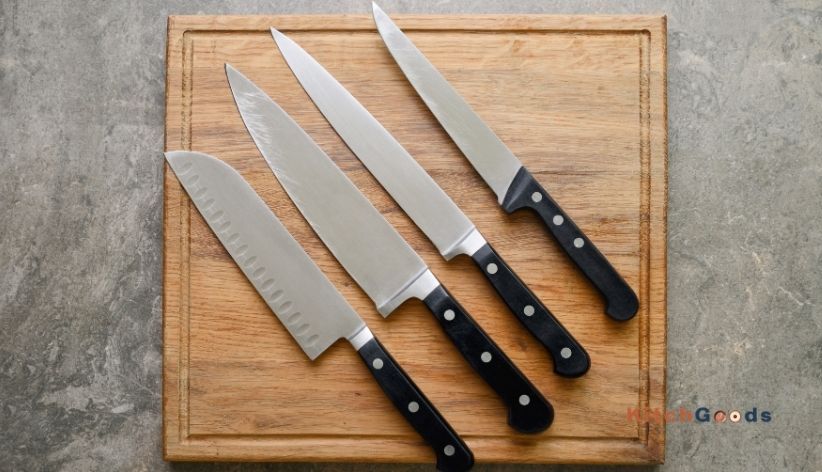
Different knives serve different purposes. A chef’s knife is good for chopping vegetables. A paring knife works best for peeling or small cuts. Using a large knife for tiny tasks can dull it faster. Pick the right knife for each job to maintain sharpness and improve safety.
Applying Excessive Force While Cutting
Applying too much force while cutting can wear out your kitchen knives faster. Many people think pressing hard will cut better. It does not. This habit dulls blades and makes cutting harder over time. Learning to cut with the right pressure keeps knives sharp longer. It also makes cooking safer and easier.
Effects On Blade Integrity
Pressing hard damages the knife’s edge. The blade can chip or bend under pressure. Tiny cracks form on the edge, which dull the knife quickly. Excess force causes the metal to weaken and lose sharpness. Sharp knives cut smoothly without much effort. Too much force breaks this balance and shortens the blade’s life.
Techniques For Efficient Cutting
Use a gentle rocking motion when cutting. Let the knife’s sharp edge do the work. Hold the handle firmly but don’t squeeze it tight. Use your other hand to guide the food steadily. Slice with a smooth, even motion instead of pushing hard. Cutting this way saves your knife’s edge and makes cooking more enjoyable.
Frequently Asked Questions
Why Do Kitchen Knives Become Dull Quickly?
Kitchen knives dull quickly due to improper use, poor storage, and lack of regular sharpening. Cutting on hard surfaces like glass or stone also damages blades. Frequent exposure to moisture causes rust, weakening the edge. Proper care and correct cutting techniques prolong knife sharpness effectively.
How Does Cutting Surface Affect Knife Sharpness?
Cutting on hard surfaces like ceramic, glass, or stone chips the knife edge. Soft surfaces like wood or plastic help preserve sharpness. Using the right cutting board material reduces blade wear and keeps knives sharper longer. Always avoid cutting directly on countertops.
What Is The Impact Of Improper Knife Storage?
Storing knives loosely in drawers causes blades to rub against other utensils. This dulls the edge and may cause nicks. Using knife blocks, magnetic strips, or blade guards protects the sharpness. Proper storage extends the lifespan of kitchen knives significantly.
How Often Should You Sharpen Kitchen Knives?
Sharpen kitchen knives regularly, depending on use frequency. For regular cooking, sharpen every 1-2 months. Frequent use may require sharpening every few weeks. Regular honing between sharpenings maintains the edge and delays dullness. Proper maintenance keeps knives efficient and safe.
Conclusion
Dull knives make cooking harder and less safe. Avoid washing knives in the dishwasher. Always use the right cutting board material. Don’t store knives loosely in drawers. Sharpen knives regularly to keep edges sharp. Handle knives with care to prevent damage.
Following these tips helps your knives last longer and work better. Keep your kitchen tools ready for every meal. Small changes make a big difference in knife care.