Last Updated on October 4, 2026
Are you using your blender the right way? You might think it’s simple—just toss in your ingredients and press a button.
But many people make common mistakes that can ruin your smoothie, sauce, or soup. These errors not only affect the taste but can also damage your blender over time. Imagine avoiding those frustrating moments of spills, uneven blends, or even broken appliances.
Keep reading to discover the top 6 mistakes you’re probably making with your blender—and how to fix them easily. Your next blend could be smoother, tastier, and safer than ever before!
Choosing The Wrong Blender
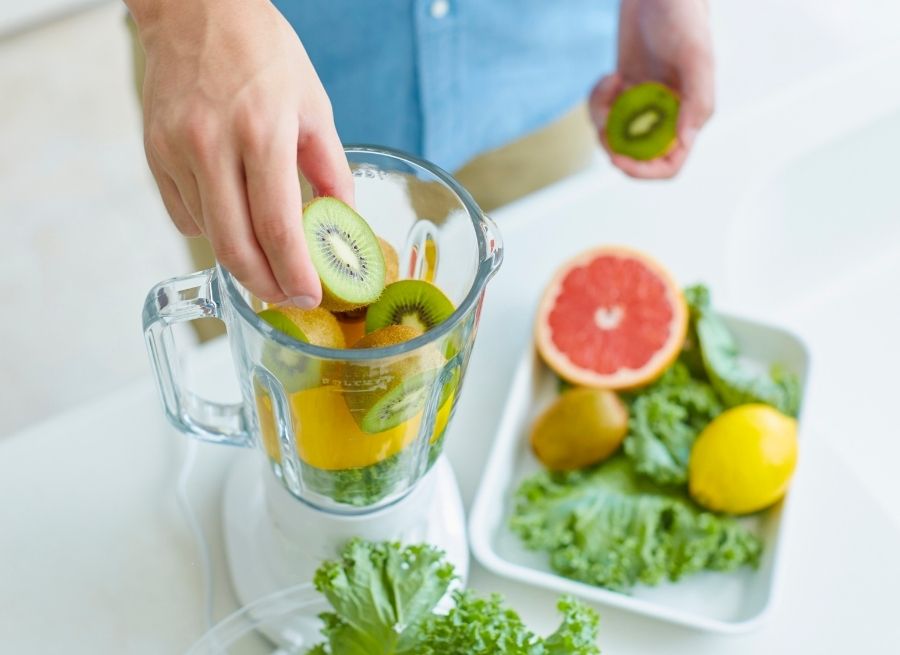
Choosing the wrong blender can lead to frustration and poor results. Many people pick a blender without thinking about their actual needs. This mistake wastes money and time. A good blender should match what you want to make and how often you use it. Knowing what to look for helps you avoid common issues.
Not Matching Blender To Needs
Blenders come in many types for different tasks. Some are better for smoothies, others for soups or crushing ice. Buying a blender without knowing your main use can cause problems. A small blender might not handle tough ingredients. A large one might be too bulky for small jobs. Think about what you blend most before choosing.
Ignoring Power And Capacity
Power affects how well a blender works. Low power blenders struggle with hard foods. High power blenders can crush ice and blend nuts smoothly. Capacity also matters. A small jar might not fit family-sized recipes. A large jar might be hard to clean or store. Check power and size to fit your cooking style.
Overlooking Material Quality
Material quality impacts durability and safety. Cheap plastic jars can scratch or crack easily. Glass jars are sturdy but heavier. Stainless steel parts last longer and resist stains. The blade should be strong and sharp. Poor materials lead to quick breakdowns. Choose blenders made from good materials to ensure long life.
Read More – How to Clean an Air Fryer Properly After Cooking
Overfilling The Blender Jar
Overfilling the blender jar is a common mistake that many people make. It may seem harmless, but it causes many problems during blending. Knowing the right amount to put in the jar can save you time and prevent messes.
Consequences Of Overfilling
Overfilled jars can cause spills and splashes. The blender may struggle to mix ingredients properly. This can damage the motor or blades. It also makes cleaning harder and wastes food. Overfilling often leads to uneven blending results.
Recommended Fill Levels
Most blender jars have a max fill line. Always stay below this limit for best results. For thick mixtures, fill only halfway. For liquids, fill up to three-quarters full. Leaving space allows ingredients to move freely. This helps the blender work smoothly and safely.
Read More – Best Kitchen Appliances for Small Kitchens And Apartments
Using Incorrect Speeds And Settings
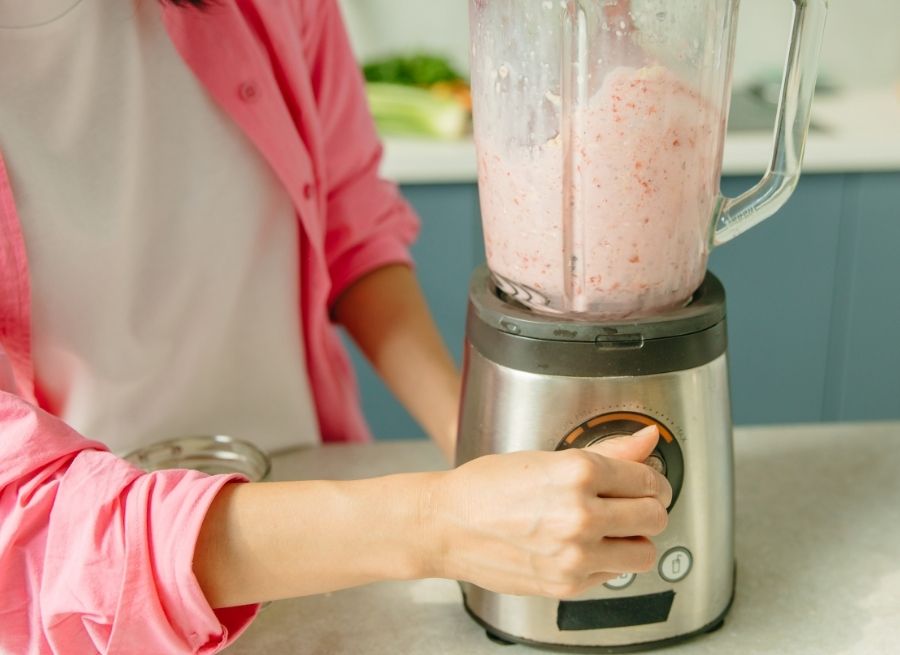
Using the wrong speed or setting on a blender can spoil your food and waste time. Each speed has a purpose. Picking the right one helps you get smooth blends or chunky textures. It also protects your blender from damage. Knowing how and when to use different speeds is key to better results.
When To Use Different Speeds
Low speed works well for soft ingredients. Use it to mix sauces or dressings gently. Medium speed is good for blending fruits and vegetables for smoothies. High speed breaks down hard items like ice or nuts quickly. Pulse mode gives short bursts of power. Use pulse to control texture or chop ingredients evenly.
Common Speed Mistakes
Starting at high speed can overwork your blender. It may cause overheating or uneven blending. Using high speed for soft foods often makes a mess. Many people use pulse mode too long, which can strain the motor. Another mistake is not adjusting speed for the recipe. This leads to bad texture or lumps. Avoid these errors to improve your blending experience.
Neglecting Proper Cleaning
Neglecting proper cleaning is a common mistake with blenders. Many users rush through cleaning or skip it altogether. This can cause problems over time. Food residue can build up in hard-to-reach places. This affects the blender’s performance and can cause bad smells. Keeping your blender clean helps it last longer and work better.
Risks Of Poor Maintenance
Dirty blenders can grow bacteria and mold. This risks your health when you use the blender next. Food stuck in the blades or seals can cause damage. The motor may work harder, leading to breakdowns. Over time, poor cleaning can cause parts to wear out faster. The blender may lose power or stop working.
Tips For Effective Cleaning
Always clean the blender right after use. Rinse the jar with warm water and soap. Use a soft brush to clean around the blades. Never submerge the motor base in water. For deep cleaning, blend a mixture of water and soap. Rinse well and dry all parts before reassembling. Clean seals and gaskets regularly to prevent mold. Proper cleaning keeps your blender safe and working well.
Ignoring Ingredient Preparation
Many people do not prepare ingredients properly before blending. This mistake can cause uneven blending and damage to the blender. Proper preparation helps the blender work smoothly and gives better results. It also saves time and effort in cleaning.
Importance Of Chopping Ingredients
Chopping ingredients into small pieces makes blending easier. Large chunks put strain on the blades and motor. Small pieces blend faster and more evenly. This prevents lumps and thick spots in your mixture. It also reduces the chance of overheating the blender.
Avoiding Overly Hard Items
Hard ingredients like whole nuts or ice can harm the blender. These items need to be softened or broken down first. Soak nuts or chop ice into smaller bits. Blending very hard items can dull blades quickly. It also causes the motor to work too hard and may lead to breakdown.
Running The Blender Too Long
Running the blender too long is a common mistake. Many people think blending longer makes smoother results. That is not always true. Overblending can cause problems for your blender and the food inside.
Understanding the right blending time helps keep your blender working well. It also protects the motor and blades from damage. Let’s explore why running the blender too long is an issue and how to avoid it.
Impact On Motor And Blades
Blenders have motors designed for short bursts of power. Running the blender too long causes the motor to overheat. Overheating reduces the motor’s life and can cause it to fail.
Blades can also get dull faster from overuse. They may bend or break if the blender runs too long. This damages the blender and makes it less effective.
Overheating and blade damage increase repair costs. Sometimes, the blender stops working altogether. Avoid long blending sessions to keep your machine safe.
Best Practices For Blending Time
Use short pulses instead of continuous blending. Pulsing lets the motor cool between bursts. It also helps mix ingredients evenly.
Check the blender’s instructions for maximum run times. Most blenders recommend running for 30 seconds or less at a time. Let the blender rest before another round if needed.
Stop blending as soon as the texture looks right. Overblending can change taste and texture too. Follow these simple tips to protect your blender and make better food.
Read More – Can You Put Foil in an Air Fryer? What You Need to Know
Frequently Asked Questions
What Common Blender Mistakes Reduce Its Efficiency?
Common mistakes include overfilling, using improper blade settings, and not securing the lid. These cause spills and uneven blending. Avoiding these errors ensures smooth operation and efficient results.
How Does Overfilling A Blender Affect Its Performance?
Overfilling can cause leaks and uneven blending. It may strain the motor and reduce lifespan. Always follow the blender’s maximum fill line for best results.
Why Is Not Securing The Blender Lid A Problem?
An unsecured lid can cause spills and messes during blending. It also poses safety risks. Always ensure the lid is tightly sealed before starting.
Can Blending Hard Ingredients Damage The Blender?
Blending very hard items without proper preparation can dull blades or overload the motor. Cut tough ingredients into smaller pieces and use pulse settings to protect your blender.
Conclusion
Avoiding common blender mistakes saves time and effort. Use the right speed for each task. Don’t overfill the jar to prevent spills. Always secure the lid before blending. Clean your blender soon after use to keep it fresh. Follow these simple tips to enjoy smooth blending every time.
Your kitchen routine will feel easier and more fun. Keep practicing, and blending will become second nature.